

أنت معجب بالألعاب الخشبية الأوروبية الجميلة ولكنك لا تستطيع معرفة كيفية بيعها بسعر معقول. تبدو فكرة الإنتاج المحلي اليدوي مستحيلة بالنسبة للعلامات التجارية ذات السوق الكبيرة. تكمن الإجابة في استراتيجية التصنيع العالمية التي رأيتها بنفسي.
السر وراء العديد من العلامات التجارية الأوروبية الشهيرة للألعاب الخشبية ليس هو الحرفية المحلية للإنتاج الضخم. إنها ذكية سلسلة التوريد العالمية[^1]. تتم غالبية عمليات التصنيع بالجملة، بما في ذلك التشكيل والتشطيب، في مصانع متخصصة في الصين لإدارة التكاليف والتوسع بشكل فعال.

This might surprise you, but it's a reality I've navigated for years in the manufacturing world. I've helped countless clients build their businesses on this very model. It's a classic case of brand perception versus production reality, where the "Made In" story is more complex than a single label. Understanding this is key for any designer who wants to create a product that is not only beautiful but also commercially viable. Let's break down how this all works, starting with the brands and stores themselves.
All wooden toys sold in European stores are handmade in Europe.خطأ شنيع
While some niche and boutique toys are handmade in Europe, the vast majority of mass-market brands outsource production to countries like China to remain cost-competitive.
Many major European toy brands outsource their mass production to countries like China.حقيقي
Brands like Hape, Brio, and others leverage manufacturing in China for its scale, efficiency, and cost advantages, while keeping design and marketing in Europe.
What Defines a Top Wooden Toy Store in Europe?
You see countless toy stores, but it's hard to tell which ones are just retailers. You want to understand the business model behind the brand. This makes it difficult to analyze their production strategy. The best ones curate a specific identity, which dictates their entire manufacturing approach.
A top European wooden toy store is the face of a brand, not just a shop. It is defined by a strong design philosophy[^2], high safety standards like EN 71, and a curated collection that tells a story, even if the products are made globally.
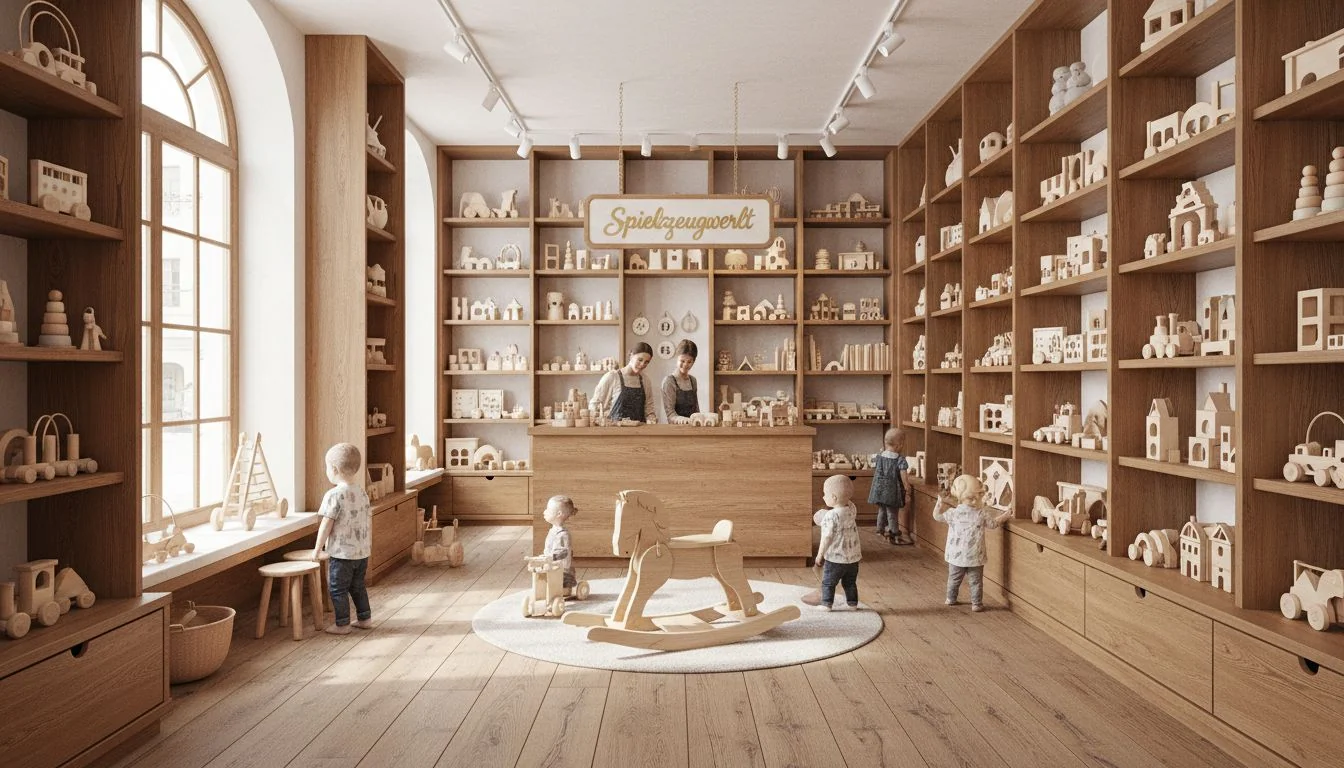
When you walk into a high-end toy store in Germany or France, you are experiencing the final step of a very long and complex journey. For a product designer like you, Jacky, the real work happens long before a toy ever reaches that shelf. The store is the front-end, but the back-end is all about manufacturing and logistics.
The Boutique vs. The Mass-Market Brand
ستجد نوعين رئيسيين من اللاعبين. أولاً، الحرفيون المحليون الصغار الذين يصنعون ألعابًا مصنوعة يدويًا حقًا. أعمالهم صغيرة الحجم وتكاليفهم مرتفعة. ثانيا، لديك العلامات التجارية الكبرى. تعمل هذه الشركات على مستوى مختلف تمامًا. تعرض واجهات متاجرهم ومتاجرهم عبر الإنترنت قصة التصميم والجودة الأوروبية، لكن نجاحهم مبني على نظام إنتاج عالمي. ويجب أن تستوفي معايير السلامة الأوروبية الصارمة، مثل EN 71، بغض النظر عن مكان وجود المصنع. هذا جزء غير قابل للتفاوض من مواصفات التصميم والتصنيع.
The Importance of Curation and Brand Story
العلامات التجارية الأكثر نجاحًا هي أساتذة التنظيم. إنهم لا يبيعون الكتل الخشبية فحسب؛ يبيعون فلسفة اللعب الإبداعي، الاستدامة[^3]، أو التعليم. تم تصميم قصة العلامة التجارية هذه في أوروبا. إنه يؤثر على التصميم والتعبئة والتسويق. ولكن لتقديم هذا المنتج بالسعر الذي يقبله السوق، يجب عليهم تحسين الإنتاج. هذا هو اللغز الذي قامت كل علامة تجارية ناجحة بحله.
يضمن موقع متجر الألعاب أن الألعاب مصنوعة في ذلك البلد.خطأ شنيع
يعكس موقع المتجر السوق المستهدف، وليس مصدر التصنيع. العلامات التجارية العالمية لديها متاجر في جميع أنحاء العالم ولكنها تركز الإنتاج في أماكن أخرى.
يعد المعيار الأوروبي لسلامة الألعاب EN 71 متطلبًا إلزاميًا للألعاب المباعة في الاتحاد الأوروبي، بغض النظر عن مكان تصنيعها.حقيقي
هذا مطلب قانوني. يجب اختبار أي لعبة مستوردة إلى الاتحاد الأوروبي واعتمادها لتتوافق مع معايير EN 71، مما يضمن أنها آمنة للأطفال.
Which Famous Brands Dominate the European Wooden Toy Market?
أنت تعرف الأسماء، لكنك لا تعرف قصص الأعمال التي تقف وراءها. وبدون معرفة نماذجهم التشغيلية، فإنك تفتقد الدروس الأساسية في توسيع نطاق خط الإنتاج. دعونا نلقي نظرة على بعض العلامات التجارية الشهيرة ونكتشف استراتيجيات التصنيع التي جعلت منها أسماء مألوفة.
العلامات التجارية مثل مرة أخرى[^4]، وBrio، وHABA هم عمالقة في سوق الألعاب الخشبية الأوروبية. على الرغم من أن لديهم جذور أوروبية قوية وفرق تصميم، إلا أن نجاحهم في توسيع نطاق الإنتاج يعتمد غالبًا على مرافق التصنيع واسعة النطاق، والتي تقع بشكل أساسي في الصين.

These brands are excellent case studies in global manufacturing. They prove that you can maintain a strong European brand identity while leveraging the power of international production. I've worked with clients who wanted to emulate this success, and the first step is always to understand how the leaders do it. Their "brand" is about design, ضبط الجودة[^5], and marketing, which happens in Europe. The physical "making" is a different story.
Case Study: Hape's Global-Local Model
Hape is a perfect example. It was founded in Germany in 1986. Many people assume its toys are made there. However, Hape’s founder recognized the potential of global manufacturing early on. Today, Hape owns and operates a massive, state-of-the-art factory in Ningbo, China. They control the entire process, from raw materials to final product, ensuring high quality while managing costs. Their design and brand management remain deeply rooted in Germany.
Case Study: Brio and HABA
Brio[^6]، علامة تجارية سويدية كلاسيكية تأسست عام 1884، وتشتهر بقطاراتها الخشبية. لعقود من الزمن، كان الإنتاج في السويد. ومع نمو الشركة وزيادة المنافسة في السوق، نقلت معظم تصنيعها للأخشاب والبلاستيك إلى الصين. لا يزال التصميم والابتكار ومعايير الجودة الصارمة تتم إدارتها من السويد. تستخدم HABA، وهي علامة تجارية ألمانية محبوبة أخرى، أيضًا مزيجًا من الإنتاج الألماني الداخلي لبعض العناصر والشركاء الخارجيين الموثوقين للآخرين لتلبية الطلب العالمي.
| ماركة | بلد المنشأ | موقع التصنيع الأساسي | الإستراتيجية الرئيسية |
|---|---|---|---|
| مرة أخرى | ألمانيا | الصين (تمتلك المصنع) | السيطرة الكاملة على سلسلة التوريد، التصميم الألماني. |
| Brio | السويد | الصين (الاستعانة بمصادر خارجية) | التصميم السويدي ومراقبة الجودة والإنتاج العالمي. |
| طويل[^7] | ألمانيا | ألمانيا & آسيا (مختلط) | "صنع في ألمانيا" لبعض الخطوط، شركاء عالميين للآخرين. |
Hape toys are exclusively manufactured in Germany.خطأ شنيع
Hape is a German-founded and managed brand, but its primary manufacturing facility is a large, company-owned factory in Ningbo, China.
Hape, a German-founded brand, owns and operates one of the world's largest wooden toy factories, located in Ningbo, China.حقيقي
This vertical integration allows Hape to maintain strict control over quality and production processes while benefiting from China's manufacturing ecosystem.
How Do These Brands Actually Run Their Business?
You see the final product, but the process of design, manufacturing, and logistics is a black box. This knowledge gap makes it hard to apply their strategies to your own projects. Their business model is a masterclass in separating design from production, a strategy I've helped many clients implement.
These brands operate a split model. Design, marketing, and strategy are based in Europe to maintain brand identity. However, high-volume manufacturing is outsourced to or owned in countries with lower production costs, like China, under strict quality control.

I call this the "brains and hands" approach. The "brains" of the operation—the creative design, the brand strategy, the marketing—stay in the home country. The "hands"—the large-scale, labor-intensive manufacturing—are located where it is most efficient. For a product designer, your work must be perfectly translatable to a manufacturing partner thousands of miles away. Clear specifications are everything.
The Split Responsibility Model
Here is how it typically works:
- تصميم & Prototyping (Europe): The product's soul is created here.
- Manufacturer Sourcing (Global): The brand finds a factory that can meet its quality, cost, and volume needs. This is a critical step.
- الأدوات & Mass Production (China): هذا هو المكان الذي يحدث فيه سحر الحجم. بالنسبة للألعاب الخشبية، يتضمن ذلك خطوط القطع الدقيقة والصنفرة والطلاء باستخدام الحاسب الآلي. إذا كانت هناك أجزاء بلاستيكية، فهذا يتضمن إنشاء قوالب حقن.
- مراقبة الجودة (في الموقع): لدى العلامة التجارية فريق خاص بها أو طرف ثالث في المصنع لفحص كل شيء.
- اللوجستية & التوزيع (العالمي): يتم شحن المنتجات إلى المستودعات في أوروبا لتوزيعها على المتاجر.
The Cost-Benefit Analysis
دعونا نلقي نظرة على مثال بسيط. فرق التكلفة مذهل.
| مكون التكلفة | تصنيع في أوروبا | تصنيع في الصين |
|---|---|---|
| العمالة (لكل وحدة) | 10 يورو | 2 يورو |
| المواد (لكل وحدة) | 5 يورو | 4 يورو |
| النفقات العامة للمصنع | عالي | قليل |
| إجمالي تكلفة الوحدة | ~20 يورو+ | ~ 7 يورو |
هذه تقديرات مبسطة، لكنها توضح السبب الاقتصادي الأساسي لهذا النموذج.
الاستعانة بمصادر خارجية للتصنيع يعني فقدان كامل للسيطرة على الجودة.خطأ شنيع
Successful brands prevent this by implementing rigorous quality control systems, including on-site inspectors, third-party audits, and extremely detailed product specifications.
Successful brands maintain quality control in outsourced factories through dedicated on-site teams, regular audits, and strict adherence to design specifications.حقيقي
This is a fundamental part of the business model. Brands invest heavily in quality assurance to protect their reputation and ensure product safety.
You know the big players, but market share[^8] might seem like a metric for CEOs, not designers. But without this context, you're designing in a vacuum, unaware of the scale required to succeed. Market share reveals the dominance of this global production model.
تقدر قيمة سوق الألعاب الخشبية الأوروبية بعدة مليارات من اليورو. العلامات التجارية الكبرى التي تستخدم التصنيع العالمي تمتلك حصة كبيرة. وهذا يدل على أن أفضل طريق للاستحواذ على سوق كبيرة ينطوي على الاستفادة من الإنتاج بكميات كبيرة وفعال من حيث التكلفة، وعادة ما يكون ذلك خارج أوروبا.

الحصة السوقية ليست مجرد رقم؛ إنه دليل على نموذج العمل الناجح. العلامات التجارية ذات الحصة الأكبر هي تلك التي أتقنت استراتيجية التصميم في أوروبا والتصنيع في آسيا. بالنسبة لمصمم مثلك، جاكي، فهذه رؤية مهمة. إذا قمت بتصميم لعبة جديدة، فمن المؤكد أن خطة العمل ستتضمن التصنيع في الخارج لتكون قادرة على المنافسة. يجب تحسين تصميماتك لتتوافق مع هذا الواقع منذ اليوم الأول.
Understanding the Numbers
The global toy market is worth over $100 billion, and Europe is a huge piece of that pie. Within this market, wooden toys are a growing niche, valued for their perceived sustainability and quality. However, the brands that dominate this niche are not small local artisans. They are large corporations with massive production capabilities. Their market share proves that consumers value the combination of European design and accessible pricing that this model provides.
I've seen clients with brilliant designs fail because they couldn't get the manufacturing cost right. They tried to produce locally at a small scale and were priced out of the market. I've also seen clients with a solid, but not revolutionary, design succeed because they embraced the global model from the start. They understood that to compete with Hape or Brio, they had to play the same game. Their market share grew because their products were well-designed, safe, and affordable—a trio made possible only by smart, global manufacturing.
The European toy market is one of the largest in the world, with Germany, the UK, and France being the top three markets.حقيقي
These three countries consistently represent the largest share of toy sales in Europe, making them key targets for any major toy brand.
Niche, locally-made wooden toy brands hold the largest share of the European market.خطأ شنيع
While locally-made brands are valued, their production capacity and price points are not competitive for the mass market. Large, globally-produced brands hold the dominant market share.
خاتمة
The success of European wooden toy brands is not just about charming design. It's about smart, global manufacturing. For designers, understanding this production reality is crucial for creating viable, successful products.
مراجع
[^1]: Explore how a global supply chain impacts the pricing and availability of wooden toys.
[^2]: استكشف أهمية فلسفة التصميم في تشكيل العلامات التجارية الناجحة للألعاب.
[^3]: اكتشف كيفية دمج الاستدامة في إنتاج الألعاب الخشبية.
[^4]: اكتشف كيف يوازن Hape بين التصميم والإنتاج للحفاظ على الجودة والقدرة على تحمل التكاليف.
[^5]: تعرف على أفضل الممارسات للحفاظ على الجودة في التصنيع الخارجي.
[^6]: فهم أسلوب Brio في التصنيع وكيفية تأثيره على جودة منتجاتهم.
[^7]: اكتشف كيف تجمع HABA بين الإنتاج المحلي والعالمي لتلبية الطلب.
[^8]: التحقيق في ديناميكيات السوق وحصة الألعاب الخشبية في السوق الأوروبية.
