
You want to create a unique line of wooden toys, but sourcing from overseas feels risky. I will show you how to navigate the process and find a great partner.
Successfully sourcing custom wood toys from China involves finding a reliable manufacturer[^1] like Woddlontoy, understanding bulk purchasing, leveraging private labeling, and mastering the procurement process. This guide breaks down each step to help you turn your unique toy designs into a profitable reality with confidence.
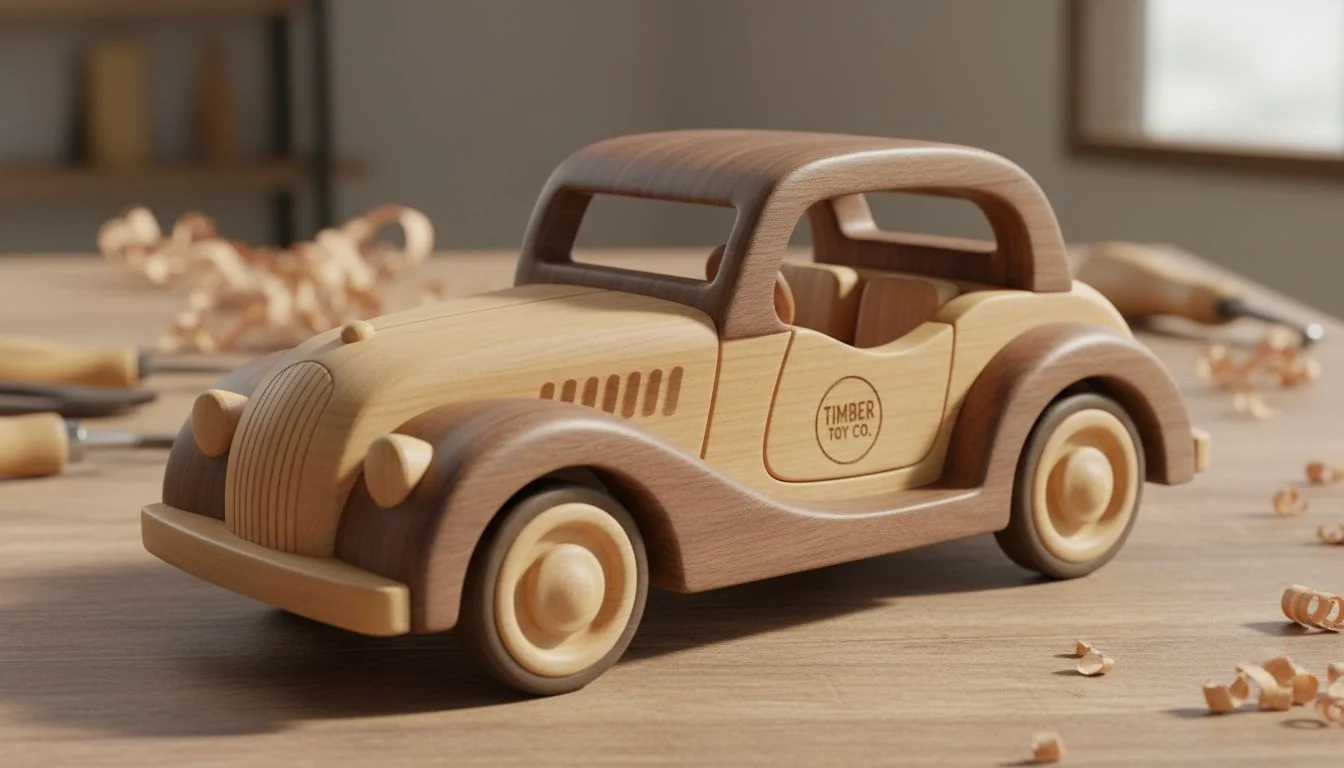
Ikaw adunay usa ka talagsaon nga ideya alang sa usa ka kahoy nga dulaan. Apan ang paghimo sa kana nga ideya nga usa ka pisikal nga produkto sa imong bodega mahimo’g ingon usa ka dako nga paglukso. Kabalo ko sa feeling. Sa una nakong pagsugod sa akong kompanya sa pamatigayon, ang paghunahuna sa pagpadala ug daghang kantidad sa salapi sa gawas sa nasud makapakurat. Nabalaka ko bahin sa kalidad, komunikasyon, ug kung makuha ba nako ang akong gibayran.
Over the years, I've learned the ins and outs of sourcing custom products, from complex industrial molds to consumer goods. The principles are the same. It's all about reducing risk and building strong partnerships. I've helped many clients grow their businesses this way, and I want to share what I've learned with you. Let me walk you through the key strategies for buying in bulk, using private labels, and making secure purchases in China.
All Chinese manufacturers offer the same low quality.Bakak
This is a common stereotype. In reality, China has a vast range of manufacturers, from basic workshops to world-class factories. Leading companies like Woddlontoy invest heavily in quality control and modern equipment to produce premium products.
A detailed 'tech pack' or specification sheet is crucial when ordering custom products from China.Tinuod
This document is your blueprint. It should include designs, dimensions, materials, colors, and packaging requirements. A clear tech pack prevents misunderstandings and ensures the final product matches your vision.
How Can You Buy Custom Wooden Toys in Bulk Without Risking Your Investment?
Ordering in bulk is key to getting a good price, but it feels like a big gamble. You worry about being stuck with thousands of low-quality toys and a huge financial loss. I'll share my strategy for placing bulk orders safely.
To buy in bulk safely, start with a small sample order to verify quality. Then, negotiate a clear contract that specifies quality standards, inspection procedures, and payment terms[^2]. A phased payment schedule, like 30% upfront and 70% after inspection, protects your investment.
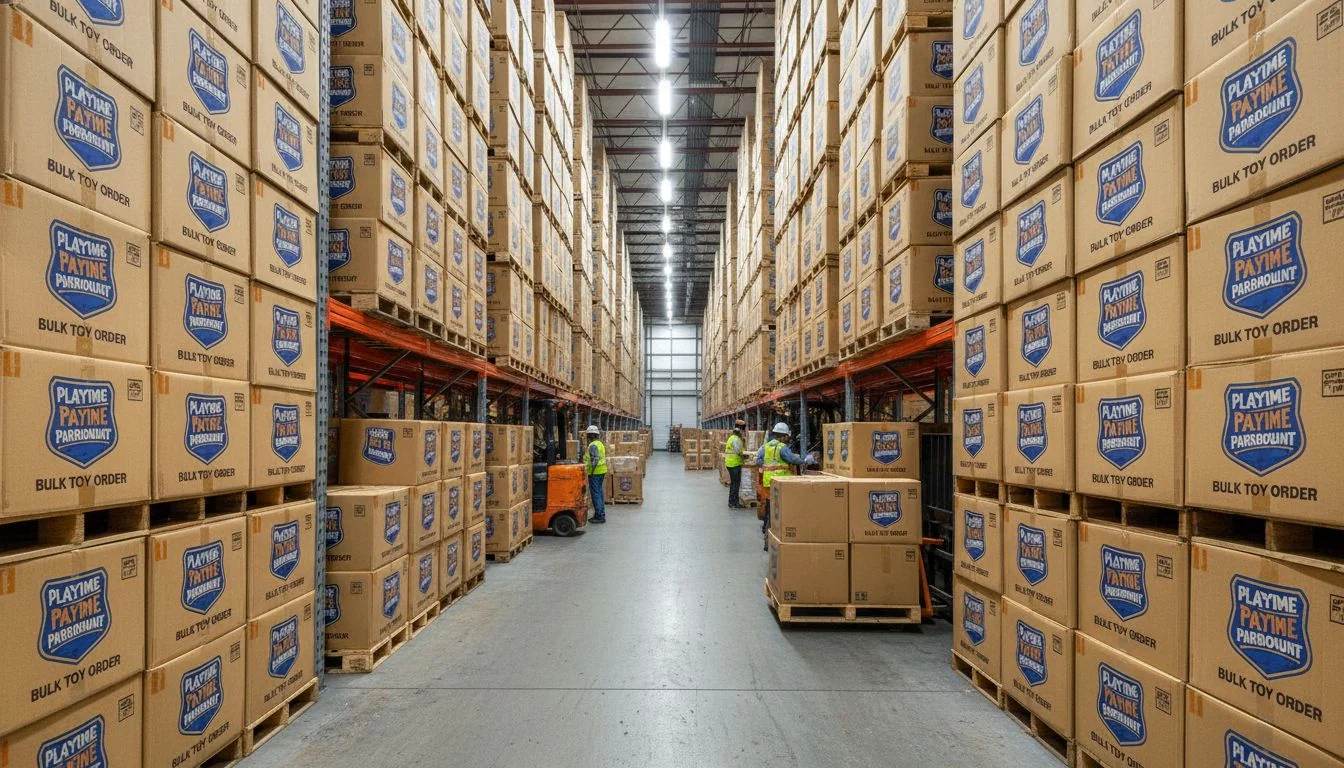
Buying in bulk is how you achieve economies of scale and make your product profitable. But you can't just jump in and order 10,000 units. You need a systematic approach to protect yourself. I learned this lesson early on. A client wanted to source a custom CNC part, and the price for a large quantity was very attractive. But I insisted we start with samples first. That simple step saved us from a disaster. The same logic applies perfectly to sourcing custom wooden toys.
Start with Samples
Never place a bulk order without first approving a production sample. This isn't just a prototype; it should be a final product made with the same materials and methods as your full production run. Check it for quality, safety, durability, and finish. I always recommend getting a few samples to see the consistency. This is your chance to catch any issues before you've committed a large amount of capital. A reliable manufacturer will have no problem providing samples.
Negotiate Your MOQ
MOQ stands for Minimum Order Quantity. Factories use this to ensure a production run is profitable for them. Sometimes, a manufacturer's MOQ might be higher than you're comfortable with for a first order. Don't be afraid to negotiate. I've often found that if you explain you're testing a new product and plan for larger future orders, many factories are flexible. They might agree to a lower MOQ for the first run to build a relationship.
Structure Your Payment Terms
This is one of the most critical steps. Never pay 100% upfront. The industry standard is a Telegraphic Transfer (T/T) with a split payment.
| Payment Structure | Risk Level for Buyer | When to Use |
|---|---|---|
| 30% Deposit, 70% After Inspection | Ubos | Kini ang sumbanan ug girekomenda nga pamaagi. Naghatag kini sa kapital sa pabrika nga magsugod ug naghatag kanimo kontrol sa wala pa ang katapusan nga pagpadala. |
| 50% Deposit, 50% Human sa Inspeksyon | Medium | Mahimong gikinahanglan sa pipila nga mga pabrika alang sa labi ka kostumbre o mahal nga mga order. Naghatag gihapon og maayong lebel sa seguridad. |
| 100% Upfront | Taas kaayo | Likayi kini. Kini nagbilin kanimo nga walay leverage kung adunay mga problema sa kalidad. Hunahunaa lamang ang gamay kaayo nga sample nga mga order. |
Kini nga istruktura nagsiguro nga ang pabrika adunay panit sa dula, ug ikaw adunay katapusan nga gisulti sa kalidad sa wala pa buhian ang tibuuk nga bayad.
Ang labing ubos nga presyo matag yunit mao ang kanunay nga labing kaayo nga deal alang sa daghang mga order.Bakak
A price that seems too good to be true often is. It can indicate poor materials, rushed production, or unethical practices. Focus on the total value, which includes quality, reliability, and the manufacturer's service.
Negotiating the Minimum Order Quantity (MOQ) is often possible with Chinese manufacturers.Tinuod
Many factories are willing to negotiate the MOQ, especially for new clients who show potential for long-term business. Building a good relationship and communicating your business plan can lead to a more flexible arrangement.
How Do You Use Private Labeling to Build Your Own Toy Brand?
You want to sell unique toys, but you don't own a factory. Selling generic, unbranded products means you are always competing on price, with no way to build customer loyalty. private labeling[^3] is the solution that lets you put your brand on high-quality, custom-made products.
Private labeling involves partnering with a manufacturer, like Woddlontoy, to produce toys based on your designs and brand them as your own. You provide the design, logo, and packaging specifications, and they handle the manufacturing. This is a powerful way to build a unique brand without owning a factory.
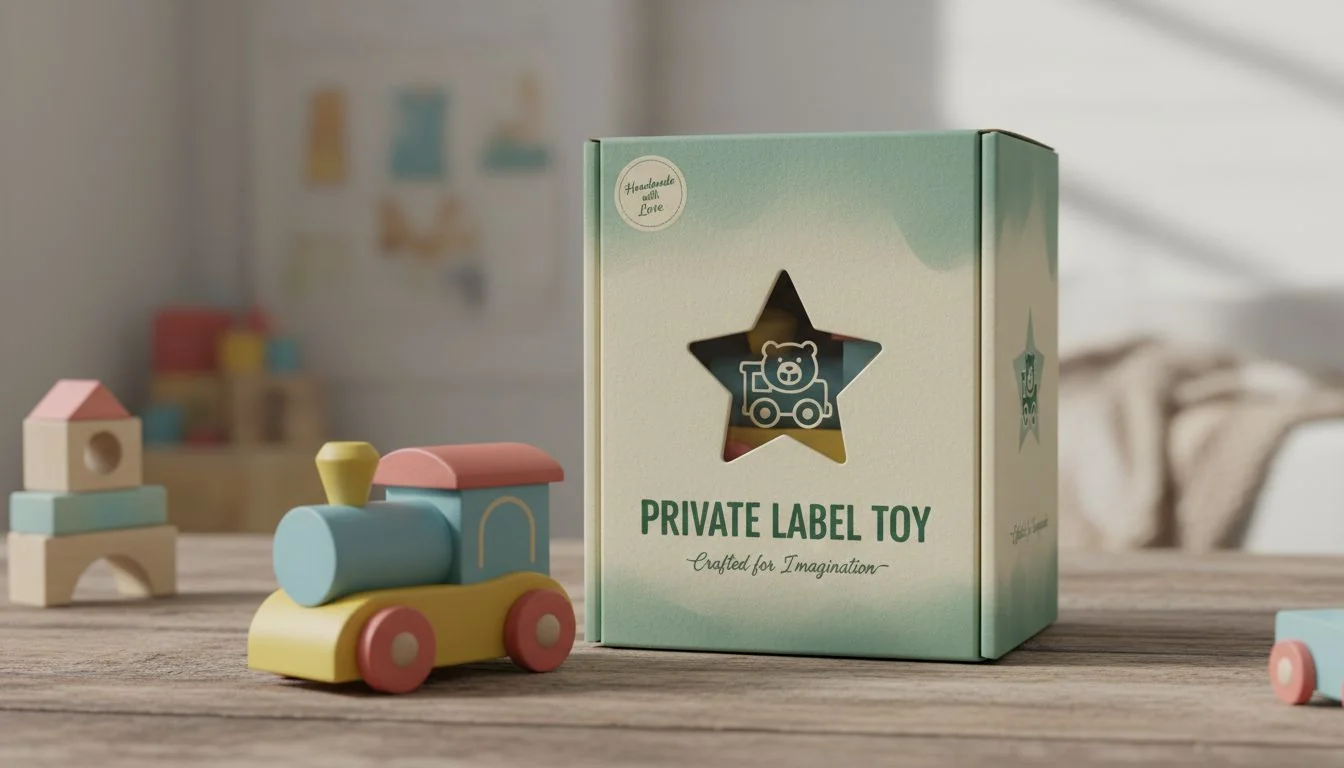
Private labeling is how you transform a manufactured good into your product. It's the bridge between your great idea and a real brand that customers recognize and trust. In my trading business, we helped countless clients private label their products. The ones who succeeded were those who understood that their brand was more than just a logo. It was about the entire customer experience, from the packaging to the product itself. This is especially true for toys, where parents are looking for brands they can trust.
What is Private Labeling?
At its core, private labeling (or white labeling) is simple. A factory produces a product, and you sell it under your brand name. With a good partner, it's much more than that. You can work with them to create a completely custom product based on your unique designs. This is where a manufacturer like Woddlontoy shines, as they specialize in custom wood works. You aren't just picking a toy from a catalog; you are bringing your own vision to life.
Designing Your Brand Identity
Your brand is your promise to the customer. Before you even talk to a manufacturer, you need to define your brand identity. This includes:
- Your Logo: The visual face of your brand.
- Your Packaging: This is critical. It protects the toy, but it's also your primary marketing tool on a retail shelf or online. It should communicate your brand's values, whether that's eco-friendliness, luxury, or educational fun.
- Your Unique Selling Proposition (USP): What makes your toy special? Is it the sustainable wood? The unique design? The educational aspect?
Protecting Your Intellectual Property (IP)
When you create a unique design, you need to protect it. Before you share your designs with any manufacturer, it's wise to have a Non-Disclosure Agreement (NDA) in place. For long-term brand protection, you should also look into registering your brand name as a trademark in the countries where you plan to sell. This prevents others from copying your brand. A reputable manufacturer will respect your IP and work with you to protect it.
| Private Labeling Step | Pangunang Aksyon | Nganong Importante Kini |
|---|---|---|
| 1. Brand Development | Create your logo, brand guidelines, and packaging design. | Establishes your unique identity in the market. |
| 2. Manufacturer Vetting | Find a factory that specializes in custom work and respects IP. | A good partner is essential for quality and security. |
| 3. Legal Protection | Gamit ug NDA. Ikonsiderar ang pagmarka sa imong brand name. | Gipanalipdan ang imong talagsaon nga mga disenyo ug brand gikan sa pagkopya. |
| 4. Pagmugna sa Tech Pack | Paghatag og detalyado nga mga file alang sa dulaan ug sa packaging. | Gisiguro nga ang pabrika makagama sa eksakto kung unsa ang imong gihunahuna. |
Ang pribado nga pag-label nagpasabot nga imong ihapak lang ang imong logo sa usa ka generic nga produkto gikan sa usa ka katalogo.Bakak
Bisan kung kini mahimo nga usa ka porma sa pribado nga pag-label, ang tinuud nga pagtukod sa brand naglakip sa paghimo og mga kostumbre nga produkto. Nakigtambayayong ka sa tiggama aron makahimo og mga butang base sa imong talagsaon nga mga disenyo, materyales, ug mga detalye, nga naghimo sa produkto nga eksklusibo sa imong brand.
Ang imong packaging sama ka importante sa produkto sa pribadong label.Tinuod
Packaging is the first physical interaction a customer has with your brand. It communicates quality, builds trust, and can be the deciding factor in a purchase. Great packaging elevates the entire product experience.
What's the Safest Way to Make a Purchase from a Manufacturer in China?
You've found a great manufacturer and approved the samples. But now you're nervous about sending a large payment overseas. Stories of scams and lost money can make anyone hesitate. I'll outline the secure payment and procurement process[^4] I've used for years to protect my investments.
The safest way to purchase from China is to use a formal Purchase Order (PO), a clear manufacturing agreement, and a secure, phased payment method like a Telegraphic Transfer (T/T) with a 30/70 split. Always conduct a pre-shipment inspection[^5] sa dili pa mohimo sa katapusang pagbayad.
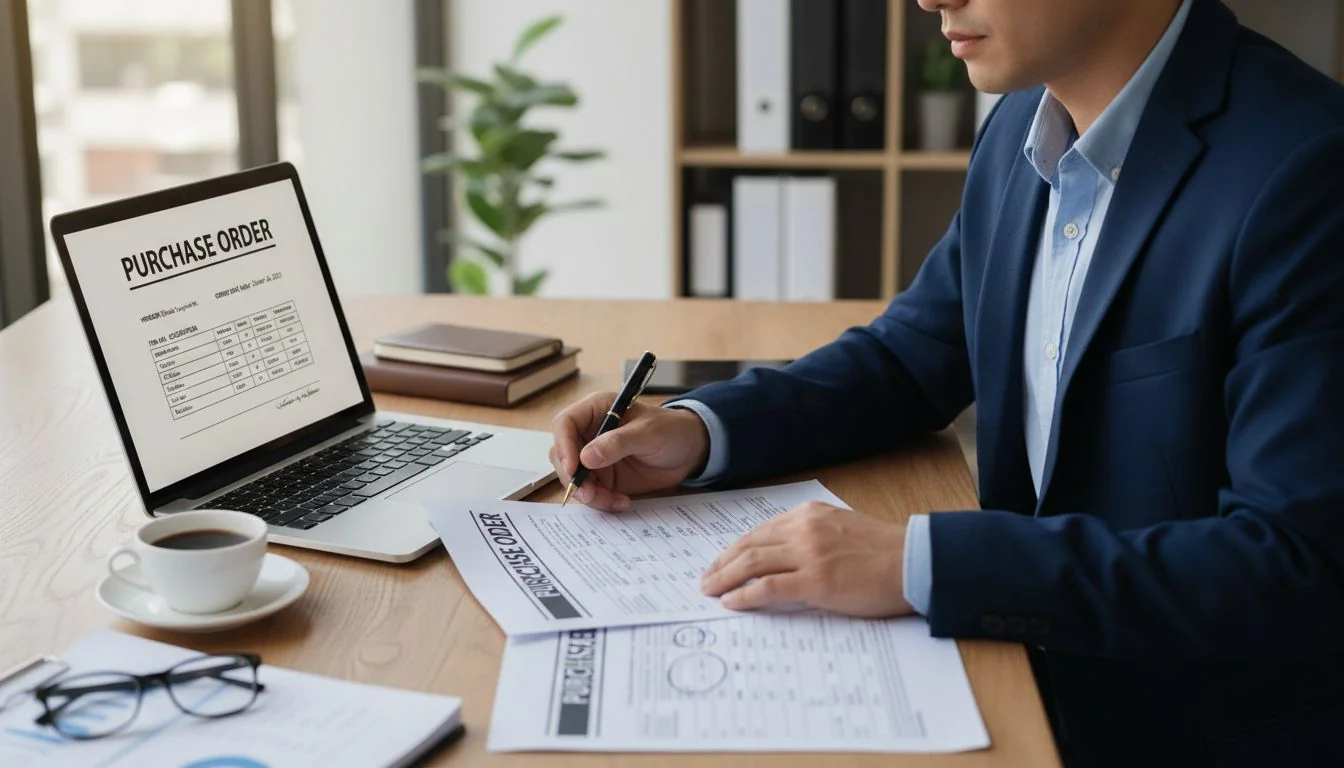
Ang paghimo sa una nga dako nga internasyonal nga pagbayad usa ka hinungdanon nga milestone. Nahinumdom ko pag-ayo. Literal nga nangurog ang akong mga kamot samtang gitugotan nako ang pagbalhin. Apan wala ako nagpadala sa kwarta sa kahaw-ang. Gisunod nako ang usa ka proseso nga gidisenyo aron maminusan ang peligro. Kini nga proseso gitukod sa tin-aw nga komunikasyon, legal nga dokumentasyon, ug pag-verify. Nagtrabaho kini alang sa multi-milyon nga dolyar nga mga order sa agup-op, ug kini magamit alang sa imong una nga order sa naandan nga mga dulaan nga kahoy. Kini mahitungod sa pagbaton ug mga checkpoint ug pagkontrol.
The Purchase Order (PO) is Your Contract
A Purchase Order is more than just an order form; it's a legally binding contract once the supplier accepts it. Your PO should be incredibly detailed. It must reference your final approved sample and your tech pack. It should clearly state the quantity, the price per unit, the total price, the shipping terms (like FOB or EXW), and the payment terms we discussed earlier. Don't leave anything to interpretation.
Choosing a Payment Method
While a T/T payment is standard, there are other options. Each has its pros and cons.
| Payment Method | Deskripsyon | Labing Maayo Alang |
|---|---|---|
| Telegraphic Transfer (T/T) | A direct bank-to-bank wire transfer. The 30/70 split is common. | Most common method for B2B transactions. Offers a balance of risk. |
| Alibaba Trade Assurance | An escrow service by Alibaba. Payment is held until you confirm delivery. | Good for smaller orders or when working with a new supplier found on Alibaba. |
| Letter of Credit (L/C) | A guarantee from a bank. It's very secure but also complex and expensive. | Very large orders (typically over $50,000). Not usually necessary for smaller businesses. |
For most businesses starting out, a T/T payment with a trusted supplier or using Alibaba Trade Assurance provides the right balance of security and simplicity.
The Importance of Pre-Shipment Inspection (PSI)
This is my non-negotiable rule. Never, ever release the final 70% payment until the goods have been inspected. You can hire a third-party inspection[^6] kompanya sa China sa pipila ka gatos ka dolyares. Moadto sila sa pabrika, random nga susihon ang usa ka bahin sa imong order, ug ipadala kanimo ang usa ka detalyado nga taho nga adunay mga litrato. Gipamatud-an nila ang gidaghanon, kalidad, packaging, ug pag-label batok sa imong PO. Kini nga taho naghatag kanimo ug pagsalig sa pag-aprobar sa kargamento ug paghimo sa katapusang pagbayad, o ang ebidensya nga ang pabrika mag-ayo sa bisan unsang mga isyu sa dili pa ang mga butang mobiya sa China.
Ang Alibaba Trade Assurance usa ka 100% nga walay kapuslanan nga garantiya batok sa tanan nga mga problema.Bakak
Ang Trade Assurance usa ka bililhon nga himan nga nagdugang usa ka layer sa seguridad, apan dili kini kapuli sa angay nga kakugi. Ang proseso sa panaglalis mahimong hinay, ug ang mga panalipod niini adunay mga limitasyon. Kinahanglan kini gamiton kauban sa klaro nga mga kontrata ug inspeksyon.
Ang pag-hire og third-party inspection company sa China usa ka cost-effective nga paagi aron masiguro ang kalidad sa produkto.Tinuod
Alang sa medyo gamay nga bayad (pananglitan, $200-$300), usa ka independente nga inspektor ang molihok ingon imong mga mata ug dunggan sa pabrika. Kining gamay nga pagpamuhunan makaluwas kanimo gikan sa pagdawat sa liboan ka dolyar nga kantidad sa mga depekto nga mga produkto.
Kataposan
Ang pagkuha sa naandan nga mga dulaan nga kahoy gikan sa China mahimo’g makab-ot. Pinaagi sa pag-focus sa intelihente nga kadaghanan nga pagpalit, epektibo nga pribado nga pag-label, ug luwas nga mga pamaagi sa pagpalit, mahimo ka magtukod usa ka malampuson nga tatak ug molambo ang imong negosyo.
Mga Pakisayran
[^1]: Ang pagsabut kung giunsa ang pag-ila sa usa ka kasaligan nga tiggama hinungdanon alang sa pagsiguro sa kalidad sa produkto ug kalampusan sa negosyo.
[^2]: Ang pagkahibalo sa husto nga mga termino sa pagbayad makapanalipod sa imong puhunan ug makasiguro sa usa ka hapsay nga transaksyon.
[^3]: Exploring private labeling can reveal how to create a unique brand identity and enhance customer loyalty.
[^4]: A clear understanding of the procurement process is essential for successful sourcing and risk management.
[^5]: Pre-shipment inspections are vital for ensuring product quality and avoiding costly mistakes.
[^6]: Hiring a third-party inspector can provide peace of mind and ensure that you receive quality products.
