
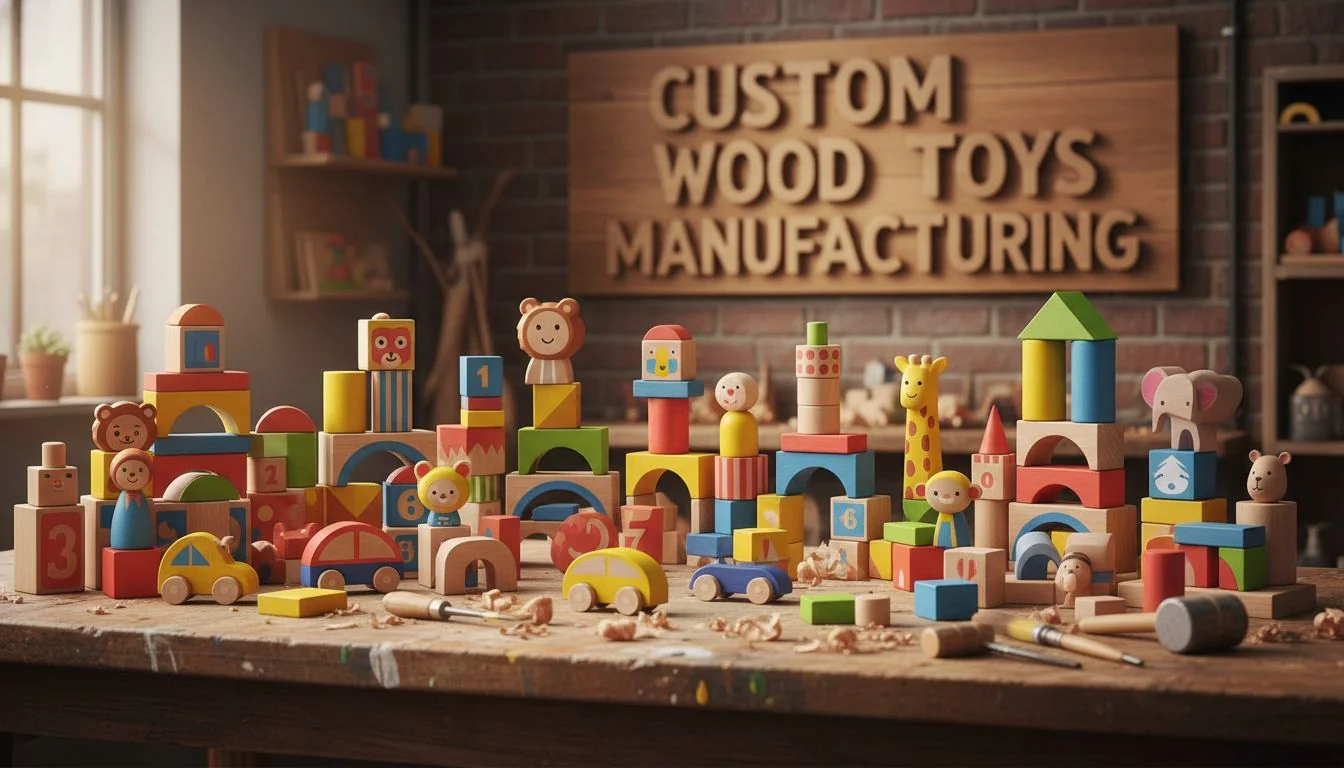
Sourcing ghjoculi persunalizati[^1] si sente cum'è un puzzle cù pezzi mancanti. Una mossa sbagliata pò costà tempu è soldi. Vi daraghju a stampa cumpleta per ottene u dirittu.
A chjave hè un prucessu passu à passu. Duvete truvà a fabbrica affidabile[^2], furnisce disinni precisi, capiscenu i certificati di sicurezza, appruvà i campioni è cuntrullà a qualità. Questa guida spiega ogni passu per voi.
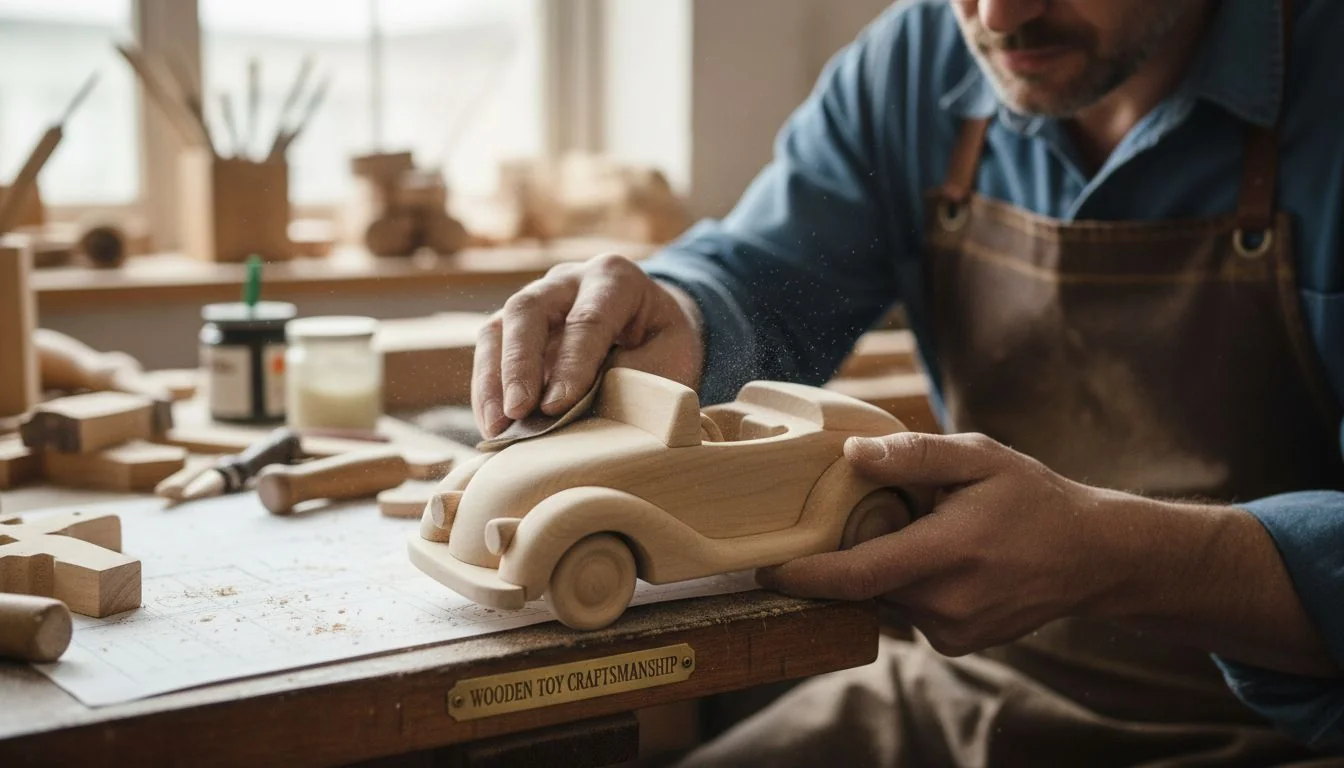
Aghju passatu a mo vita in a fabricazione. Aghju cuminciatu à u pianu di a fabbrica, apprendu nantu à i muffa è a precisione. Ddu viaghju m'hà amparatu chì, s'ellu fate una parte plastica cumplessa o un ghjoculu simplice di legnu, e regule di qualità è di cumunicazione sò listessi. Parechje di i mo clienti anu cresciutu i so imprese per maestru di sti reguli, è vogliu sparte cun voi. Questa guida ùn hè micca solu teoria; hè basatu annantu à anni di sperienza chì aiutanu e persone cum'è voi à trasfurmà idee in prudutti di successu. Andemu à traversu u prucessu inseme, cusì pudete evità i trappule cumuni è maestru di u vostru prossimu prughjettu.
U standard di sicurezza ASTM F963 hè solu un suggerimentu per i ghjoculi venduti in i Stati Uniti.Falsu
ASTM F963 hè un standard di sicurezza obligatoriu per tutti i ghjoculi venduti in i Stati Uniti, infurzatu da a Cummissione di Sicurezza di i Produtti di Consumatore (CPSC).
U legnu di faggio hè spessu preferitu per i ghjoculi d'alta qualità per via di a so durabilità è di a so finitura liscia.True
U beech hè un legnu duru è forte cù un granu finu è drittu, chì u face resistente à a spula è ideale per creà ghjoculi durable è sicuri.
Cumu truvà un fabricatore di ghjoculi di legnu persunalizatu affidabile in Cina?
Truvà una fabbrica in linea si senti sbulicatu. A scelta di u cumpagnu sbagliatu pò purtà à ritardi, mala qualità è investimentu persu. Vi mustraraghju cumu truvà u dirittu.
Cumincià cù in linea piattaforme B2B[^3] cum'è Alibaba, ma ùn ferma micca quì. Duvete verificà a so licenza cummerciale, dumandà esempi di travagliu precedente, è verificate a so storia d'esportazione è e certificazioni.
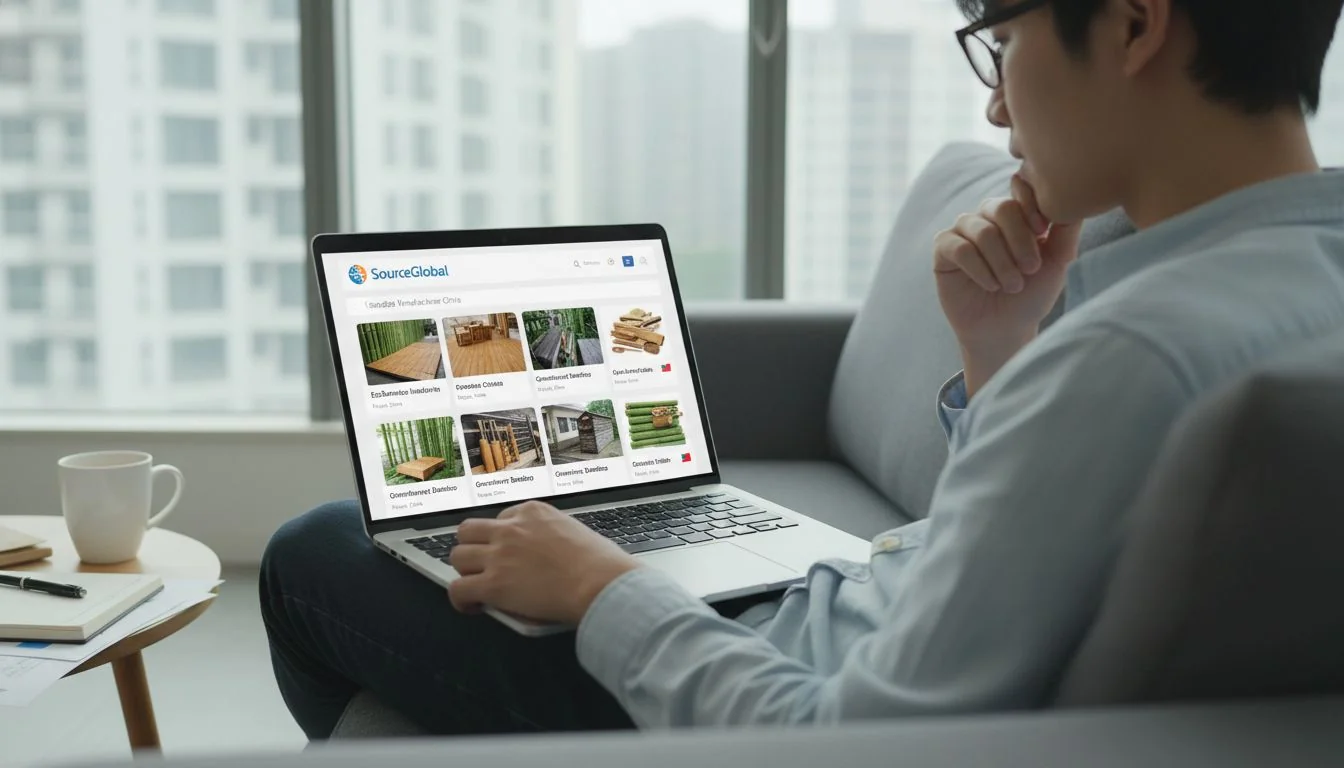
Truvà u cumpagnu ghjustu hè u primu passu più criticu. In i mo primi ghjorni di sourcing, aghju amparatu chì un situ web slick ùn significa micca sempre una grande fabbrica. Avete da scavà più profonda. Pensate à questu cum'è impiegà un impiegatu chjave. Avete bisognu di verificà e so referenze è qualificazioni. Dicu sempre à i mo clienti di creà una lista di fabbriche potenziali è poi inizià un prucessu di verificazione. Hè quì chì a vostra sperienza cum'è designer hè preziosa, postu chì pudete dumandà dumande tecniche chì revelanu e so capacità veri. Ùn esse timida di dumandà a prova. Una bona fabbrica serà fieru di mustrà e so credenziali è esempi di u so travagliu megliu.
Verificate u vostru Potenziale Partner
| Passu di verificazione | Cosa da fà | Perchè hè impurtante |
|---|---|---|
| Ricerca iniziale | Aduprate piattaforme cum'è Alibaba, Made-in-China, è Global Sources. | Fornisce una larga piscina di fornitori potenziali per cumincià. |
| Richiedi Documenti | Richiede a so Licenza cummerciale, u certificatu ISO 9001, è qualsiasi rapportu di auditu specificu per i ghjoculi (cum'è BSCI o Sedex). | Verifica chì sò una sucietà legittima impegnata à e norme di qualità è etiche. |
| Revisione Portfolio | Fate per esempiu di ghjoculi simili chì anu fattu. | Mostra a so sperienza cù u vostru tipu di produttu è u so livellu di artigianalità. |
| Test di cumunicazione | Prestate attenzione à u so tempu di risposta è a chiarezza. | Una bona cumunicazione hè essenziale per un prughjettu liscia, soprattuttu à traversu diversi fusi orari. |
A factory's 'Gold Supplier' status on Alibaba guarantees their product quality.Falsu
Gold Supplier status is a paid membership on Alibaba that verifies the company's legal existence. It does not guarantee product quality or business practices.
A BSCI (Business Social Compliance Initiative) report indicates a factory's commitment to ethical social standards.True
BSCI audits assess workplace conditions, fair wages, and worker rights, which is important for brand reputation and ethical sourcing.
What Kind of Sketches Do You Need to Provide for Custom Wood Toys?
A great idea in your head is not enough. If your designs are vague, the factory will make wrong assumptions, leading to incorrect and useless samples.
You must provide a detailed pacchettu tecnicu[^4]. This includes 2D drawings with all dimensions, 3D CAD files (like .STEP or .IGES), and specifications for materials, paint colors (using Pantone codes), and finishes.
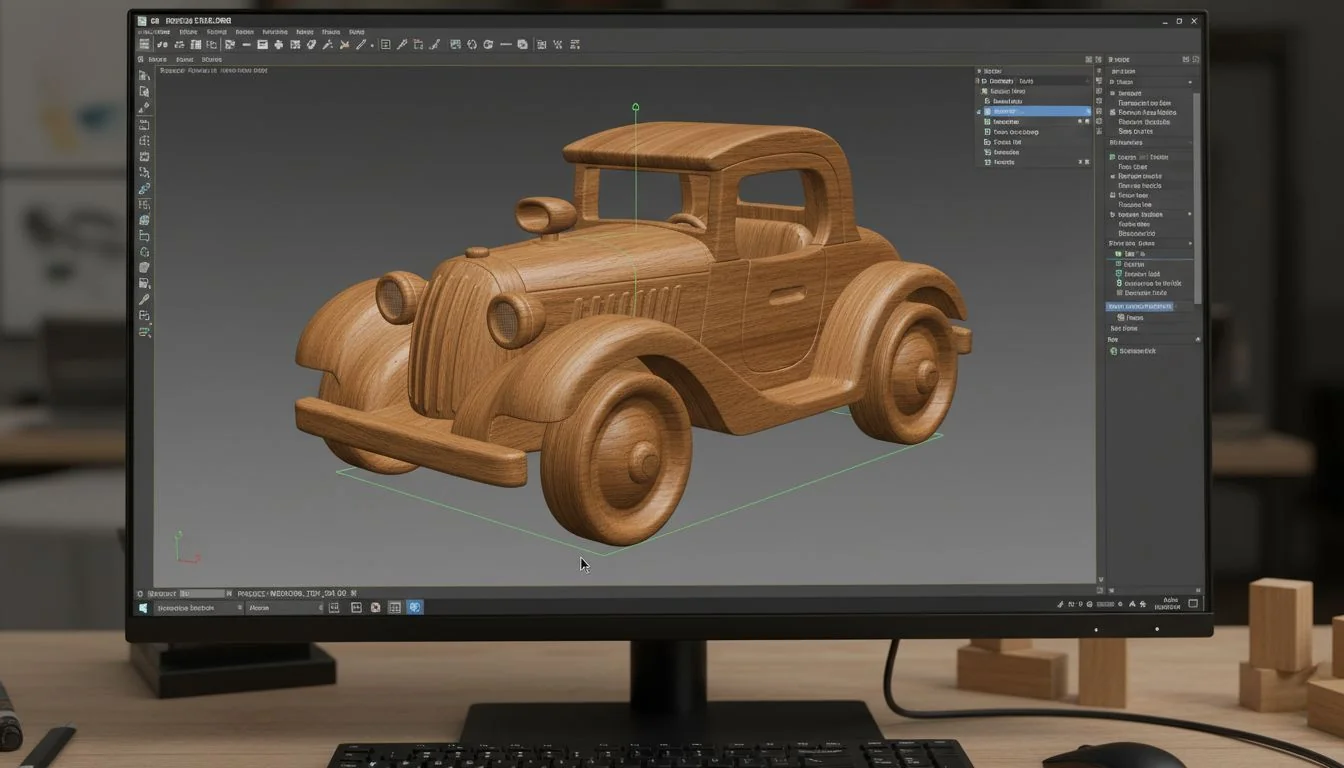
As a designer, you know that precision starts with the blueprint. It's the same principle I live by with "Master Molding Right." In mold making, a hundredth of a millimeter can make or break a project. While wood is more forgiving, the principle holds: clear instructions lead to a quality product. I once had a client who sent a simple hand drawing for a wooden puzzle. The factory had to guess the thickness, the type of wood, and the exact shades of color. The sample was a disaster. We fixed it by creating a proper tech pack. It detailed everything, from the specific beech wood to the non-toxic paint's Pantone code. The second sample was perfect. Your detailed drawings are your primary communication tool with the factory.
Building Your Tech Pack
| Cumpunente | Descrizzione | Esempiu |
|---|---|---|
| Disegni 2D | Orthographic views (top, front, side) with precise measurements. | A PDF file showing the toy's height, width, and depth. |
| 3D CAD Model | A 3D file that the factory can use for CNC programming and visualization. | A .STEP or .IGES file. |
| Material Specification | The exact type of wood to be used. | "A-grade European Beech Wood, kiln-dried." |
| Finiture & Colors | Details on paint, varnish, and specific color codes. | "Non-toxic, water-based paint, Pantone 185 C Red." |
| Guida di l'Assemblea | If the toy has multiple parts, show how they fit together. | An exploded-view diagram. |
You can start production with just a simple hand-drawn sketch.Falsu
Professional factories require detailed technical drawings and CAD files to ensure accuracy in dimensions, materials, and assembly for mass production.
Pantone codes are used to ensure color consistency across different production batches.True
The Pantone Matching System (PMS) is a standardized color reproduction system that allows manufacturers to match colors precisely, regardless of who or where it is produced.
What Should You Pay Attention to During Bulk Production and What Certificates are Needed?
Getting a perfect sample is great, but the real challenge is making thousands of them. A single mistake in bulk production can ruin your entire inventory and budget.
You need to monitor the production timeline and, most importantly, secure the correct safety certificates[^5] for your target markets. These include ASTM F963 for the USA, EN71 for Europe, AS/NZS ISO 8124 for Australia, and ST 2016 for Japan.
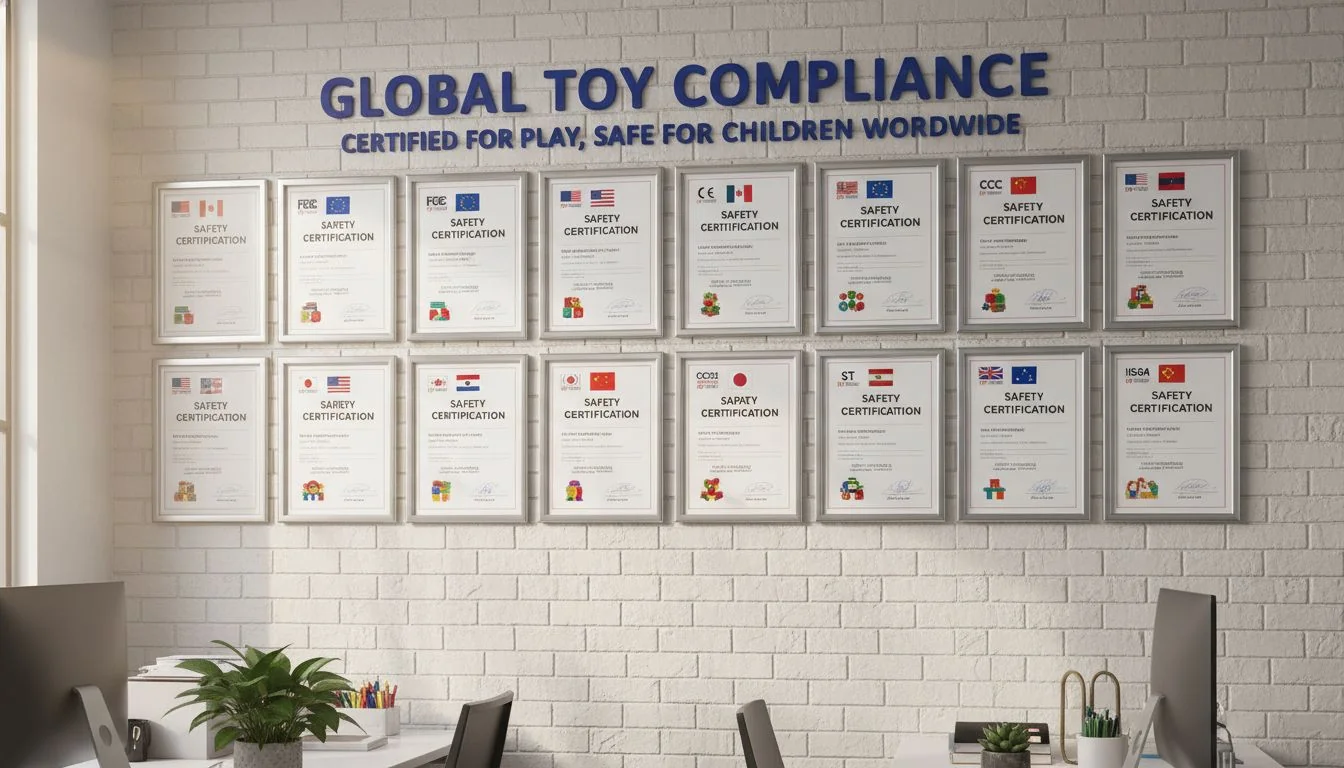
Safety is not negotiable, especially with toys. I've seen businesses face legal trouble and recalls because they overlooked certifications. These aren't just bureaucratic hurdles; they are legal requirements that protect children from harm. Before you even start production, you must tell your factory which countries you plan to sell in. A good factory, like our partners at Woddlon Toy, will already be familiar with these standards and have experience passing the tests. They can guide you on material choices and design features to ensure compliance. For example, small parts can be a choking hazard, and different regions have different rules for this. Getting this right from the start saves you from a potential disaster later.
| Regione | Key Certificate | What It Covers |
|---|---|---|
| USA | ASTM F963 | Mechanical hazards, flammability, lead and heavy metal content. |
| Europa | EN71 | Similar to ASTM, but with specific parts for different hazards (e.g., EN71-1 for mechanical, EN71-3 for chemical). Required for the CE mark. |
| Australia/New Zealand | AS/NZS ISO 8124 | Largely harmonized with international ISO standards, covering similar safety aspects. |
| Japan | ST 2016 | Japan's specific toy safety standard, focusing on physical, mechanical, and chemical properties. |
The CE mark on a toy means it was manufactured in Europe.Falsu
The CE mark signifies that the product conforms with the health, safety, and environmental protection standards for products sold within the European Economic Area (EEA). The toy can be made anywhere in the world.
EN71 is the mandatory safety standard for toys sold in the European Union.True
Compliance with the EN71 series of standards is a legal requirement to affix the CE mark and sell toys in the EU.
How Can You Guarantee the Quality of Your Custom Wood Toys?
Your brand's reputation depends on quality. Receiving a shipment of toys with splinters, sloppy paint, or incorrect dimensions is a nightmare that can destroy customer trust.
Implement a multi-stage inspection process. This includes checking raw materials, inspecting during production (DUPRO), and conducting a Final Random Inspection (FRI) before shipment. Using a third-party inspector is highly recommended.
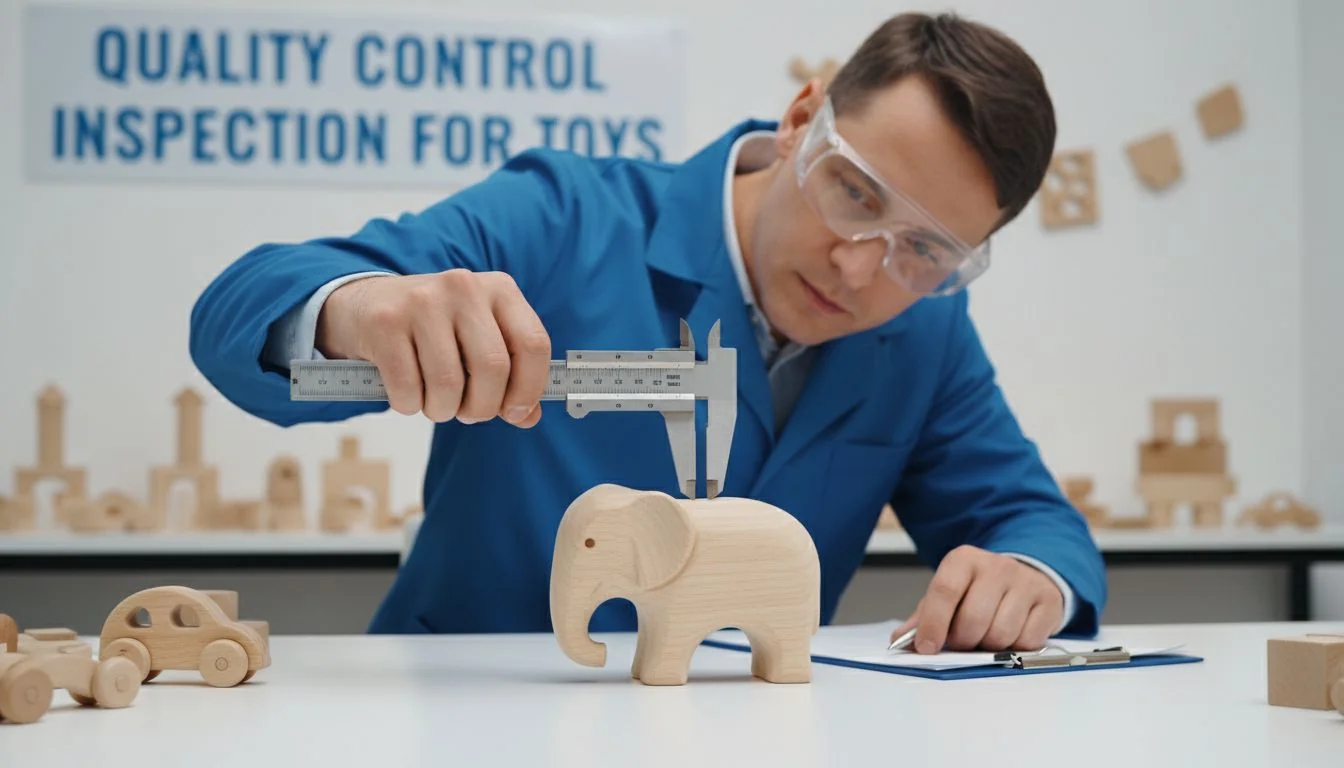
At Moldle, my slogan is "Master Molding Right." This philosophy of precision and zero defects is something I apply to all manufacturing. You can't just hope for good quality; you have to plan for it. A cuntrollu di qualità[^6] (QC) checklist is your rulebook for the factory. It should be incredibly detailed. What is the acceptable moisture content of the wood? How many millimeters of deviation are allowed? We perform drop tests and paint adhesion tests. This isn't about mistrusting the factory. It's about creating a clear, shared understanding of what "good" looks like. A professional factory will welcome this clarity. They want to produce a good product and avoid disputes just as much as you do.
A Simple QC Checklist Framework
| Puntu d'ispezione | Cosa à verificà | Tolerance Example |
|---|---|---|
| Materia prima | Wood type, grade, moisture content, absence of knots/cracks. | Moisture content between 8-12%. |
| Dimensioni | Use calipers to check critical dimensions against the 2D drawing. | +/- 0.5mm tolerance. |
| Pittura & Finisci | Color match to Pantone, paint adhesion (cross-hatch test), smoothness. | No chipping or peeling during adhesion test. |
| Physical Tests | Drop test, small parts check (choke hazard), sharp edge/point check. | Toy must not break or create a hazard after being dropped 3 times from 1 meter. |
| Imballaggio | Correct barcode, safety warnings, and shipping carton strength. | Barcode must be scannable with 99.9% accuracy. |
A Final Random Inspection (FRI) is enough to guarantee quality.Falsu
While FRI is crucial, issues found at this stage are expensive to fix. Inspections during production (DUPRO) can catch problems earlier and save money.
A good factory will have its own Internal Quality Control (IQC) team.True
Reputable manufacturers have their own QC processes to ensure quality throughout production, which complements any third-party inspections you may conduct.
Why is the Sampling Stage Crucial for Custom Wood Toys?
You might be tempted to skip samples to save time and money. This is a huge mistake. Approving production based only on pictures can lead to very expensive surprises later.
Sampling is your only chance to physically hold and test your product before mass production. It validates your design, materials, and colors, allowing you to make critical adjustments before it's too late.
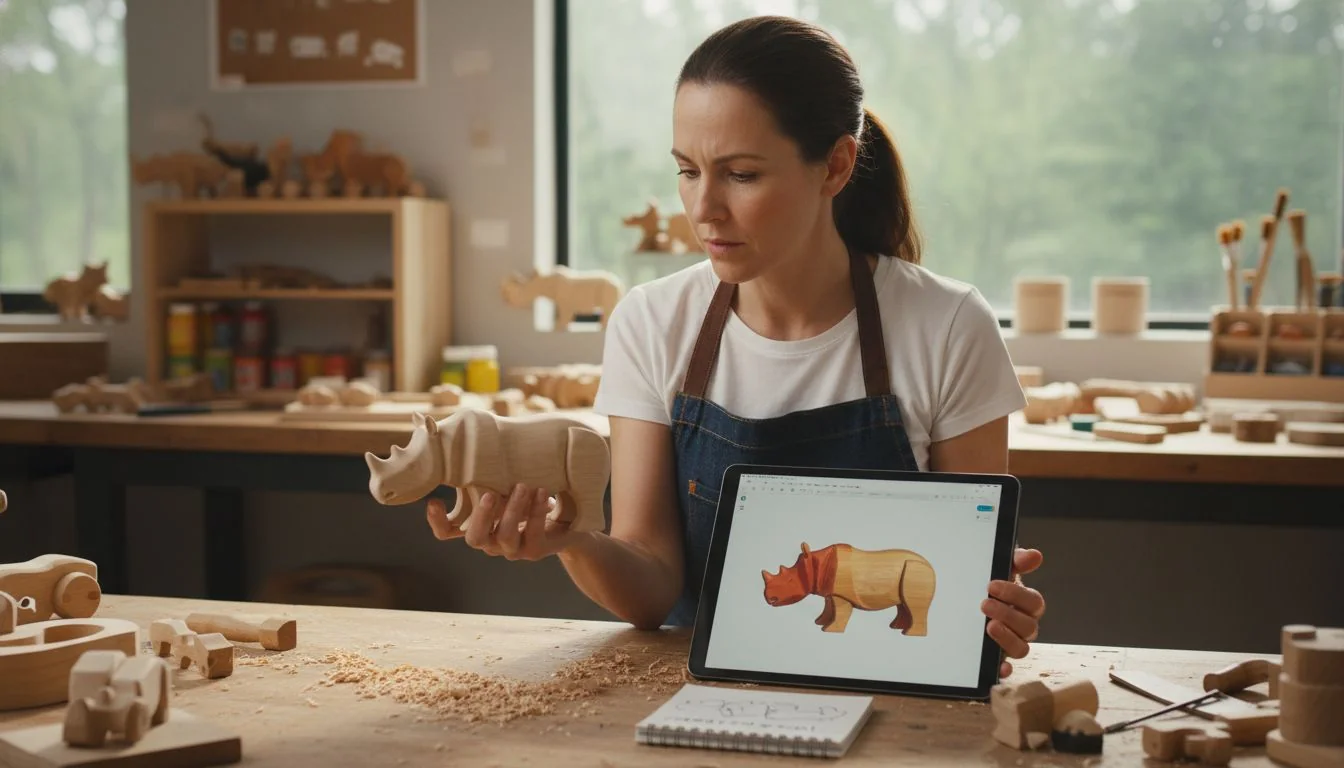
I always tell my clients: the sample is your contract. It is the physical representation of your agreement with the factory. Once you approve the pre-production sample (PPS), you are telling the factory, "Make thousands of them exactly like this." I remember a client who approved a sample of a wooden animal set based on photos. The photos looked great. But when the bulk order arrived, the toys felt too light and cheap. The factory had used a lower-density wood that wasn't specified. If the client had requested the physical sample, he would have caught this immediately. Spending a little extra time and money on shipping samples will save you thousands of dollars and a lot of stress. It is the best insurance policy you can buy in manufacturing.
The Stages of Sampling
| Tipu di mostra | Scopu | Cosa à verificà |
|---|---|---|
| Prototype/Mock-up | To check the basic form, size, and function. Often made from different materials. | Does the shape look right? Do the parts fit? |
| Campione di Pre-Produzione (PPS) | The "golden sample." Made with the final materials, colors, and methods. | Everything. This is your final check. Dimensions, color, finish, feel, function. |
| Pruduzzione Sample | A random sample pulled from the first mass production run. | Confirms that the bulk production matches the approved PPS. |
It's safe to approve a sample based on high-resolution photos and videos.Falsu
Photos cannot convey weight, texture, balance, or subtle defects. You must have the physical sample in your hands to properly evaluate it.
A Pre-Production Sample (PPS) is the final sample you approve before authorizing mass production.True
The PPS, or 'golden sample,' serves as the benchmark for quality that the entire production run must match.
How Important is Packaging for Your Custom Wood Toys?
Many people treat packaging as an afterthought. They focus 100% on the toy, then put it in a generic brown box. This hurts your brand and can lead to damaged products.
Packaging is extremely important. It protects your product during shipping, communicates your brand's story, provides legally required safety information, and is the first physical interaction a customer has with your product.
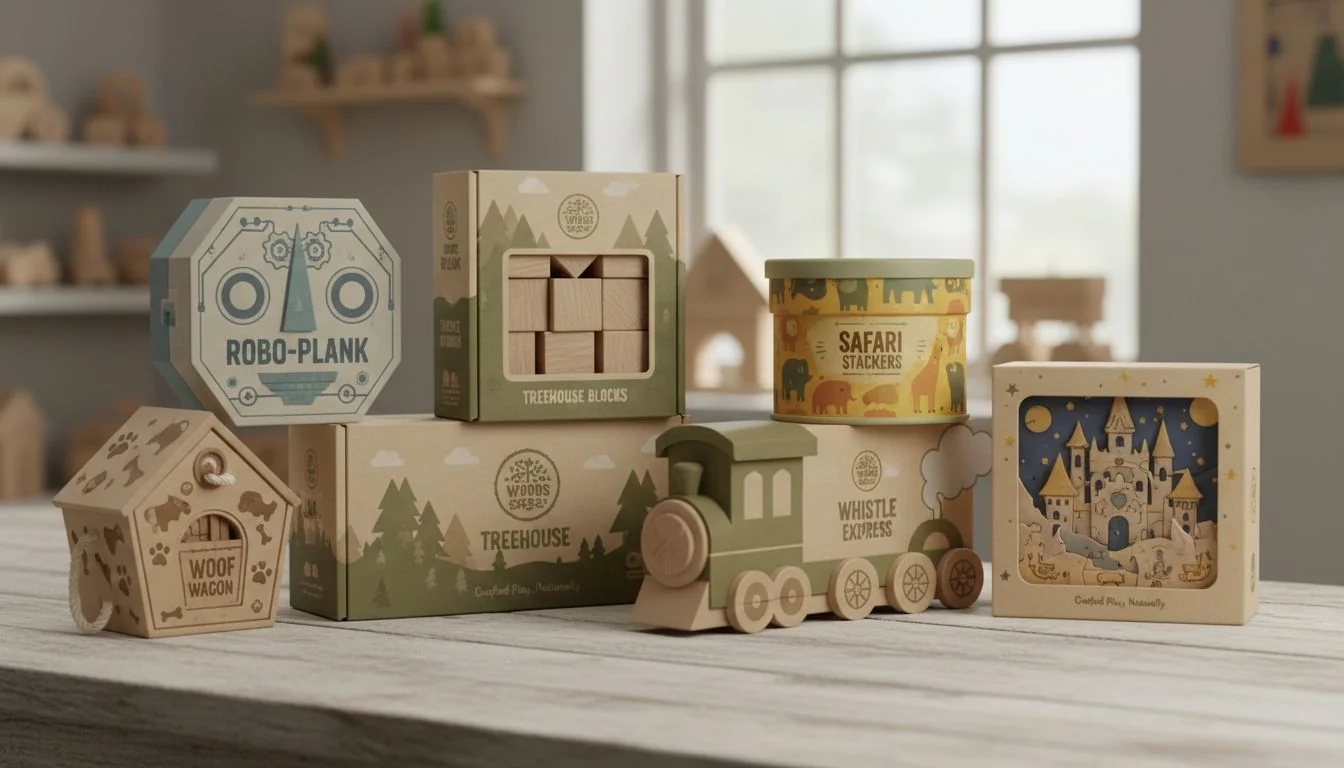
Think about the best products you've ever bought. The experience often starts with the box. Your packaging does three jobs. First, it's a suit of armor. Your toy will travel thousands of miles and be handled by many people. The box must be strong enough to protect it. We often perform drop tests on the packaged product, not just the toy itself. Second, it's your salesperson on the shelf. It needs to grab attention and tell customers why your toy is special. Third, it's your legal department. The packaging must display mandatory information like the CE mark, age warnings, and your company details. Investing in good packaging design[^7] is not an expense; it's an investment in product protection, branding, and compliance.
Key Elements of Toy Packaging
| Elementu | Function | Considerations |
|---|---|---|
| Structural Design | Prutezzione | Corrugated cardboard thickness, internal inserts, air gaps. Should pass a shipping drop test. |
| Graphic Design | Branding & Marketing | Your logo, product photos, brand story. Should appeal to the target customer (the parent and the child). |
| Compliance Information | Legal & Sicurezza | CE/UKCA mark, age grading (e.g., 3+), choking hazard warnings, manufacturer's address. |
| User Experience | Unboxing | Easy to open, frustration-free. The "unboxing" is part of the product experience. |
All cardboard is the same for shipping boxes.Falsu
Cardboard comes in different strengths, defined by factors like flute size and wall construction (single, double, triple wall). The right strength depends on the product's weight and fragility.
Displaying the manufacturer's address on the packaging is optional.Falsu
For many regions, including the EU and UK, the name and address of the manufacturer or importer must be displayed on the toy or its packaging.
Cunclusioni
From a clear sketch to final packaging, following these steps ensures your custom wood toy project is a success. Master your manufacturing, and you'll master your business.
Referenze
[^1]: Explore resources on sourcing custom toys to avoid costly mistakes and ensure quality.
[^2]: Learn how to identify trustworthy manufacturers to ensure your project runs smoothly.
[^3]: Discover top B2B platforms to connect with manufacturers and streamline your sourcing process.
[^4]: A detailed technical package is essential for clear communication with manufacturers.
[^5]: Understanding safety certificates is crucial for compliance and protecting your brand.
[^6]: Implementing quality control measures ensures your products meet safety and quality standards.
[^7]: Good packaging design enhances brand perception and protects your product during shipping.
