

At købe tilpassede bambusprodukter føles risikabelt. Kvalitetsproblemer og kommunikationsbarrierer kan afspore dit projekt. Jeg viser dig, hvordan du navigerer som en professionel og får det rigtigt.
Nøglen til vellykket engrosproduktion af bambusprodukter er en proces i flere trin. Det handler om at finde en pålidelig kinesisk producent[^1], giver klare designskitser, forstår bulkproduktionsnuancer, implementerer streng kvalitetskontrol og validerer gennem prøveudtagning. Denne vejledning nedbryder hvert trin for dig.
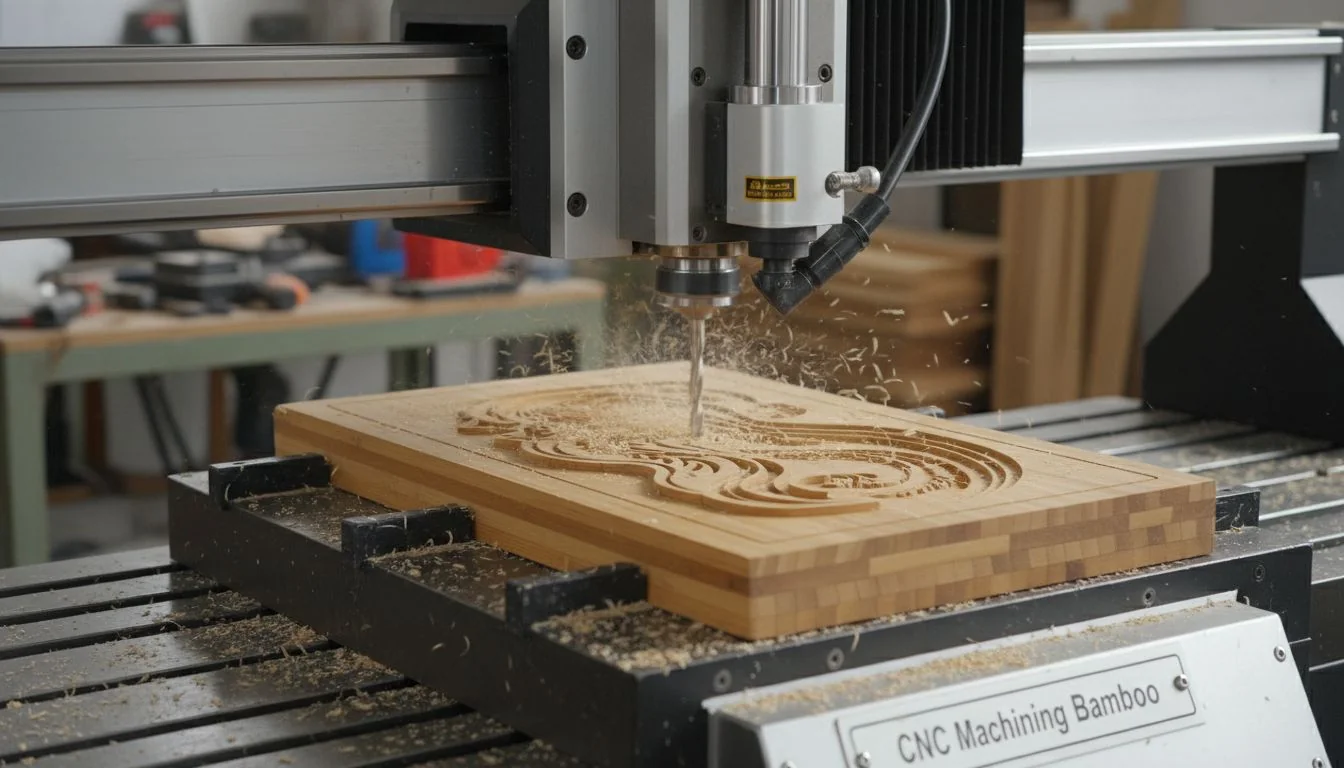
Jeg har brugt hele min karriere i form- og CNC-fremstillingsverdenen, hvor jeg har hjulpet designere ligesom dig med at føre deres ideer ud i livet. Principperne for at lave gode produkter er de samme, uanset om det er plastik eller bambus. Det hele handler om at have en solid proces. Lad os gå gennem den proces sammen, begyndende med det vigtigste trin: at finde den rigtige partner.
Bambus er teknisk set en træsort.falsk
Bambus er en slags græs, ikke træ. Denne sondring er vigtig, da den påvirker dens egenskaber, såsom dens hurtige væksthastighed og unikke kornstruktur, som påvirker fremstillingsprocesserne.
China produces over 80% of the world's bamboo products.ægte
China is the world's largest producer and exporter of bamboo, with a vast infrastructure and deep expertise in bamboo cultivation and processing, making it a primary hub for sourcing.
Hvordan finder du en pålidelig producent af bambusprodukter i Kina?
At søge efter en god producent online er overvældende. Du bekymrer dig om svindel, dårlig kvalitet og sprogbarrierer. Jeg vil give dig en klar køreplan for at finde en troværdig partner.
Start med online B2B-platforme som Alibaba, men stop ikke der. Dyrlæg dem ved at tjekke forretningslicenser, certificeringer (som FSC for bambus) og fabriksrevisionsrapporter. Spørg efter referencer og se efter specialister i bambusfremstilling, ikke kun almindelige handelsvirksomheder.

Dyk dybere: Undersøg din produktionspartner
Det er nemt at finde en leverandør; at finde den rigtige er svært. Jeg husker en kunde, der næsten mistede tusindvis med en leverandør, der så godt ud på papiret, men som bare var en handelsvirksomhed uden nogen egentlig fabrik. Vi måtte træde til og finde dem som en rigtig specialist. Vetting er ikke til forhandling. Du skal grave dybere end forsiden af deres hjemmeside. En ægte produktionspartner vil have den tekniske ekspertise til ikke kun at fremstille dit produkt, men også foreslå forbedringer. Hos Moldle giver vores erfarne teknikere og salgsingeniører denne form for vejledning, men du skal sikre dig, at din valgte fabrik har en lignende tankegang.
Nøgle trin til vurdering
| Trin | Handling | Hvorfor det er vigtigt |
|---|---|---|
| 1. Online søgning | Brug Alibaba, Made-in-China.com og branchekataloger. | Dette er dit udgangspunkt for at skabe en lang liste over potentielle leverandører. |
| 2. Indledende screening | Tjek deres virksomhedsprofil, år i virksomheden og produktfokus. | Lug almindelige handlende ud. Du vil have en bambus specialist for deres materiale viden. |
| 3. Anmod om dokumenter | Spørg efter deres virksomhedslicens, ISO 9001, og FSC certificering[^2]. | Dette bekræfter, at de er en legitim virksomhed og følger kvalitets- og bæredygtighedsstandarder. |
| 4. Kommunikationstest | Evaluer deres lydhørhed, engelskkundskaber og tekniske forståelse. | God kommunikation er nøglen til at undgå misforståelser under produktionen. De skal forstå dit design. |
All suppliers listed as 'Gold Supplier' på Alibaba er blevet fysisk revideret.falsk
A 'Gold Supplier' status is a paid membership. While Alibaba does offer verification services, you must specifically look for suppliers who are 'Verified' and check their audit reports, not just the 'Gold' badge.
FSC (Forest Stewardship Council) certificering er en nøgleindikator for en ansvarlig bambusleverandør.ægte
FSC-certificering sikrer, at bambus kommer fra ansvarligt forvaltede skove, hvilket er en kritisk faktor for mærker, der fokuserer på bæredygtighed og et vigtigt salgsargument for miljøbevidste forbrugere.
Kræver brugerdefinerede bambusprodukter virkelig detaljerede skitser fra kunden?
Du har en god idé til et tilpasset bambusprodukt. Men du er usikker på, hvilken detaljeringsgrad producenten har brug for. Vage instruktioner fører til dyre fejl og frustration.
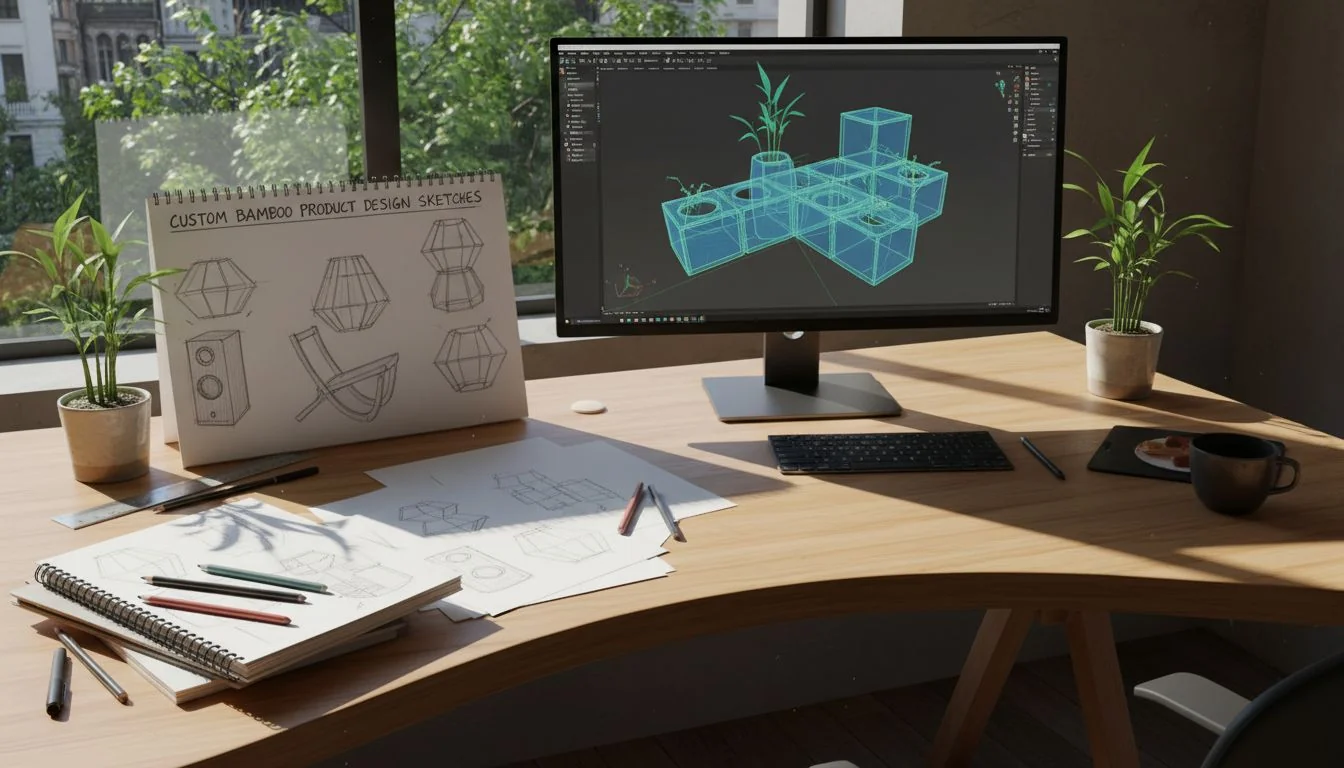
Yes, absolutely. To get exactly what you want, you must provide detailed 2D and 3D drawings. These sketches should include dimensions, tolerances, material specifications, surface finish requirements, and assembly instructions. This is your primary communication tool with the factory's engineer.
Dive Deeper: From Sketch to Reality
I've seen projects fail because of a single missing dimension on a drawing. As a designer, your CAD file is your contract with the factory. It must be perfect and leave no room for guessing. I always tell people to think of it as the blueprint for a house; you wouldn't let a builder start working from a rough napkin sketch, would you? The same applies here. The more detail you provide upfront, the smoother the process will be. A professional manufacturer will appreciate this level of detail because it makes their job easier and ensures they can deliver exactly what you're paying for. It shows you are a serious partner.
Essential Elements for Your Design Files
| Element | Description | Example |
|---|---|---|
| 3D Model | A file in a universal format like .STEP or .IGES. | Dette giver producenten mulighed for at se produktet fra alle vinkler og bruge det til CNC-programmering. |
| 2D tegninger | Detaljerede tegninger med alle vigtige oplysninger. | Inkluder dimensioner, geometrisk dimensionering og tolerance (GD&T), og billedforklaringer til specifikke funktioner. |
| Materiale Spec | Angiv typen af bambus (f.eks. Moso) og eventuelle behandlinger. | "Natural Moso Bamboo, carbonized finish." |
| Afslut Spec | Definer den ønskede overfladetekstur og belægning. | "Sanded smooth to 220 grit, finished with food-safe mineral oil." |
En simpel håndtegnet skitse er nok for en producent til at starte produktionen.falsk
Til specialfremstillet engrosproduktion kræves professionelle CAD-tegninger (2D og 3D) for at sikre præcision, konsistens og for at undgå fejlfortolkning. Håndskitser er kun til den indledende idéfase.
Levering af en .STEP-fil er en standardpraksis for deling af 3D-modeller med producenter.ægte
.STEP er et neutralt CAD-format, der kan åbnes af næsten enhver CAD-software, hvilket gør det ideelt til samarbejde mellem designere og producenter, der kan bruge forskellige systemer.
Hvad skal du være opmærksom på under bulkproduktion?
Din prøve var perfekt, så du godkendte bulkproduktion. Nu er du bekymret for, om kvaliteten vil være ensartet på tværs af tusindvis af enheder. Dette er en almindelig og gyldig frygt.
During bulk production, focus on consistency. Key areas are raw material consistency, machine calibration, and the "gylden prøve[^3]." Use the approved pre-production sample as the absolute benchmark for every unit that comes off the line. Regular communication is crucial.

Dyk dybere: Opretholdelse af kvalitet i skala
Scaling from one perfect sample to 10,000 units is the real test of a manufacturer. I always tell my clients to establish clear quality checkpoints throughout the process. Don't just wait until the end to inspect everything. Bamboo is a natural material, which means it has variations. A good factory knows how to manage this. They will have processes for sorting raw materials by color and grain to ensure the final products look uniform. You should ask them about these processes. This is where a true bamboo specialist shines compared to a general factory. They understand the material's unique challenges and have solutions ready.
Key Focus Areas for Bulk Production
| Area | Handling | Hvorfor det er vigtigt |
|---|---|---|
| Raw Material | Confirm the factory is using the same batch or supplier of bamboo as the sample. | Bamboo's color, grain, and density can vary, affecting the final product's look and feel. |
| Tooling & Jigs | Ensure that molds, cutting tools, and assembly jigs are maintained. | Worn-out tools can lead to dimensional inaccuracies and defects over a long production run. |
| First-Article Inspection | Inspect the first few pieces off the production line against the golden sample. | This catches any setup errors early before thousands of bad parts are made. |
| Production Monitoring | Ask for regular updates, photos, and even short videos from the factory floor. | This keeps you informed and shows the factory you are paying close attention to quality. |
Once a sample is approved, you don't need to monitor the bulk production process.falsk
Continuous monitoring is essential. Issues like tool wear, material variation, or operator error can arise during bulk production that were not present during sampling.
A 'golden sample' is the pre-production sample approved by the client, used as the quality standard for mass production.ægte
This physical sample serves as the ultimate, non-negotiable reference for quality control inspectors to compare against the units being produced. It is more reliable than photos or drawings.
How Can You Truly Guarantee Quality for Your Bamboo Products?
You can't be at the factory 24/7. So how do you ensure every product meets your standards? Relying on the factory's internal QC alone is a huge and costly risk.
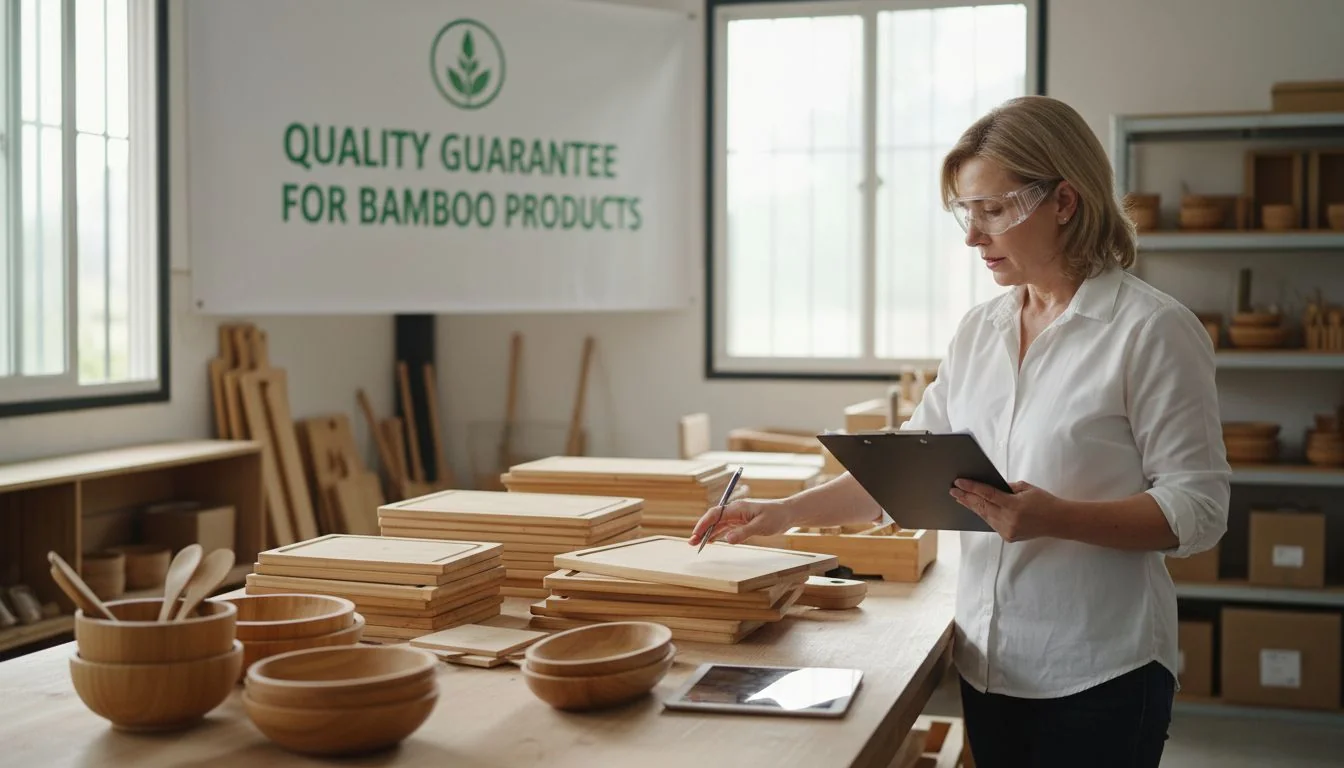
Guarantee quality with a multi-layered approach. Create a detailed quality control checklist[^4], use a third-party inspection service for key milestones, and have a clear agreement on how to handle defects. Never release final payment until quality is confirmed.
Dive Deeper: Building a Quality Assurance System
In my early days running my trading company, I learned a tough lesson by trusting a factory's "100% QC passed" report. The shipment arrived, and 30% of the products were defective. It was a disaster. Now, I build a system of checks and balances for every project. You need to control the quality process yourself. This means creating your own standards and having your own people check them. A third-party inspector acts as your eyes and ears in the factory. They are unbiased and work for you, not the factory. This is one of the best investments you can make to protect your business and ensure you get what you paid for.
Your Quality Guarantee Toolkit
| Tool | Description | How to Use It |
|---|---|---|
| QC Checklist | A detailed document listing all inspection points, tolerances, and pass/fail criteria. | Provide this to the factory and your third-party inspector. It leaves no room for interpretation. |
| Third-Party Inspection | Hire an independent company to inspect the goods at the factory. | Schedule a Pre-Shipment Inspection (PSI) when 80% of the order is complete but before it's packed. |
| Defect Classification | Define what constitutes a minor, major, or critical defect in your contract. | Example: A small scratch (minor), a crack (major), a safety hazard (critical). |
| Payment Terms | Structure your payment to hold leverage. | A common structure is 30% upfront and 70% after you receive and approve a passed inspection report. |
The factory's internal quality control is always sufficient to guarantee quality.falsk
While factories have their own QC, their standards may not align with yours, and they have a vested interest in shipping the product. An independent third-party inspection provides an unbiased assessment.
AQL (Acceptable Quality Limit) is a statistical standard used to determine inspection sample size and pass/fail criteria.ægte
Using AQL standards (e.g., AQL 2.5) is the professional industry method for conducting product inspections and making an objective decision on whether to accept or reject a shipment.
Why is the Sampling Stage So Critical?
You're eager to start production and sampling feels like a slow, expensive step. Is it really necessary to spend time and money on samples before placing the main order?
Sampling is your most important risk-reduction tool. It validates your design, tests the manufacturer's capability, and confirms material and finish choices before you commit to a large, expensive order. A good sample is proof the factory can deliver on its promises.
Dive Deeper: The Power of a Physical Sample
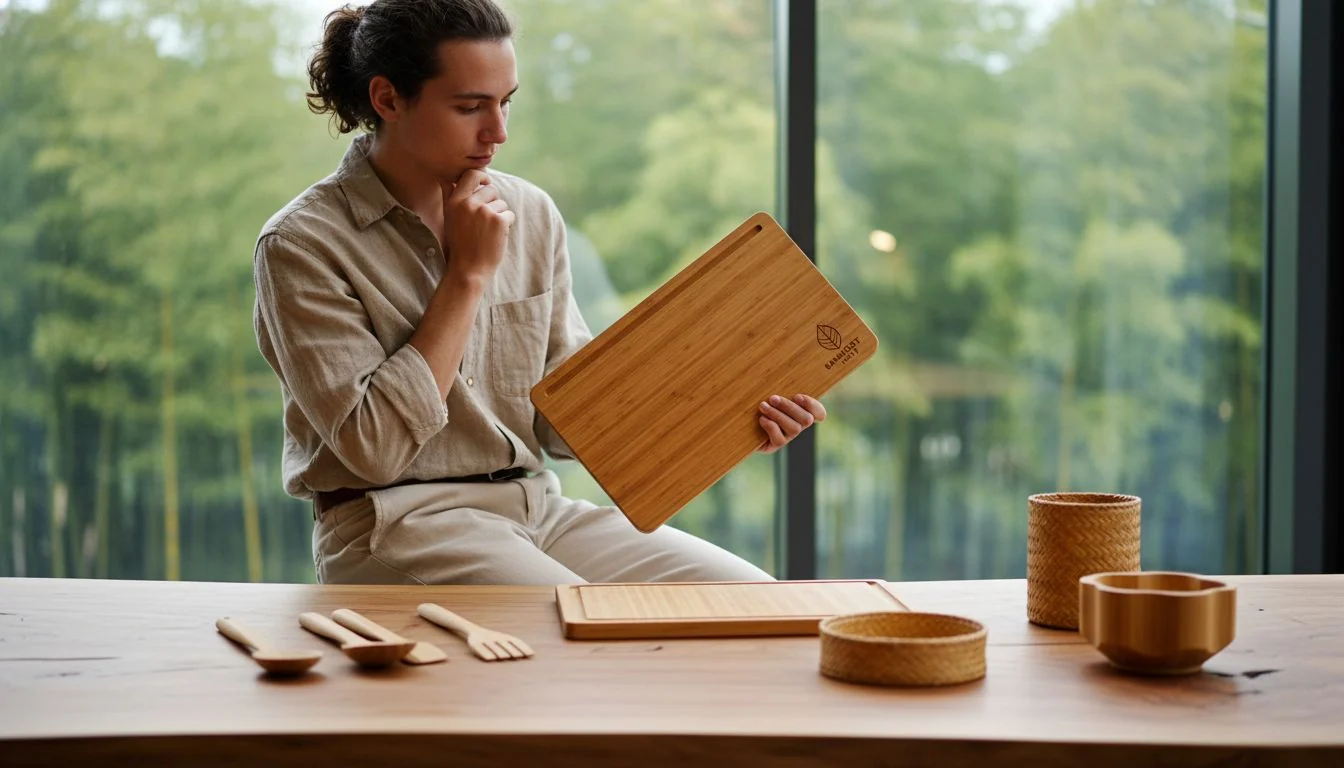
I never, ever skip the sampling stage. It's the moment your digital design becomes a physical object you can hold and test. It's where you catch issues that are invisible on a computer screen, like the feel of the finish, the actual color of the bamboo, or the weight of the product. I've had clients realize their design was slightly too big or too small only after holding the first sample. Fixing that on a sample costs a few hundred dollars; fixing it after making 10,000 units can bankrupt a project. At Moldle, our experienced technicians and sales engineers always emphasize that a perfect pre-production sample is the foundation of a successful project. It is your single source of truth.
Types of Samples and Their Purpose
| Sample Type | Formål | What to Check |
|---|---|---|
| Prototype Sample | To test form, fit, and function. Often made with different methods (e.g., 3D printing, hand-carving). | Does the design work as intended? Are there any ergonomic issues? Is it easy to assemble? |
| Pre-Production Sample (PPS) | Made with the final production tooling and materials. This becomes your "golden sample". | Check everything: dimensions, material, color, finish, assembly, and packaging. It must be perfect. |
| Production Sample | A random sample taken from the actual bulk production run. | Use this to verify that the quality is consistent with the approved PPS during manufacturing. |
You can save money by skipping samples and going directly to mass production.falsk
This is extremely risky and a classic beginner's mistake. The cost of a sample is tiny compared to the potential loss of an entire production run of defective goods.
The Pre-Production Sample (PPS) must be made using the exact same materials and processes as the final bulk order.ægte
The purpose of the PPS is to be a perfect representation of what you will receive in your bulk order. Any deviation, no matter how small, invalidates its purpose as a quality benchmark.
Konklusion
Mastering bamboo wholesale involves finding the right partner, communicating with clear designs, and enforcing rigorous quality control. Follow these steps to turn your design into a successful, high-quality product.