
Featured image:

Struggling to choose a finish for your custom toy design? A bad choice can ruin the final product's look and feel. Understanding your options is key to success.
The best finishing options for CNC-machined toys[^1] depend on material, safety, and desired aesthetics. Common choices include natural oils for a premium feel, water-based paints for vibrant color, and lacquers for high durability. Each option directly impacts the final cost, production time, and market appeal.
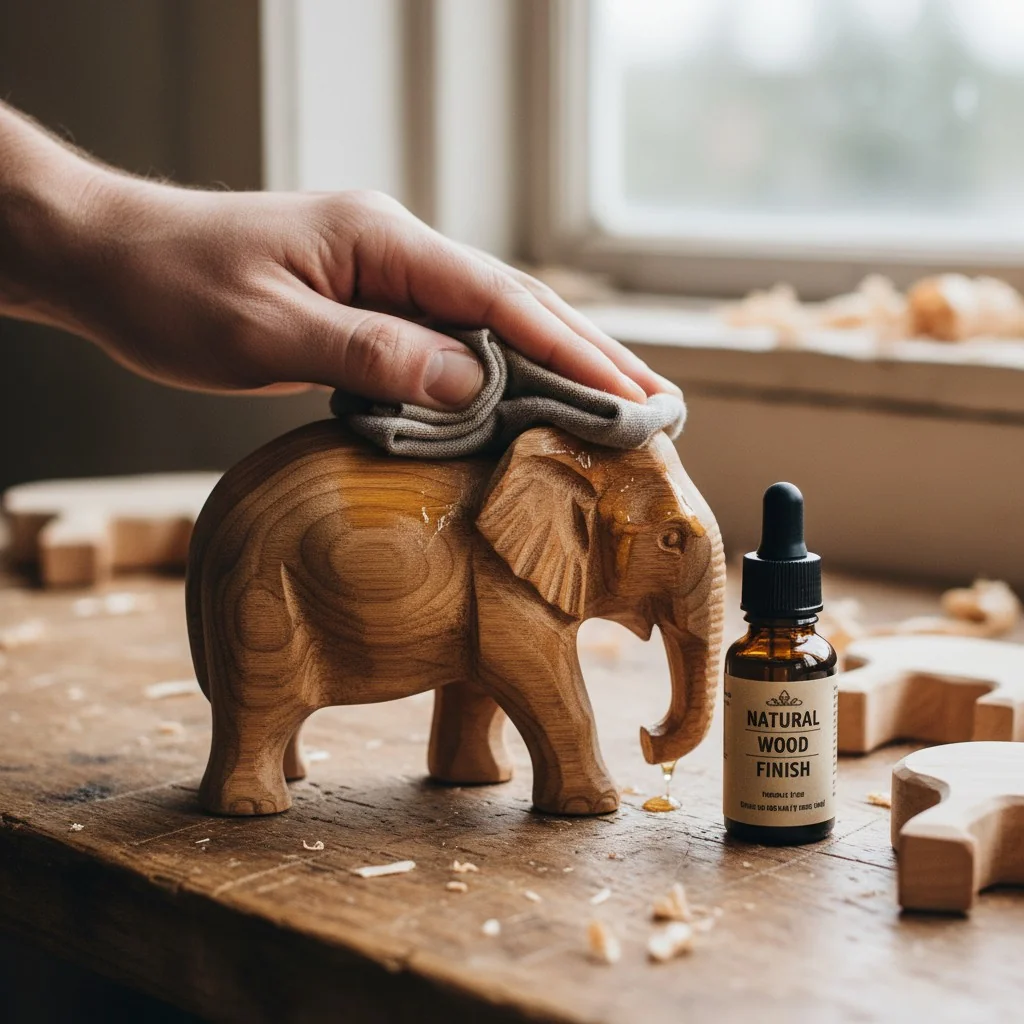
I remember a client I worked with a few years back. They had designed a beautiful set of CNC-machined building blocks. The design was perfect, but they were stuck on the finish. They almost went with a cheap varnish that would have made the toys look like plastic and potentially been unsafe for kids. We spent a lot of time discussing the pros and cons of each option, just like we're about to do now. That experience taught me that the finish isn't the last step; it's a critical part of the design process itself. It affects everything from the user's first impression to the product's lifespan. Let's break down the options so you can make the right choice for your project.
All wood finishes release toxic fumes for weeks after application.falsk
While many solvent-based finishes do, modern water-based and natural oil finishes are low-VOC or zero-VOC and are considered safe once fully cured.
The type of finish can affect the toy's final dimensions.ægte
Thick finishes like lacquer or paint add a measurable layer to the surface, which can be critical for toys with tight-fitting parts. This must be accounted for in the initial design.
How Do Natural Finishes Affect a Toy's Feel and Safety?
Want a non-toxic, premium feel for your wooden toy? Harsh chemicals are a major concern for children's products. natural oils[^2] and waxes offer a safe, beautiful, and tactile solution.
Natural finishes like linseed oil, tung oil, or beeswax[^3] penetrate the wood, enhancing its natural grain and providing a warm feel. They are generally non-toxic and food-safe once cured, making them an excellent choice for toys intended for young children who might put them in their mouths.
When I work with designers creating high-end toys, especially from woods like maple or beech, we often lean towards natural finishes. There's an honesty to it. You're not hiding the material; you're celebrating it. This approach is perfect for designs that want to communicate quality and eco-friendliness. However, it's not just about looks. The safety aspect is huge. For any toy that a child under three might play with, I always push for a finish that is certified child-safe. Natural oils and waxes, when properly cured, are among the best options. Let's look at the specifics.
Oil vs. Wax Finishes
Oils and waxes are often used together but serve slightly different purposes.
- Oil Finishes (Tung, Linseed, Mineral): These penetrate deep into the wood fibers. They "cure" through oxidation, hardening inside the wood to provide protection from within. This is what gives the wood that rich, deep look.
- Wax Finishes (Beeswax, Carnauba): Waxes sit more on the surface. They provide a silky-smooth feel and an extra layer of water resistance. A beeswax finish on a maple toy feels incredibly soft and is a great sensory experience.
Here is a simple breakdown for your reference:
| Finish Type | Key Benefit | Bedst til | Holdbarhed |
|---|---|---|---|
| Tung Oil | Excellent water resistance, durable | Toys needing higher protection | Høj |
| Linseed Oil | Enhances wood grain beautifully | Decorative or low-wear toys | Medium |
| Mineral Oil | Food-safe, easy to apply | Teething toys, blocks | Low (needs reapplication) |
| Beeswax | Silky feel, pleasant smell | All toy types, as a top coat | Lav-Middel |
Beeswax is the most durable natural wood finish.falsk
While it provides a beautiful feel and some water resistance, beeswax is a soft wax and offers less durability against scratches and wear compared to cured oils like Tung oil or hard waxes like Carnauba.
Polymerized Tung Oil is generally considered non-toxic and food-safe once fully cured.ægte
Once the oil has undergone polymerization (curing), the solvents evaporate, and it forms a stable, non-toxic surface, making it a popular choice for items like cutting boards and children's toys.
When Should You Choose Paint or Lacquer Over a Natural Finish?
Your design needs vibrant, solid colors and high durability. Natural finishes can't provide that pop or withstand rough play. Modern, certified paints and lacquers[^4] offer the perfect solution.
Choose paint or lacquer when your design requires specific opaque colors, a high-gloss look, or maximum durability against scratches and moisture. These finishes create a protective film on the surface. Always verify they are certified child-safe (e.g., EN-71[^5] or ASTM F963 compliant).
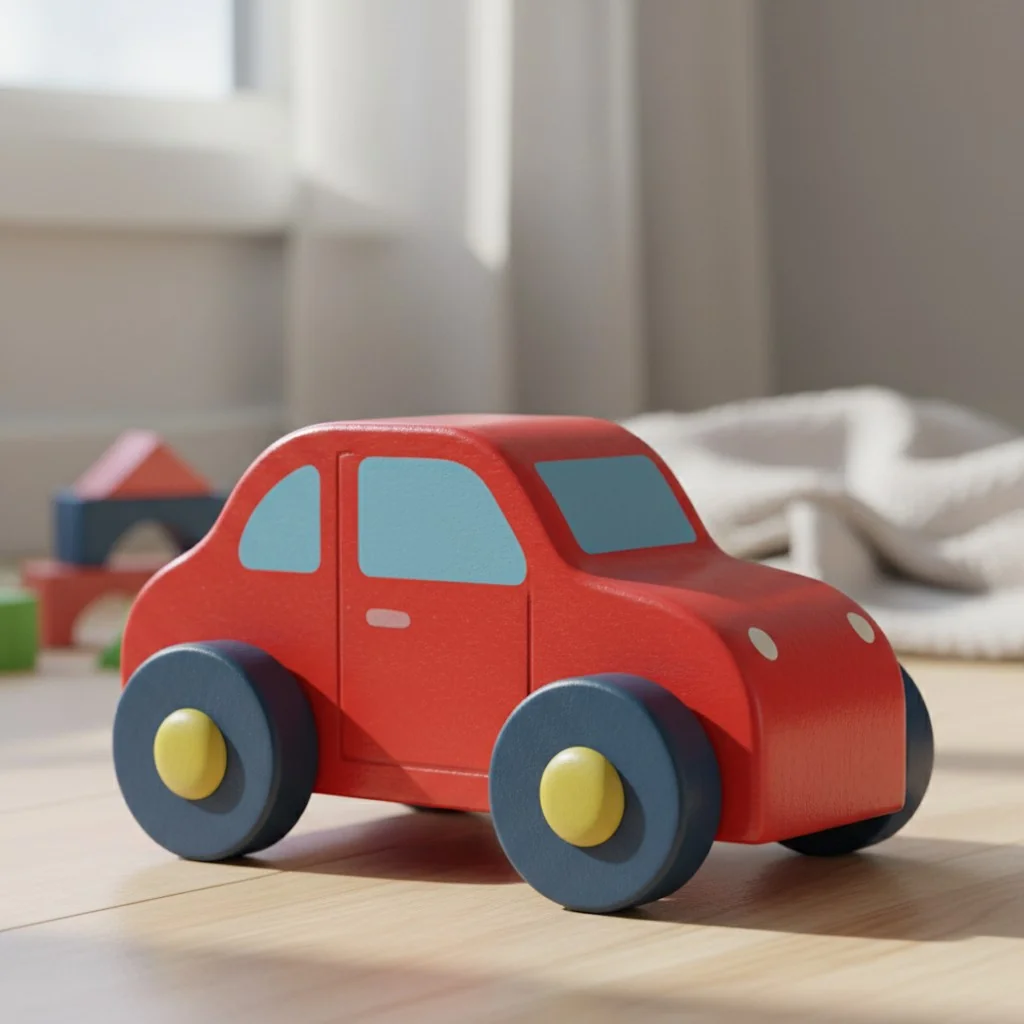
Jeg hjalp engang en startup, der var ved at designe en linje af farverigt, stabelbart dyrelegetøj. De elskede ideen om træ, men deres mærke handlede om lyse, legende farver. A natural finish just wouldn't work. We explored painted options. Their biggest fear was safety and chipping. Dette er en fælles bekymring for enhver produktdesigner som Jacky. Løsningen var at specificere et vandbaseret malingsystem af høj kvalitet og en robust fremstillingsproces, der omfattede korrekt grunding og flere tynde lag. Resultatet var et holdbart, levende og fuldstændig sikkert produkt, der bestod alle certificeringer med lethed. Paint åbner op for en helt ny verden af designmuligheder, men du skal være klog på det.
Water-Based vs. Solvent-Based
The biggest decision here is the paint's base.
- vandbaserede malinger[^6]: These are the standard for modern toys. They have low or no Volatile Organic Compounds (VOCs), making them safer for factory workers and the end-user. They clean up with water and are less hazardous overall. Their durability has improved massively over the years.
- Lacquers and Varnishes: These are typically solvent-based and create a very hard, durable, and often glossy shell. They offer superior protection against moisture and scratches. However, you must ensure they are specifically rated as child-safe, as many industrial lacquers are not.
Here’s how they stack up for toy manufacturing:
| Funktion | Vandbaseret maling | Child-Safe Lacquer | Natural Oil |
|---|---|---|---|
| Aesthetics | Opaque, unlimited colors | Clear, high gloss | Enhances natural grain |
| Beskyttelse | Good (forms a film) | Excellent (hard shell) | Moderate (penetrates wood) |
| Sikkerhed | Generally high (low-VOC) | Must be certified | Generally very high |
| Koste | Moderat | Moderat til Høj | Lav til moderat |
| Anvendelse | Easy, fast drying | More complex, needs ventilation | Easy, but long cure times |
For Jacky, the key takeaway is that painted finishes require tight quality control. You need to specify the exact paint system and ensure your manufacturer adheres to it, including testing for lead and other heavy metals.
Water-based paints are not as durable as oil-based paints.falsk
This is a common misconception. Modern acrylic and water-based enamel paints offer excellent durability, flexibility, and color retention, often outperforming older oil-based formulas, especially for indoor applications like toys.
EN-71 is a European safety standard specifically for toys.ægte
EN-71-standarden specificerer sikkerhedskrav til legetøj, herunder strenge grænser for giftige elementer som bly, cadmium og kviksølv i maling og belægninger, hvilket gør det til en kritisk certificering for legetøj, der sælges i EU.
What Advanced Finishing Techniques Can Elevate Your Custom Toy Design?
Vil du have, at dit legetøj virkelig skiller sig ud fra konkurrenterne? Standard finish kan nogle gange se generiske og uinspirerede ud. Udforskning af avancerede teknikker kan skabe et unikt, premium produkt.
Avancerede teknikker som tumling[^7], farvning eller lasergravering tilføjer unikke teksturer og detaljer. Tumbling udglatter dele for en blød følelse, mens farvning giver dyb, gennemskinnelig farve. Disse metoder kan kombineres med andre finish for at skabe et karakteristisk og værdifuldt produkt.
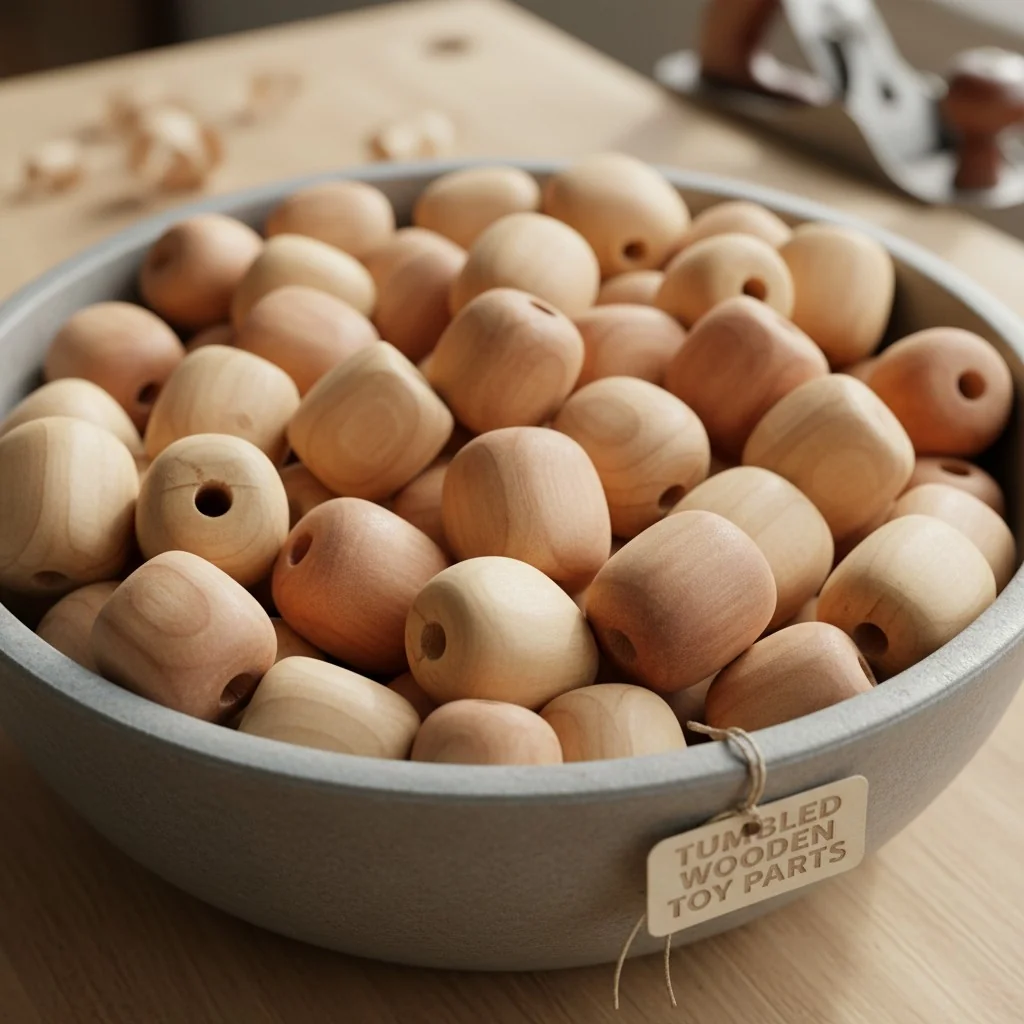
I min CNC-virksomhed får vi ofte forespørgsler, der rækker ud over et simpelt lag maling eller olie. Designere leder altid efter en kant. Jeg oplever, at kombination af fremstillingsprocesser ofte giver de mest interessante resultater. For eksempel kan vi CNC-bearbejde en del, derefter tumle den for en superglat, slidt fornemmelse og til sidst lasergravere et logo eller mønster på den. Denne flertrinsproces skaber et detaljeringsniveau og en taktil kvalitet, som du bare ikke kan få fra en simpel finish. Det viser en forpligtelse til kvalitet, som kunderne kan mærke. Disse er ikke kun finish; de er integrerede designelementer.
Unique Finishing Processes
Lad os se på nogle få teknikker, der kan adskille dit produkt.
- Barrel Tumbling (Vibratory Finishing): This is great for small parts like blocks or beads. The CNC-machined parts are placed in a tumbler with abrasive media. Over several hours, all the sharp edges are rounded, and the surface becomes incredibly smooth. It's an efficient way to finish hundreds of parts at once.
- wood dyeing[^8]: Unlike paint, which sits on the surface, dye soaks into the wood and colors the fibers themselves. This gives you vibrant color while still allowing the wood grain to show through. It's a fantastic way to get the best of both worlds: color and natural texture.
- Laser Engraving: After a part is finished with oil or lacquer, a laser can be used to etch precise patterns, logos, or details onto the surface. This adds a sharp, high-tech detail that contrasts beautifully with the natural wood.
These techniques add steps to production, which means they add cost. However, for a premium product, the perceived value they add can far outweigh the extra expense. It's a strategic choice you make as a designer.
Tumbling wood parts can only be used for rounding edges.falsk
While rounding edges is a primary function, tumbling can also be used for polishing, deburring, and even applying a wax or oil finish to a large batch of parts simultaneously, making it a versatile finishing process.
Wood dyes are less durable than paints.ægte
Because dyes penetrate the wood rather than forming a protective film, they don't offer the same level of protection against scratches and UV fading as a high-quality paint or lacquer would.
Konklusion
Choosing the right finish is a critical design decision. It balances aesthetics, safety, durability, and cost, and is a key part of the entire product development process, not an afterthought.
Referencer
[^1]: Explore the advantages of CNC machining in toy design, including precision and customization.
[^2]: Discover how natural oils enhance the beauty and safety of wooden toys, making them ideal for children.
[^3]: Discover how beeswax provides a beautiful finish and enhances the sensory experience of wooden toys.
[^4]: Find ud af, hvordan lakker giver holdbarhed og en blank finish, perfekt til levende legetøjsdesign.
[^5]: Lær om EN-71-standarden og dens betydning for at sikre legetøjssikkerhed på det europæiske marked.
[^6]: Lær om de sikkerhedsmæssige og miljømæssige fordele ved at bruge vandbaseret maling til legetøjsfremstilling.
[^7]: Forstå, hvordan tumling kan forbedre finishen og følelsen af legetøjsdele, hvilket forbedrer den generelle kvalitet.
[^8]: Udforsk processen med træfarvning, og hvordan den kan tilføje levende farver, mens du viser træets årer frem.
