
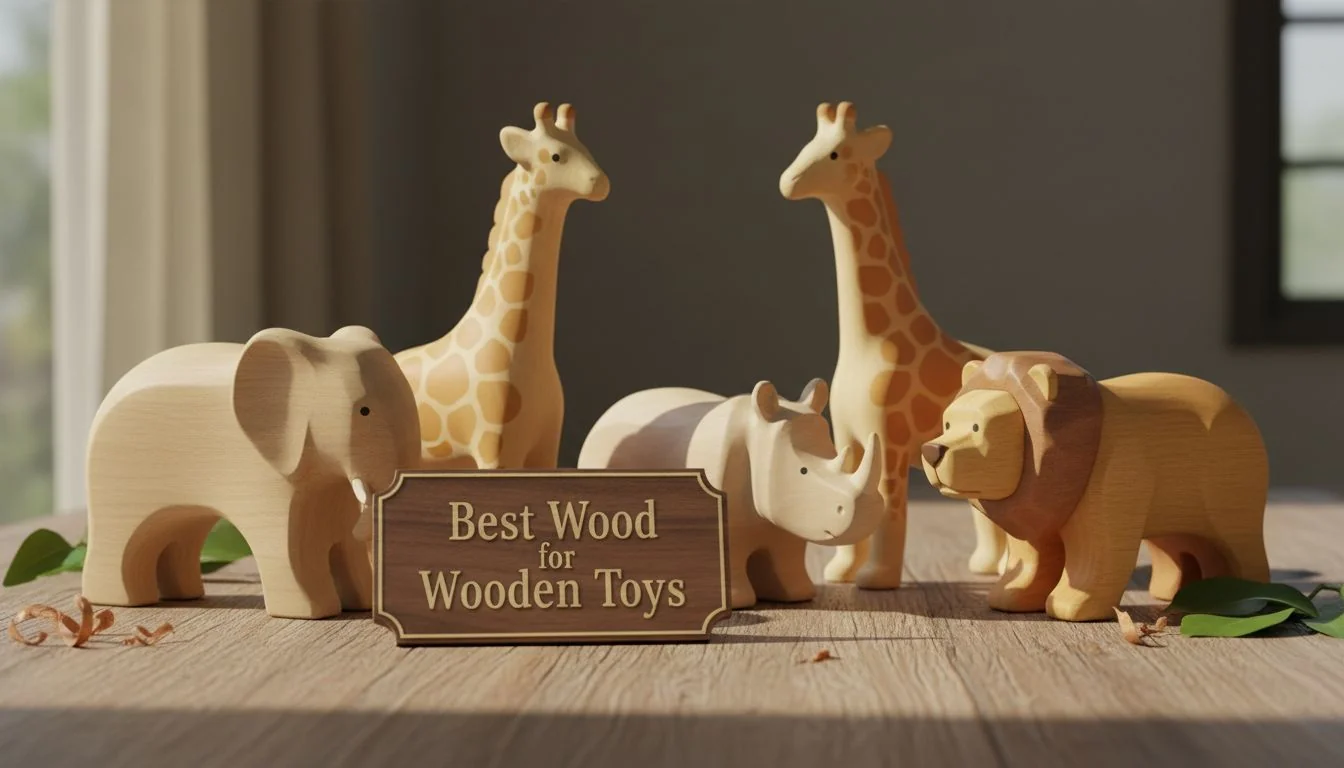
Kies it ferkearde hout foar in boartersguod kin liede ta splinters en feiligens gefaren. Dit kin de reputaasje fan jo merk beskeadigje en resultearje yn kostbere herinneringen, wêrtroch in geweldich idee in oanspraaklikens wurdt.
De bêste bosken foar boartersguod binne hurd, net splinterjend, en non-toxic hardwoods[^1] lykas Maple, Beech, and Birch. Dizze bosken binne duorsum, hawwe in glêde finish en kinne rûch spiel ferneare, en garandearje dat it definitive produkt sawol prachtich as feilich is foar bern.
Ik haw myn karriêre trochbrocht yn fabrikaazje, meast mei mallen en plestik. Mar de kearnprinsipes binne altyd itselde, of jo plestik ynjeksje of hout snije. It komt allegear del op it kiezen fan it juste materiaal foar de baan. Ik haw wurke mei partners lykas Woddlon oan spesjalisearre projekten, en ik haw út de earste hân sjoen hoe't materiaalkar in produkt makket of brekt, foaral ien foar bern. Jo moatte tinke oer feiligens, duorsumens en hoe't it materiaal him gedraacht massa produksje[^2]. Litte wy trochrinne hoe't ik dit oanpakke, sadat jo de juste oprop kinne meitsje foar jo folgjende projekt.
Alle sêfthouten binne ûnfeilich foar it meitsjen fan berneboartersguod.falsk
Wylst in protte sêfte hout lykas pine kin maklik dent en splinterje, guon, lykas Poplar, binne sêft, mar hawwe in unifoarme tekstuer en wurde beskôge feilich as goed klear. De kaai is hurdens en splinterresistinsje, net allinich de kategory 'sêfthout' of 'hurdhout'.
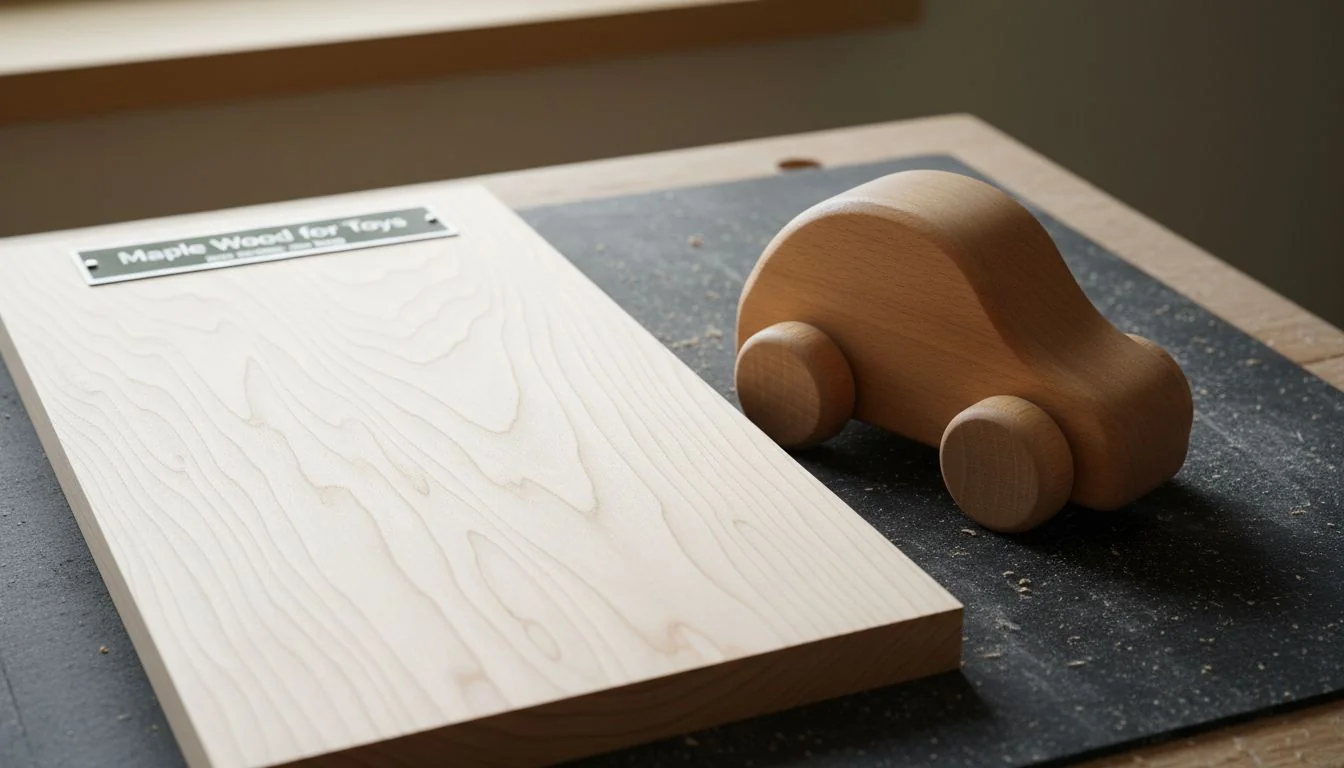
Maple hout is ien fan 'e hurdste húshâldlike houten, wêrtroch it ekstreem duorsum is foar boartersguod.wier
Mei in Janka-hurdenswurdearring fan sawat 1,450 lbf, is Hard Maple útsûnderlik resistint foar dents en wear, dat is de reden dat it in topkeus is foar items lykas houten blokken, auto's en oare boartersguod dy't swier gebrûk sjogge.
Hoe kieze jo it bêste hout foar in oanpast houten boartersguod?
It ûntwerpen fan in ien-of-a-soarte oanpast boartersguod is spannend, mar jo materiaalkar is kritysk. In minne kar kin in geweldich ûntwerp ûndergrave, wat liedt ta in produkt dat brekt of goedkeap fielt.
Foar in oanpast boartersguod moatte jo feiligens en duorsumens prioritearje boppe alles. It bêste hout is in dichte hurde hout dat net splinterje sil, fan natuere net-giftig is en kin wurde skuorre oant in heul glêde finish. Maple en Beech binne myn go-to-oanbefellings om dizze redenen.

As in klant by my komt mei in unyk boartersguodûntwerp, brekke wy it houtseleksjeproses op yn trije wichtige gebieten. It is net allinnich oer wat sjocht der goed; it giet oer wat it bêste prestearret en bern feilich hâldt. Ik tink in projekt foar in set fan oanpaste alfabet blokken. De opdrachtjouwer leaude nei in goedkeaper hout om te besparjen op de earste kosten. Ik liet harren in stekproef fan dat hout sjen neist in stik hurde maple. It ferskil yn gewicht, gefoel en finish wie dúdlik. Wy besprutsen hoe't de maple soe wjerstean dents fan wurde smiten en soe net it risiko splinterjen. Se akkoard mei de maple, en it definitive produkt wie in enoarm súkses dat foarby elk feiligens sertifisearring[^3] mei gemak.
Key faktoaren foar oanpaste boartersguod
Hjir is hoe't wy de opsjes evaluearje:
- Feilichheid: It hout moat net-giftig wêze. Meitsje bosken dy't allergyske reaksjes kinne feroarsaakje of natuerlike gifstoffen befetsje. It moat ek splinterbestindich wêze. De feiligens fan in bern is de nûmer ien prioriteit.
- Duorsumens: Oanpaste boartersguod wurde faak jierrenlang koestere. It hout moat hurd genôch wêze om dents, krassen en brekken fan drippen en rûch spul te wjerstean. Dit is wêr de Janka hurdens skaal[^4] is in nuttige gids.
- Finish en fiele: It hout moat sân oant in seide-glêde finish om feilich te wêzen foar lytse hannen. It nôtpatroan en de kleur drage ek by oan it definitive uterlik en gefoel fan it boartersguod, wat in grut diel is fan it berop fan in oanpast produkt.
Hjir is in ienfâldige tabel om guon mienskiplike karren te fergelykjen:
| Hout Type | Feiligens (splinterrisiko) | Duorsumens (Janka hurdens) | Finish Kwaliteit | Bêste foar |
|---|---|---|---|---|
| Maple | Very Low | High (1450 lbf) | Excellent | Blocks, cars, teething toys, puzzles |
| Beech | Very Low | High (1300 lbf) | Excellent | Building blocks, figures, rattles |
| Birch | Leech | Medium (1260 lbf) | Very Good | Puzzles, smaller painted toys |
| Pine | Heech | Low (380 lbf) | Fair | Not recommended for unpainted toys |
| Iik | Medium (Porous) | High (1360 lbf) | Good | Not ideal due to large, open pores |
Oak is a great choice for toys because it is a hardwood.falsk
Although Oak is very hard and durable, its large, open grain (pores) can trap dirt and bacteria, making it less ideal for toys that children might put in their mouths. Woods with a closed, tight grain like Maple are more hygienic.
Beech wood is naturally anti-bacterial.wier
Studies have shown that wood, including Beech, has natural antimicrobial properties that can kill bacteria on its surface, making it an excellent and hygienic choice for children's toys.
Hoe kieze jo hout foar bulkproduksje?
Moving from a single prototype to thousands of units changes everything. Suddenly, cost, consistency, and machinability become just as important as the wood's physical properties. You need a strategy.
For bulk production, you need a wood that is not only safe and durable but also readily available, cost-effective, and easy to machine. This balance ensures you can scale up production without sacrificing quality or breaking the budget. Birch and Beech often hit this sweet spot.
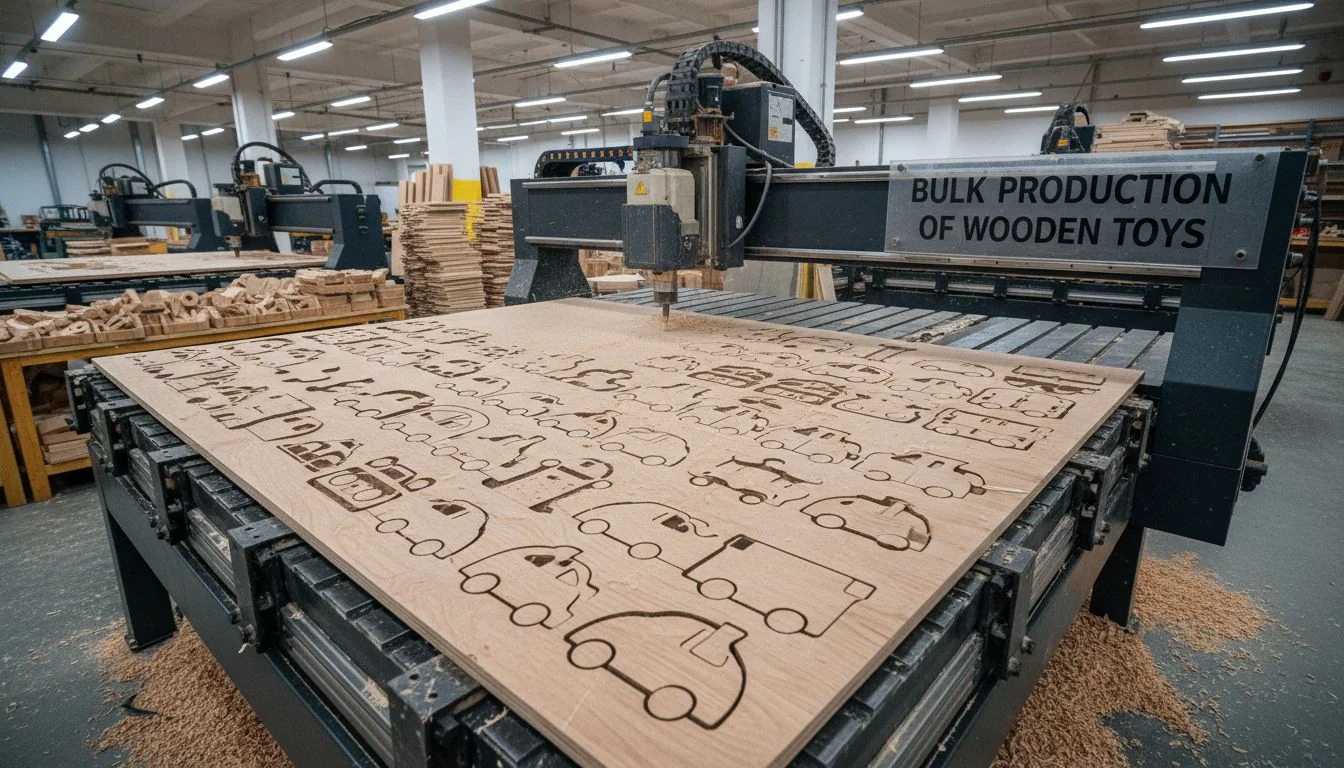
When you're making thousands of something, small details create big problems. As a product designer like Jacky knows, optimizing for large-scale production is a different game. You can't just pick the fanciest wood. You have to think like a factory manager. Is the wood available in the quantities I need, year-round? Is the quality consistent from one batch to the next? How quickly will this wood wear down my CNC bits and other tools? Answering these questions is crucial. For mass-market toys, I often see manufacturers use Birch. It's a fantastic compromise. It's hard enough, finishes well, is more affordable than Maple, and is widely available from sustainable sources.
Balansearjen fan kosten, oanbod en ferwurkingsberens
Here’s how to think about wood for mass production:
- Cost and Availability: You need a wood that fits your budget and can be sourced reliably in large volumes. Look for woods with stable supply chains. FSC or PEFC certification is also a major plus for marketability.
- Consistency: The material must be uniform. You can't have significant variations in color, grain, or density from one shipment to the next, as this will affect the final product's look and the manufacturing process.
- Machinability: How does the wood behave with industrial tools? A good choice will cut cleanly, require minimal sanding, and won't cause excessive wear on blades and bits. This directly impacts production speed and cost.
This table breaks down the manufacturing considerations:
| Hout Type | Approx. Cost | Global Availability | Machinability (CNC) | Best For Mass Production? |
|---|---|---|---|---|
| Maple | Heech | Good | Excellent | Yes, for premium/high-end toys. |
| Beech | Medium-High | Excellent (Europe) | Excellent | Yes, a great all-around choice. |
| Birch | Medium | Excellent | Very Good | Yes, excellent balance of cost/quality. |
| Poplar | Leech | Good (N. America) | Good | Good for painted toys; dents easily. |
| Rubberwood | Leech | Good (Asia) | Good | Yes, a very common eco-friendly option. |
Rubberwood is a poor-quality wood from old tires.falsk
Rubberwood is a high-quality, eco-friendly hardwood. It is harvested from rubber trees that have finished their latex-producing cycle, making it a sustainable byproduct of the rubber industry. It is not related to rubber tires.
Using Birch plywood is a good cost-saving method for flat toys like puzzles.wier
High-quality Baltic Birch plywood is strong, stable, and less expensive than solid hardwood. It's perfect for items like puzzles and play sets, as it resists warping and can be cut precisely with lasers or CNC machines.
Konklúzje
Choosing the right wood is key to a successful toy. For custom pieces, prioritize safety and feel with Maple or Beech. For bulk production, balance cost and machinability with Birch or Rubberwood.
References
[^1]: Explore the importance of non-toxic hardwoods in ensuring children's safety and health.
[^2]: Discover the key considerations for scaling up production while maintaining quality.
[^3]: Learn about safety certifications to ensure your wooden toys meet industry standards.
[^4]: Understanding the Janka hardness scale is crucial for selecting durable woods for children's toys.
