
Ready to Create the Next Hit Wooden Kitchen Toy From a China Factory?

Struggling to bring your wooden toy design to life? The manufacturing process seems complex and risky. I'll show you the clear path to success with Chinese factories[^1].
Developing a wooden kitchen toy[^2] involves a clear process: concept design, detailed engineering (CAD), material selection, finding a reliable factory, prototyping, quality control, and finally, mass production. This guide breaks down each step for you, making it simple to follow.
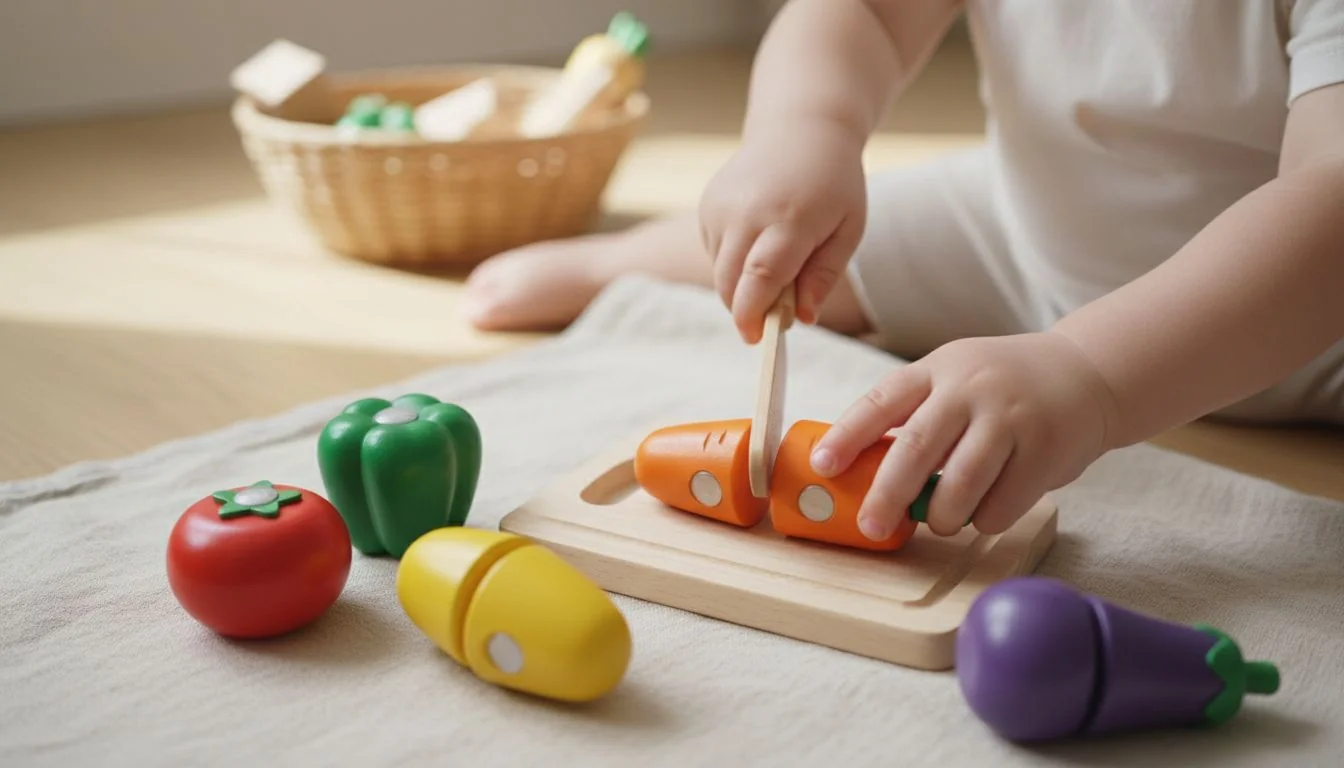
I've spent my career in manufacturing, mostly with molds and plastic parts. But the core principles of turning an idea into a physical product are universal. I've helped many clients navigate the world of production in China, and I've seen what works and what doesn't. The journey from a design file to a best-selling toy on a store shelf is something I know well. Let's walk through this process together, so you can avoid the common pitfalls and get your product made right.
All wooden toys are made from sustainably sourced wood.Na ƙarya
Not all factories use certified sustainable wood. You must specify and verify sources like FSC (Forest Stewardship Council) certification with your supplier.
The global market for wooden toys is projected to grow significantly in the coming years.Na gaskiya
Market research reports indicate a rising consumer preference for sustainable, durable, and educational toys, driving growth in the wooden toy sector.
Why Are Wooden Kitchen Toys a Smart Choice for Your Brand?
Plastic toys dominate the market, making it hard to stand out. Parents are seeking safer, more sustainable options. Wooden toys offer a premium, eco-friendly alternative that commands higher value.
Kayan wasa na dafa abinci na katako suna ba da fa'idodi masu yawa. Suna da ɗorewa, aminci (tare da ƙarewar da ba ta da guba), da kuma yanayin yanayi. Har ila yau, suna ƙarfafa wasan kwaikwayo na tunani da haɓaka ingantattun ƙwarewar motsa jiki, yana mai da su sha'awa sosai ga iyayen zamani waɗanda ke ba da fifiko da inganci da dorewa.

Lokacin da na fara farawa, na ga yawancin abokan ciniki sun mayar da hankali kan filastik kawai. Ya kasance mai arha kuma mai sauƙin ƙirƙira. Amma zamani ya canza. A yau, iyaye sun fi sanin abin da suke saya wa ’ya’yansu. Suna karanta lakabi. Suna damuwa game da sinadarai da tasirin muhalli. Wannan motsi yana haifar da babbar dama ga samfuran da suka zaɓi itace. Na ga abokan ciniki sun yi nasarar ƙaddamar da layukan wasan yara na katako waɗanda suka zama gadon iyali, waɗanda ke wucewa daga ɗayan yaro zuwa na gaba. Wannan labari ne mai ƙarfi wanda filastik ba zai iya faɗi ba. Ba abin wasa ba ne kawai; yana da wani zuba jari a ingancin da m play.
Dorewa da Tsawon Rayuwa
I've seen plastic toys break within days of being opened. It's frustrating for parents and bad for your brand's reputation. Wooden toys are different. A well-made wooden kitchen can withstand years of enthusiastic play. This durability means it can be passed down, creating sentimental value. For your brand, this translates to a reputation for quality and craftsmanship.
Safety and Sustainability
Parents today are very aware of chemicals like BPA in plastics. Wood is a natural, reassuring material. When you partner with a good factory, you can specify non-toxic, water-based paints and finishes that meet international matakan aminci[^3] like ASTM F963 or EN-71. You can also demand wood from certified sustainable forests. These are not just features; they are powerful marketing points that build trust with your customers.
Developmental Value
Here’s a simple comparison I often make for my clients:
| Siffar | Plastic Electronic Kitchen | Wooden Toy Kitchen |
|---|---|---|
| Wasa Salo | Guided, with lights and sounds | Open-ended, child-led |
| Skills Used | Pushing buttons | Imagination, problem-solving, fine motor |
| Tsawon rayuwa | Short, until batteries die or it breaks | Long, can last for generations |
| Parent Appeal | Can be noisy and overstimulating | Quiet, encourages creative play |
A wooden kitchen doesn't tell a child how to play. It invites them to create their own stories and scenarios. This kind of imaginative, open-ended play is critical for a child's development.
Kayan wasa na katako koyaushe suna da tsada don samarwa fiye da kayan wasan filastik.Na ƙarya
Yayin da kayan wasa masu inganci na katako na iya zama masu tsada, ta yin amfani da kayan kamar plywood ko MDF, haɗe tare da samar da ingantaccen taro, na iya yin wasan wasan katako mai tsada tare da hadadden kayan wasan filastik na lantarki.
Kayan wasan yara da aka yi daga itace na iya taimaka wa yara su haɓaka ƙwarewar motsa jiki.Na gaskiya
Ayyuka kamar kunna ƙwanƙwasa, buɗe kofofin, da sarrafa ƙananan kayan abinci na katako suna buƙatar ƙwarewa da daidaitawa, wanda ke taimakawa ƙarfafa ingantaccen ƙwarewar motsa jiki na yaro.
What's the Step-by-Step Process to Develop Your Wooden Kitchen Toy?
Kuna da kyakkyawan ra'ayi don dafa abinci na katako, amma babu wani tsari mai mahimmanci. Hanyar daga zane zuwa samfurin da aka gama da alama yana da ruɗani. Zan ba ku taswirar hanya mai sauƙi, mai aiki.
Tsarin ci gaba yana farawa da ra'ayin ku da zane-zane. Sa'an nan, ka ƙirƙiri daki-daki 3D CAD model[^4]. Next, you select the right wood and finishes. After that, you create a prototype for testing. Finally, you refine the design for mass production.

I always tell my clients that a good plan is everything. In my early days, I saw people rush to a factory with a simple drawing, and the results were always a disaster. The factory has to guess what you want. As a designer like Jacky, you have the skills to remove all the guesswork. Your job is to create a perfect blueprint. The factory's job is to execute that blueprint perfectly. Let's break down the steps to create that blueprint and bring your product to life. It's a logical flow that takes you from a simple idea to a product ready for thousands of happy kids.
Phase 1: Ideation and Design
This is the creative part. Start with hand sketches. Who is this toy for? Toddlers? Preschoolers? What features will make it special? Think about clicking knobs, a removable sink, or magnetic cabinet doors. I always advise designers to build a simple cardboard model at this stage. It helps you get a feel for the scale and proportions. Think about the play experience first and the technical details second.
Phase 2: Technical Design (CAD)
This is where your professional skills shine. You need to translate your sketches into precise 3D CAD files. Every single part must be modeled. Specify every dimension, every radius, and every hole. This digital blueprint is the most critical document you will give the factory. It ensures that every toy produced is identical and matches your vision. Don't forget to think about assembly. How will the final customer put it together? Your design should make this process as simple as possible.
Phase 3: Prototyping and Refinement
Never, ever skip the prototype. I can't stress this enough. You must get a physical sample from your chosen factory. When you hold it, you can check everything. Is it stable? Are there any sharp edges? Do the doors open smoothly? Is it as fun as you imagined? I once had a client who approved a project based on 3D renders alone. The factory produced 5,000 units with a door that wouldn't close properly. It was a costly mistake that a simple prototype would have prevented.
A 3D CAD model is not necessary for making a simple wooden toy.Na ƙarya
For mass production, a 3D CAD model is essential. It ensures every piece is cut with precision and consistency, which is impossible to achieve with just hand drawings.
Prototyping adds unnecessary time and cost to a project.Na ƙarya
Prototyping is a crucial investment. It allows you to identify and fix design flaws, safety issues, and manufacturing problems before you commit to the high cost of mass production.
How Do You Find and Work With a Chinese Factory for Custom Wooden Toys?
Finding a reliable factory in China feels like searching for a needle in a haystack. You worry about scams and poor quality. I'll show you how to find a trustworthy partner.
To customize toys in bulk, first identify potential factories through platforms like Alibaba or industry referrals. Vet them carefully by checking certifications and asking for samples. Provide a detailed fakitin fasaha[^5] (CAD files, material specs) and negotiate MOQ, price, and lead times.

Nemo ma'aikata mai dacewa shine game da gina dangantaka. Ban gina kasuwancina ta hanyar aika saƙon imel zuwa ga masu ba da kayayyaki ba. Na gina shi ta hanyar ziyartar masana'antu, magana da masu su, da fahimtar iyawarsu. Kuna buƙatar abokin tarayya, ba kawai mai kaya ba. Abokin haɗin gwiwa mai kyau zai ba ku shawara, ya nuna matsalolin da za su iya faruwa a cikin ƙirar ku, kuma suyi aiki tare da ku don yin mafi kyawun samfurin. Yayin da zaku iya fara bincikenku akan layi, ainihin aikin yana cikin tsarin tantancewa. Bari mu dubi yadda ake samun masana'anta da gaske za ku iya amincewa da alamar ku.
Neman Abokin Hulɗar Dama
Kada a bincika "ma'aikatar wasan yara kawai" da Alibaba. Kasance takamaimai. Nemo masana'antun da suka kware a kayan wasan katako don kasuwannin fitarwa. Waɗannan masana'antu sun riga sun fahimci inganci da ƙa'idodin aminci da kuke buƙata. Misali, ta hanyar hanyar sadarwa ta, na san kwararru kamar Woddlon Toy. Suna da tarihin aiki tare da sanannun alamun duniya. Masana'anta irin wannan alama ce mai kyau domin yana nufin wasu abokan ciniki masu buƙatar sun riga sun tantance su. Tambayi masu yuwuwar masana'antu don lasisin kasuwancin su, takaddun shaida masu inganci (kamar ISO 9001), da kuma bin diddigin bin al'umma (kamar BSCI).
The "Tech Pack" is Your Bible
Bayyanar sadarwa shine mabuɗin nasara. A "fakitin fasaha" cikakkiyar takarda ce wacce ke gaya wa masana'anta duk abin da suke buƙatar sani. Kwangilar ku ce ga abin da za ku gina. Dole ne ya haɗa da:
- Cikakken Zane na CAD: Every part with dimensions.
- Ƙayyadaddun kayan aiki: Be specific. For example, "A-grade Beech wood, FSC certified."
- Paint and Finish Requirements: For example, "Pantone color 123 C, non-toxic water-based paint, compliant with EN-71."
- Packaging Design: The artwork for the box, including barcodes.
- Assembly Instructions: For the end consumer.
Negotiation and Contracts
Once the factory has your tech pack, they can give you a quote. You will need to discuss the Minimum Order Quantity (MOQ), unit price, and production timeline. Don't be afraid to negotiate, but remember that a price that is too low is a red flag. It often means they are cutting corners on materials or labor. Once you agree on the terms, get everything in a detailed contract. I learned early in my career that a verbal promise is worth nothing when a problem arises.
The factory with the lowest price is always the best option.Na ƙarya
Extremely low prices are a major red flag. They often indicate the use of substandard materials, poor quality control, or unethical labor practices, which can damage your brand.
A detailed 'tech pack' is the most important document for communicating your design to a manufacturer.Na gaskiya
The tech pack acts as a universal instruction manual, minimizing misunderstandings and ensuring the factory produces the product exactly as you designed it.
What's the Best Way to Assure Quality When Manufacturing in China?
You're thousands of miles away from the factory. You can't just drop by to check on production. This distance creates anxiety about iko mai inganci[^6]. Here's how you manage it effectively.
Assure quality by setting clear standards in your tech pack. Insist on a pre-production sample for approval. Implement quality checks during production (in-process inspection) and before shipping (final inspection). You can hire a third-party inspection service for this.

Amincewa yana da mahimmanci, amma tabbatarwa yana da mahimmanci. Wannan ka'ida ce da nake rayuwa da ita a masana'anta. Kuna iya samun kyakkyawar dangantaka tare da masana'anta, amma har yanzu kuna buƙatar tsari na yau da kullun don bincika ingancin. Kada ku ɗauka komai. Matsaloli suna faruwa. A machine can be set up wrong. Sabon ma'aikaci na iya yin kuskure. Kyakkyawan tsarin tabbatarwa ba game da kama masana'anta yana yin wani abu ba daidai ba. Yana nufin yin aiki tare don tabbatar da samfurin ƙarshe ya zama cikakke ga abokan cinikin ku. Yana kare ku, kuma yana kare masana'anta daga sake yin aiki mai tsada.
Set the Standard from Day One
Your tech pack should include a section on quality standards. Be visual. Include photos of what is acceptable and what is not. For example, show an "acceptable" wood knot versus an "unacceptable" crack. Define the smoothness of the paint finish. Specify the maximum gap allowed between two parts. The more specific you are, the less room there is for error.
The Power of Inspection
A multi-stage inspection process is the best approach. It allows you to catch problems early, when they are easy and cheap to fix.
| Inspection Type | Lokacin Da Ya Faru | Me Yasa Yana Da Muhimmanci |
|---|---|---|
| Samfurin Samar da Farko | Before mass production | This is your "golden sample." It confirms the factory can meet your standards. You must approve this before they start. |
| In-Process Inspection | When 20-30% of production is complete | Catches systemic problems early, before thousands of bad units are made. It's a critical checkpoint. |
| Final Random Inspection | When production is 100% complete | An inspector checks a random sample of the finished goods to verify the overall quality of the batch before you pay the final balance. |
Yi amfani da Inspector na ɓangare na uku
For a few hundred dollars, you can hire a professional inspection company in China. They act as your eyes and ears on the factory floor. They will go to the factory and perform the inspections based on your checklist. They will send you a detailed report with photos and videos. This is the best insurance policy you can buy when manufacturing overseas. It gives you peace of mind and ensures you get the quality you are paying for.
You only need to inspect the products once they are finished.Na ƙarya
Relying only on a final inspection is risky. An in-process inspection is crucial for catching problems early and preventing an entire production run from being defective.
Third-party inspection services are too expensive for small businesses.Na ƙarya
The cost of a third-party inspection (typically a few hundred dollars) is minor compared to the potential cost of receiving a full shipment of defective products.
How Can You Brand Your Wooden Toy to Stand Out in the Market?
Your toy is beautifully made, but it looks generic. Without strong alamar alama[^7], it will get lost on the shelf. I'll explain how to build a brand that connects with customers.
Brand your toy by creating a unique story and identity. This includes a memorable logo, appealing packaging, and consistent messaging. Highlight your key values, like sustainability or educational focus. Your brand is the promise you make to your customers.

I've seen technically perfect products fail because they had no soul. And I've seen simple products succeed because they had a great brand story. Your brand is not just your logo. It's the feeling people get when they see your product. It's the story they tell themselves about why they are choosing your toy over another. For wooden toys, your story is often about quality, nature, imagination, and safety. You need to communicate this story at every single touchpoint, from your website to the box the toy comes in.
Your Brand is More Than a Logo
Think about your brand's personality. Is it playful and modern? Is it classic and nostalgic? Is it focused on Montessori-style learning? This personality should guide your choice of logo, colors, and fonts. I worked with a client whose brand was all about "wild adventure." We used earthy colors, a rustic font, and illustrations of forest animals on their packaging. It instantly communicated their story without a single word.
Packaging is Your Silent Salesperson
In a retail store, the box is often the only thing a customer interacts with before buying. It has to work hard. Use high-quality, professional photos of children happily playing with the toy. Don't just list features; state the benefits. Instead of "Made of Beech Wood," say "Durable and Sustainable Beech Wood for Years of Play." I remember helping a client switch from a plain brown box to a full-color, story-driven package. Their retail sales nearly doubled almost overnight.
Building Trust Through Branding
Your branding is a tool for building trust. Prominently display safety certifications like CE (Europe) or ASTM (USA) on your packaging. This immediately tells parents that your product has been tested and is safe. Use your website and social media to tell your story. Show behind-the-scenes photos of the design process. Talk about why you chose sustainable materials. When parents feel like they know and trust your brand, they are much more likely to choose your product.
A good product will sell itself without any branding.Na ƙarya
In today's crowded market, even the best product can get lost. Branding is essential to differentiate your product, communicate its value, and build a connection with customers.
The design of the packaging has a direct impact on a toy's sales performance.Na gaskiya
Numerous studies in consumer behavior show that packaging is a critical factor in purchasing decisions, influencing perceptions of quality, value, and brand identity, especially for gift items like toys.
Ƙarshe
Developing a wooden kitchen toy from China is a clear, manageable process. With the right design, a trusted factory partner, and strong quality control, you can create a successful product.
Magana
[^1]: Explore strategies for identifying trustworthy Chinese factories to ensure quality and ethical production.
[^2]: Explore the advantages of wooden kitchen toys, including durability, safety, and their role in imaginative play.
[^3]: Learn about the essential safety standards that wooden toys must meet to ensure they are safe for children.
[^4]: Discover how 3D CAD models enhance precision in toy design and manufacturing, ensuring quality and consistency.
[^5]: Find out how a tech pack serves as a crucial communication tool between designers and manufacturers.
[^6]: Understand the best practices for quality control in toy manufacturing to ensure product safety and reliability.
[^7]: Understand the key elements of branding that can help your wooden toy stand out in a competitive market.
