
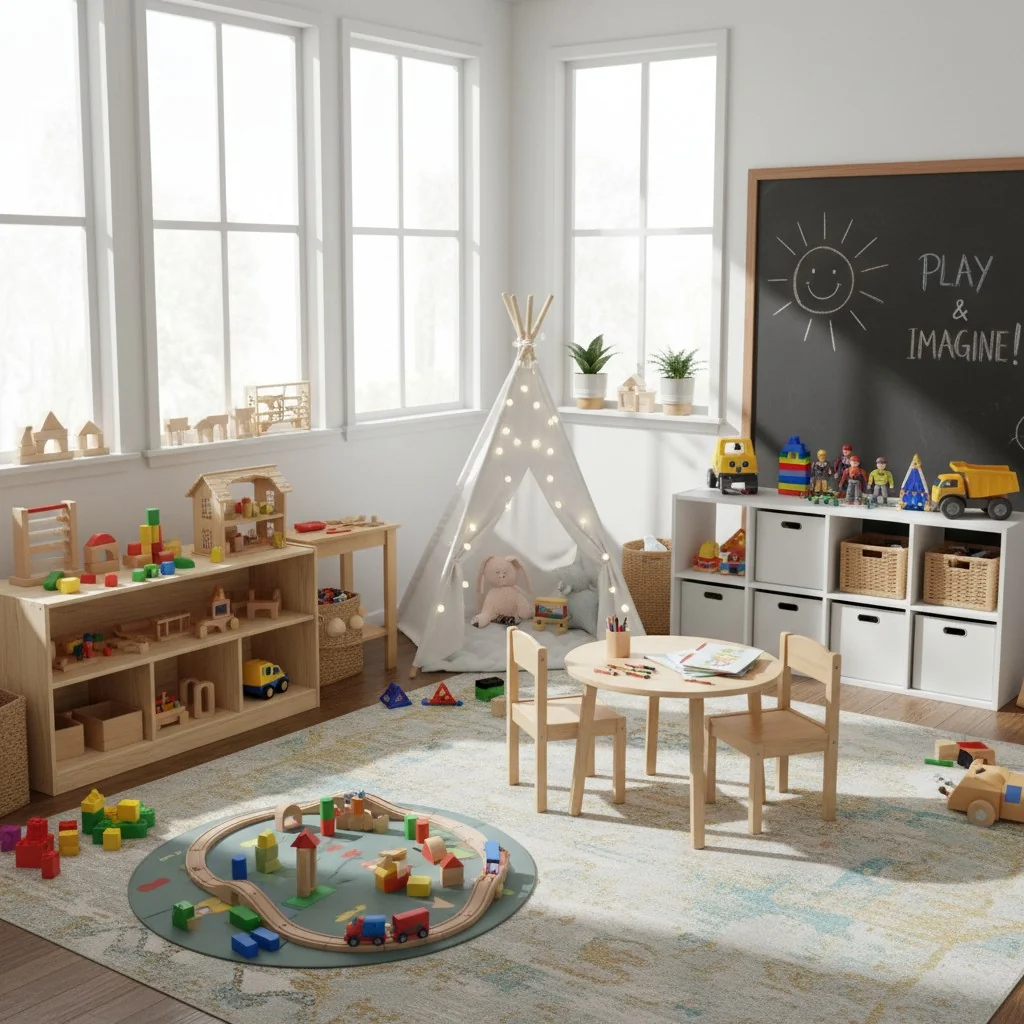
Dutsen kayan wasan leda ya mamaye shi? Kuna son wani abu na halitta kuma mai dorewa ga yaranku, amma zaɓuɓɓukan ba su da iyaka. Ga yadda za a zabi mafi kyau.
Mafi kyawun kayan wasan katako suna buɗewa, dorewa, kuma an yi su daga kayan da ba su da guba[^1]. Yi tunanin tubalan gini, motoci masu sauƙi, ko wasan wasa. Suna ƙarfafa ƙirƙira kuma suna iya dawwama ga tsararraki, suna mai da su zaɓi mafi kyau ga yawancin hanyoyin filastik masu amfani guda ɗaya.

A matsayina na uba kuma wanda ya kashe rayuwarsa a masana'antu, ina kallon kayan wasan yarana daban. Ina ganin zane, kayan aiki, da tsari a bayan kowannensu. Yana da ban sha'awa a kwatanta shingen katako da aka sassaƙa zuwa siffar filastik da aka ƙera ta allura. A cikin duniyar da nake yin gyare-gyare, muna daraja daidaito, dorewa, da ƙira mai wayo. Ina ganin halaye iri ɗaya a cikin kayan wasan katako mai kyau. Amma na kuma fahimci ingancin gyare-gyaren filastik. Fahimtar yadda aka yi su yana taimaka mana zaɓi mafi kyau ga yaranmu. Bari mu bincika wannan ta fuskar mai zane.
Duk kayan wasan filastik masu guba ne kuma marasa lafiya ga yara.Na ƙarya
Yawancin kayan wasan motsa jiki na zamani an yi su ne daga amintattun robobi marasa guba kamar ABS ko PP kuma dole ne su cika ƙa'idodin aminci. Damuwar sau da yawa yana tare da tsofaffin kayan wasan yara ko waɗanda ke ɗauke da phthalates ko BPA, waɗanda galibi an cire su a cikin samfuran yara.
Kayan wasa na katako sun fi dacewa da muhalli fiye da na filastik.Na gaskiya
Itace hanya ce mai sabuntawa, mai yuwuwa. Lokacin da aka samo shi daga dazuzzuka masu ɗorewa, samar da shi yana da ƙaramin sawun carbon idan aka kwatanta da robobin tushen man fetur. Bugu da ƙari, ƙarfinsu yana nufin ƙarancin ɓata lokaci.
Yadda za a tsara wurin wasan yara na akan ƙaramin kasafin kuɗi?
Is your living room a toy disaster zone? Organizing seems expensive and complicated. You can create a functional, tidy play area without spending a lot of money.
To organize on a low budget, use what you already have. Repurpose cardboard boxes, old baskets, or fabric bags. Label everything clearly with pictures or words. The key is creating a designated 'home' for every toy, making cleanup simple and affordable.
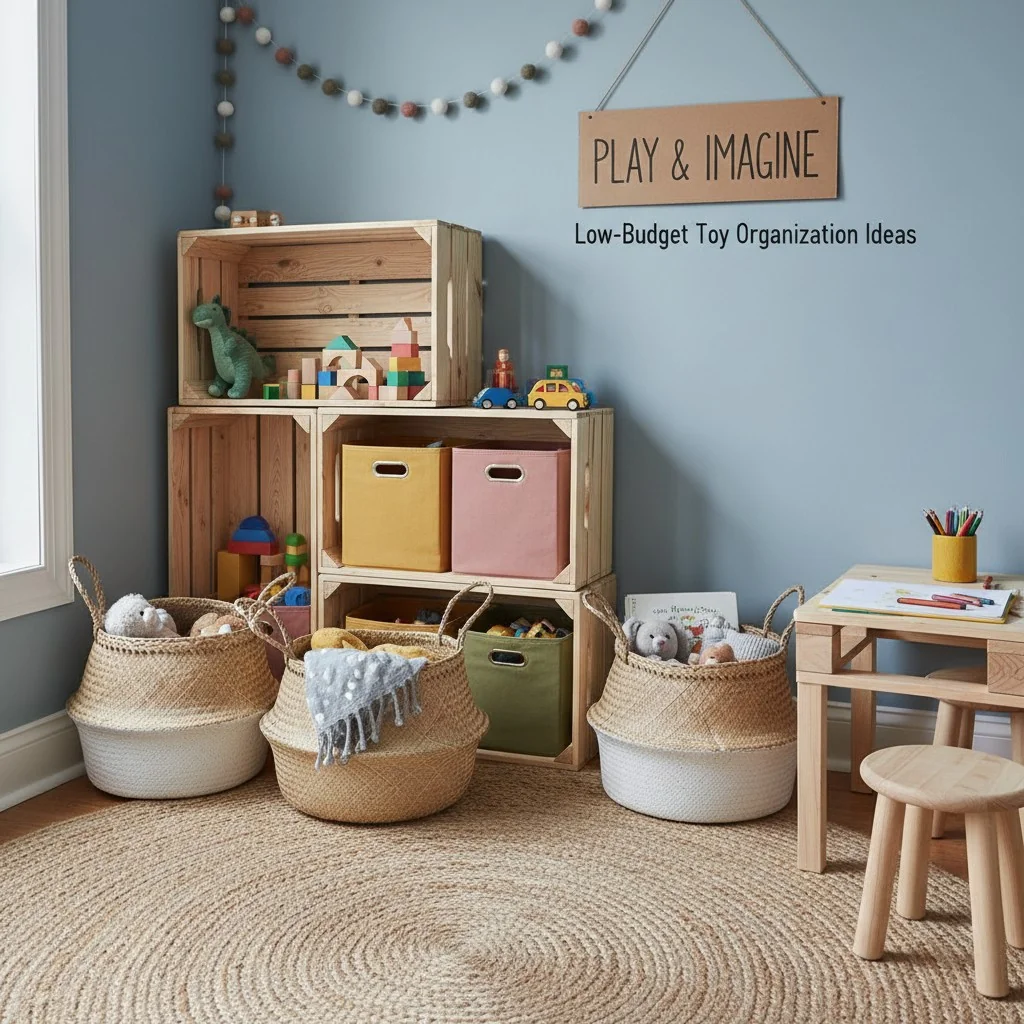
When we design a mold, every part has a purpose and a place. Efficiency is key. You can apply the same thinking to a playroom. You don't need a fancy, expensive system to create order. It's about creating a logical workflow for your child. When my kids were little, our first 'system' was just a set of labeled cardboard boxes. It wasn't pretty, but it was functional. It taught me that function over form is a great starting point, just like in early mold prototyping. You test the layout and see what works before committing to a final design.
Yi Tunani Kamar Mai Zane: Ƙayyade Yankunan
First, map out your space. Create zones for different activities: a reading nook, a building corner, an art station. This is like planning a factory floor for maximum efficiency. Each zone has its own dedicated tools and materials, which prevents everything from ending up in one giant pile.
Zaɓin kayan aiki akan kasafin kuɗi
You don't need to buy new. Look around your house for containers you can repurpose.
| Storage Solution | Approx. Cost | Durability | Designer's Note |
|---|---|---|---|
| Cardboard Boxes | Free | Low | Excellent for prototyping your layout. Easy to label and replace. |
| Fabric Totes/Bags | Low | Medium | Great for soft toys and items without sharp edges. Adds a soft texture. |
| Wicker Baskets | Low-Medium | Medium | Aesthetically pleasing but can be hard for small items. |
| Used Plastic Bins | Low | High | Very durable and stackable. Look for them at thrift stores. |
Ƙarfin Lakabi
Tsarin yana aiki ne kawai idan mutane sun san yadda ake amfani da shi. Ga yaran da ba su iya karatu ba tukuna, yi amfani da hotuna. Fitar da hoton abin wasan yara kuma a buga shi a kwandon shara. Wannan mataki mai sauƙi yana sa su sami ikon tsaftacewa da kansu.
Tsada masu tsada, tsarin ajiya na al'ada shine kawai hanyar da za a zauna cikin tsari.Na ƙarya
Amfanin tsarin ajiya yana dogara ne akan amfani da daidaito, ba farashinsa ba. Tsarin tsari mai sauƙi, mai kyau wanda yaro zai iya amfani da shi ya fi tsada, mai rikitarwa wanda ba za su iya sarrafawa ba.
Abubuwan wasan wasan motsa jiki na iya sa ƙaramin sarari ya ji girma da tsari.Na gaskiya
Ta hanyar adana wasu kayan wasan yara da musanya su lokaci-lokaci, kuna rage ɗumbin abubuwan da ake iya gani, sabunta sha'awar yaranku ga kayan wasan 'tsofaffin', da kuma sa aikin tsabtace yau da kullun ya fi dacewa.
Menene hanya mafi kyau don tsara kayan wasan yara?
Hargitsin abin wasan yara yana dawowa komai sau nawa ka tsaftace. Kuna ji kamar kullun kuna fada da rashin nasara. Kuna buƙatar tsarin da a zahiri yana aiki na dogon lokaci.
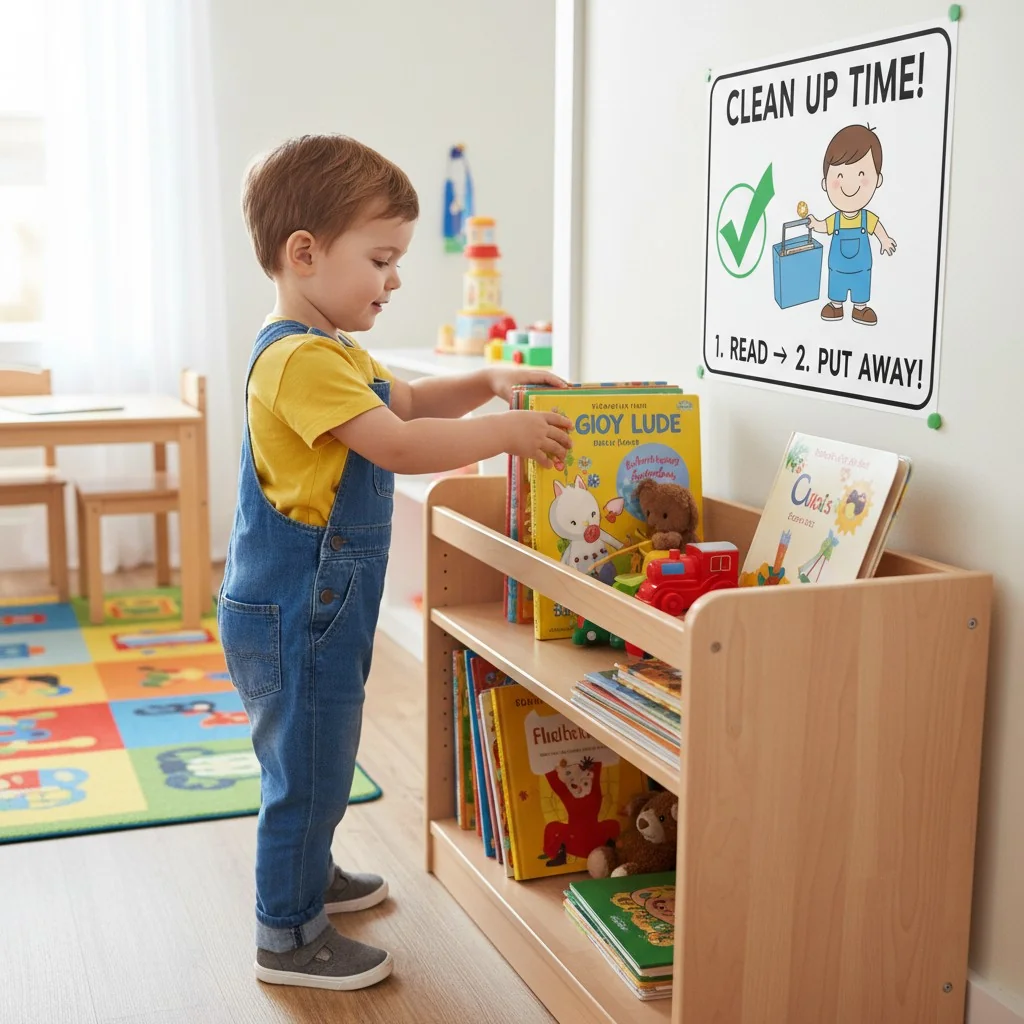
Hanya mafi kyau ita ce rarraba kayan wasan yara zuwa manyan kungiyoyi (misali, gini, fasaha, tsana, motoci). Yi amfani da buɗaɗɗiya ko buɗe sama don kowane rukuni kuma yi musu lakabi da hotuna. Ajiye su a kan ƙananan ɗakunan ajiya, don yara su iya samun su ajiye kayan wasan yara da kansu.
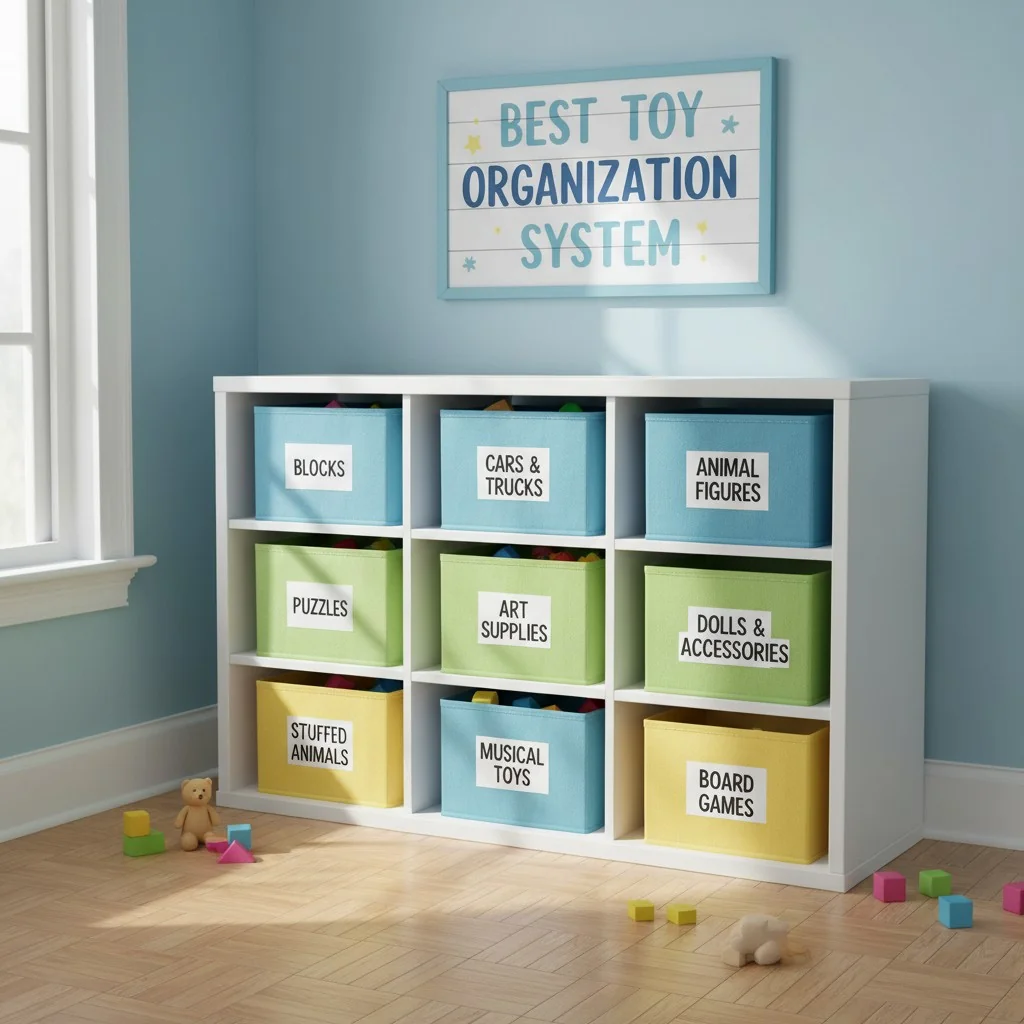
A cikin masana'anta, muna amfani da tsarin da ake kira 5S. Babbar ka'ida ita ce "wuri ga komai, da komai a wurinsa." This isn't just about being neat; it's about efficiency. It reduces search time and makes any process smoother. You can bring this exact industrial-strength principle into your playroom. When a child knows exactly where the LEGOs go, they spend less time searching and more time building. And when cleanup time comes, the task is clear and simple, not overwhelming. It transforms the room from a chaotic space into a functional workshop for play.
Step 1: The Great Toy Purge (Declutter)
Before you organize, you must simplify. Work with your child to go through all the toys. Get rid of anything broken, with missing pieces, or that they've outgrown. This is the hardest step, but it's the most important. A lean inventory is easier to manage.
Step 2: Categorize for Function
Group similar items together. Don't get too specific. Broad categories work best for kids.
| Category Method | Rabi | Fura'i | Mafi kyau ga |
|---|---|---|---|
| By Type | Intuitive for kids (all cars go here). | Can mix sizes and colors. | Most playrooms. It's the most logical system. |
| By Project | All items for one activity in one box. | Requires more setup. | Art supplies, science kits, specific building sets. |
| By Color | Visually appealing. | Not functional. Hard to find a specific toy. | A specific collection, like LEGOs, for advanced builders. |
Step 3: Design the Storage Interface
The "interface" is how your child interacts with the storage. Low, open shelves are best. Kids can see everything, which encourages them to play. It also makes it easy for them to put things back. Clear bins are also great because they eliminate guessing. The goal is to remove as much friction as possible from the process of playing and cleaning.
Organizing toys by color is the most effective method for kids.Na ƙarya
While it can look beautiful, organizing by color is often confusing for children. They think in terms of function ('I want a car'), not color. Grouping by type is far more practical for play and cleanup.
Low, open shelving encourages a child's independence.Na gaskiya
When children can see and reach their own toys without needing an adult's help, they are more likely to initiate play on their own and, just as importantly, put things back where they belong.
How can you make organizing toys a fun game for kids?
Cleanup time is a battle of wills you're tired of fighting. The nagging, the whining, the frustration—it's exhausting. You can turn this dreaded chore into a game your kids will actually want to play.
Make it a game! Use a timer and race to put toys away, play 'I Spy' for items to put back, or pretend to be a 'toy vacuum.' Using music, like a specific 'cleanup song,' also signals the transition and makes the task more enjoyable.
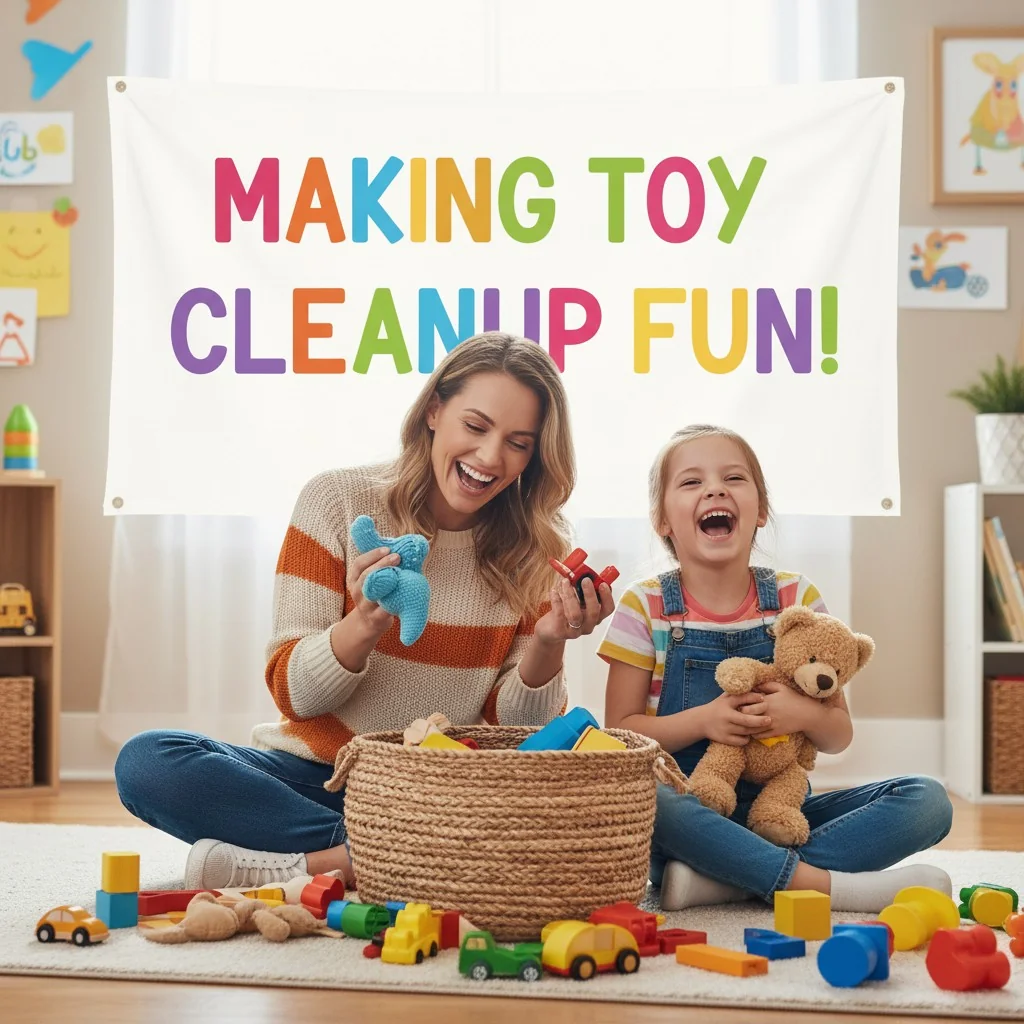
Lokacin da muka ƙirƙira samfur, muna tunanin ƙwarewar mai amfani, ko UX. Yana da sauƙin amfani? Yana jin daɗi? Za mu iya amfani da ƙa'idodin UX iri ɗaya don ayyukan ayyuka. Ga yaro, "mai amfani," aikin tsaftacewa yana da ban sha'awa kuma ba shi da wani sakamako mai kyau. By "gamfara" shi, mun sake tsara gwaninta don zama mai shiga da nishaɗi. Na kasance ina gaya wa ɗana cewa shi ne "ma'aikacin crane" kuma aikinsa shi ne ya ɗaga duka tubalan ya koma cikin "gidan gini," wanda shi ne kwandon wasan yara. Ta hanyar ba wa aikin labari da rawar da ya taka, ya daina zama abin sha'awa kuma ya zama kari na wasansa.
Gamification: The Cleanup Challenge
Wasa da ƙalubale ne ke motsa yara. Maimakon ya ce "ka tsaftace." Tace "Na tabbata ba za ku iya ajiye duk motocin ba kafin wannan waƙar ta ƙare!" or "Let's see who can find and put away five red things the fastest." This introduces a sense of urgency and fun that a simple command lacks. The goal is no longer a clean room (which a child doesn't care about) but winning the game.
User Feedback: Positive Reinforcement
In design, feedback tells the user they've done something right. For a child, this is praise. Instead of focusing on the one toy they missed, celebrate what they accomplished. "Wow, you put away all the dolls! That was so fast and helpful!" This positive feedback makes them feel competent and more willing to help next time.
Designing the 'Cleanup' Experience
Think of the whole process. A special song can be the "start button" for your cleanup game. A silly "I'm a toy-eating monster!" voice can make it hilarious. The reward at the end isn't just a clean room; it's the high-fives, the praise, and the fun you had doing it together. You're not just cleaning a room; you're creating a positive memory.
Kids are naturally lazy and just don't want to clean up.Na ƙarya
Kids are not motivated by chores; they are motivated by play and connection. If cleaning is framed as a boring, solitary task, they will resist. If it's presented as a fun, shared game, they are far more likely to participate willingly.
A consistent routine is the most important factor in making cleanup a habit.Na gaskiya
Doing a quick tidy-up at the same times each day (e.g., before lunch, before bedtime) creates a predictable structure. Children learn to expect it, which reduces resistance and helps build a lifelong habit.
How do you get a child to pick up toys without nagging them?
You ask them to clean up, and it's like you're invisible. The request hangs in the air, ignored. The constant nagging is exhausting for you and frustrating for them.
Instead of a vague 'clean your room,' give small, specific instructions like, 'Please put all the red blocks in the basket.' Use 'when/then' statements, such as 'When the cars are put away, then we can read a story.'
In my work, clear communication is everything. If I give a designer vague feedback like "make the mold better," nothing will get done. It's not actionable. But if I say, "Increase the draft angle by 1 degree to improve part ejection," they know exactly what to do. It's the same with kids. "Clean your room" is a huge, overwhelming project with no clear starting point. It's the kid equivalent of "make it better." But "put the books on the shelf" is a clear, achievable task. Breaking down a large project into small, manageable steps is a fundamental principle of project management, and it works just as well in the playroom as it does in the factory.
The Power of Specificity
A child's brain can get overwhelmed by multi-step commands. A messy room looks like an impossible task. Don't give a command; give a mission.
- Instead of: "Clean up all these toys."
- Try: "Your mission is to rescue all the stuffed animals and get them back to their home in the basket."
The 'When/Then' Framework
This is a simple but powerful tool. It connects the task you want them to do with something they want to do. It's not a bribe, but a statement of sequence.
- Instead of: "If you clean your room, you can have a snack." (This sounds like a negotiation).
- Try: "When your puzzle is back in the box, then it's time for our snack." (This is a simple fact).
Teamwork Makes the Dream Work
Sometimes, the barrier is simply inertia. Getting started is the hardest part. Instead of giving orders from the doorway, get down on the floor for a few minutes and start with them. Say, "I'll pick up the blocks while you pick up the cars." Often, your participation is all the motivation they need to get going. It shows them you're a team.
Threatening punishment is the fastest way to get kids to clean.Na ƙarya
While fear can produce short-term compliance, it creates a negative association with the task and damages your connection. It fails to build the internal motivation and cooperation needed for long-term habits.
Working alongside your child for 5 minutes is more effective than nagging for 15 minutes.Na gaskiya
Children learn by imitation and are more motivated when they feel like part of a team. Your presence and participation turn a lonely chore into a shared activity, making them far more cooperative.
Ƙarshe
Choosing quality toys and creating an organized space is like good design. It requires thought. By applying principles of efficiency and clear communication, you can create a playroom that fosters creativity and peace.
Magana
[^1]: Learn about the significance of non-toxic materials in ensuring children's safety.
