
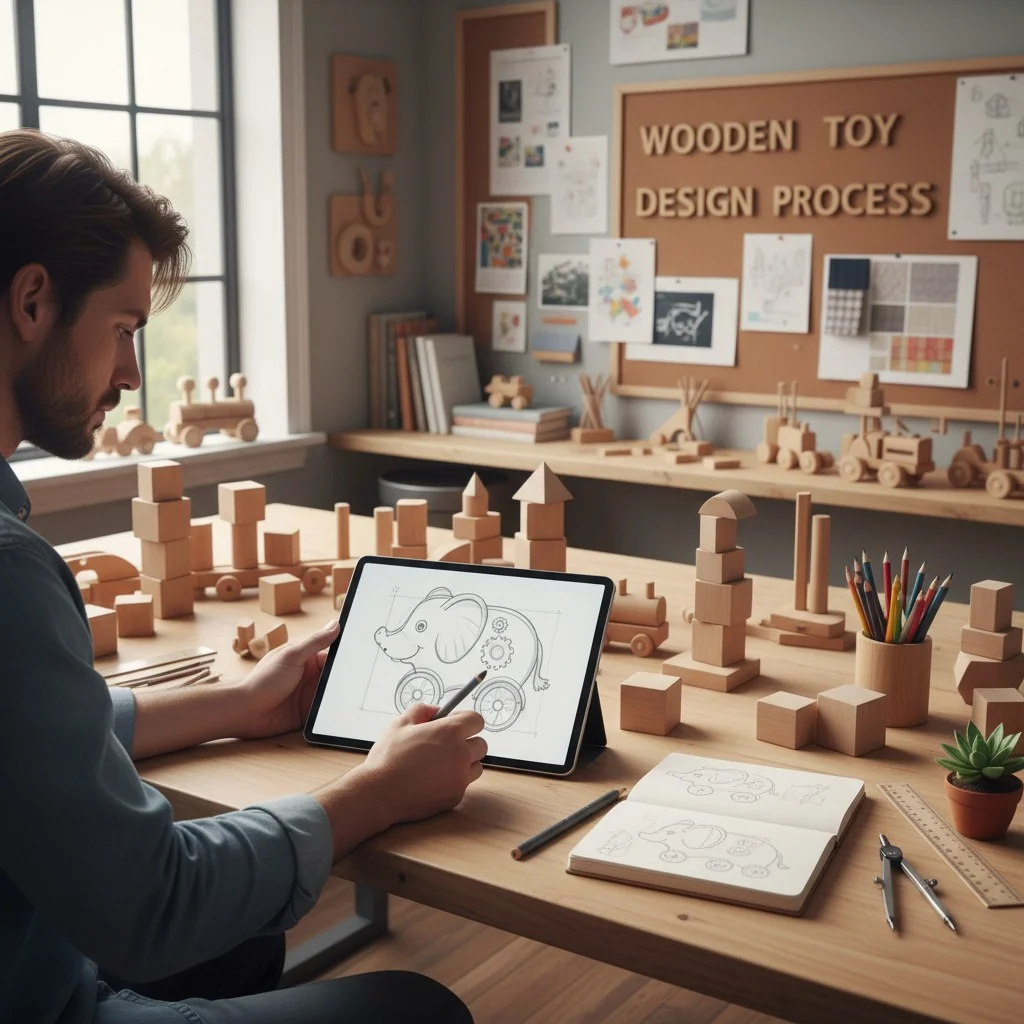
ʻO ka hoʻokō ʻana i kāu manaʻo pāʻani lāʻau i ke ola. ʻO ka hana ʻana ma waho e hoʻohui i nā pilikia o ka maikaʻi ʻole a me ka lohi. E hōʻike wau iā ʻoe pehea e hoʻokele pono ai i kēia kaʻina hana.
ʻO ke ala maikaʻi loa e hoʻomohala ai i kahi pāʻani lāʻau ma o ka hui pū ʻana me kahi mea hana akamai[^1]. Pono lākou e alakaʻi iā ʻoe mai ka hoʻolālā a me ka prototyping i ke koho ʻana i nā mea waiwai, ka hoʻāʻo palekana, a me ka hoʻouna hope ʻana. ʻO kēia ka mea e hōʻoia ai i kāu mea pāʻani he kiʻekiʻe, palekana, a me ke kumu kūʻai.
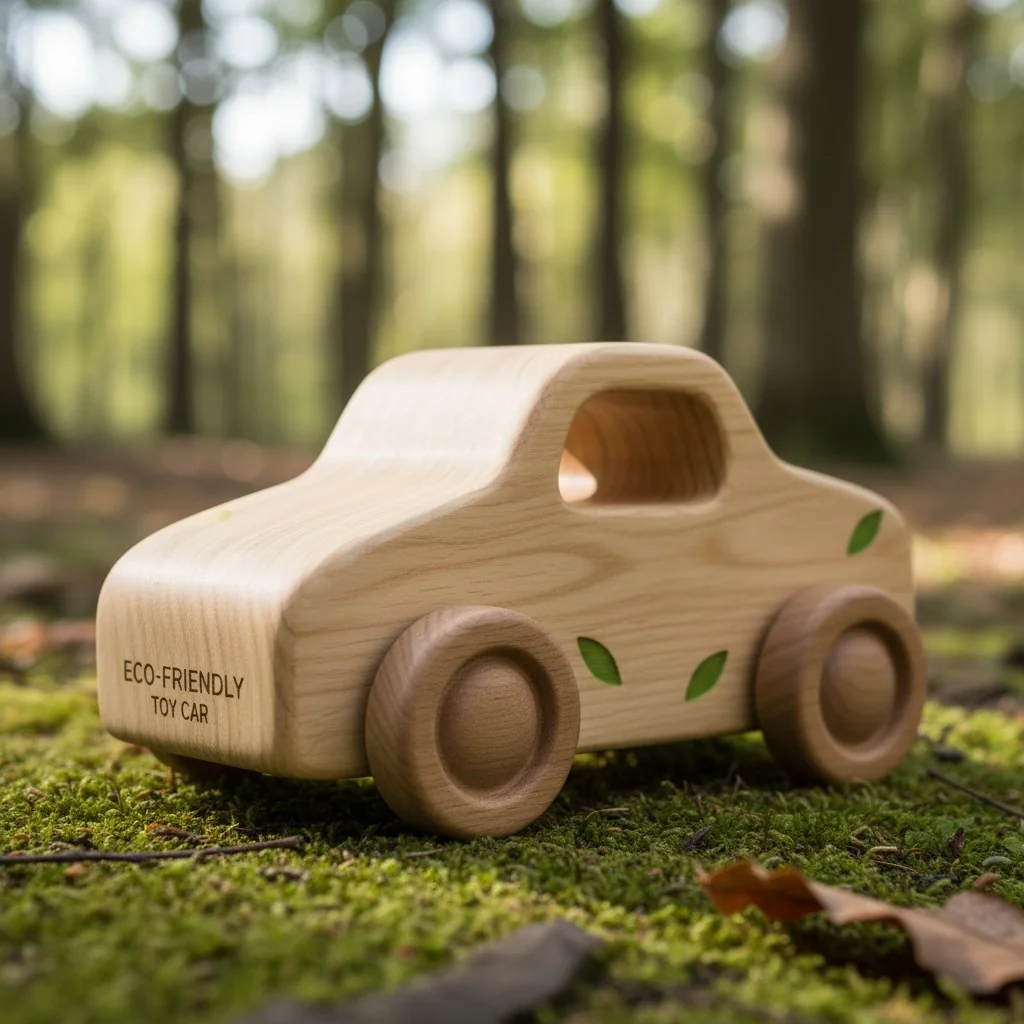
I koʻu hoʻomaka mua ʻana i ka ʻoihana poni a me ka ʻoihana hana, ua ʻike au i hāʻule nā manaʻo nui he nui. ʻAʻole lākou i hāʻule no ka hewa o ka manaʻo, akā no ka hewa o ka hoʻokō. ʻO ka huakaʻi mai kahi kiʻi kiʻi maʻalahi i nā lima o ke keiki ua piha i nā luʻi, ʻoi aku me nā mea kūlohelohe e like me ka lāʻau. Pono ʻoe i kahi palapala alanui maopopo. I loko o koʻu mau makahiki he 15 ma kēia ʻoihana, ua aʻo au i ka ʻike a me waho o ka hoʻololi ʻana i nā manaʻo i ʻoiaʻiʻo, a makemake wau e kaʻana like i kēlā ʻike me ʻoe. E wehewehe mākou pehea ʻoe e hoʻomohala ai i kāu pāʻani lāʻau, i kēlā me kēia pae.
'O nā mea pā'ani lā'au a pau he 'ano kūlohelohe.He wahahee
Not all wood is sourced sustainably. Look for certifications like FSC (Forest Stewardship Council) to ensure the material is from responsibly managed forests. The paints and finishes used must also be non-toxic.
China is a leading global manufacturer of wooden toys.ʻOiaʻiʻo
China has a massive and well-established manufacturing infrastructure for toys, including a deep supply chain for various types of wood, hardware, and packaging, offering significant cost and production advantages.
How does wooden toy research and development work?
You have a brilliant idea for a toy, but turning it into a physical product is a huge challenge. The research and development (R&D) process seems complex and expensive.
wooden toy R&D[^2] he kaʻina hana. Hoʻomaka ia me kāu manaʻo a neʻe i ka sketching, 3D modeling, material selection, and prototyping. ʻO ka pahuhopu ka hana ʻana i kahi pāʻani leʻaleʻa, palekana, a maʻalahi hoʻi e hana.
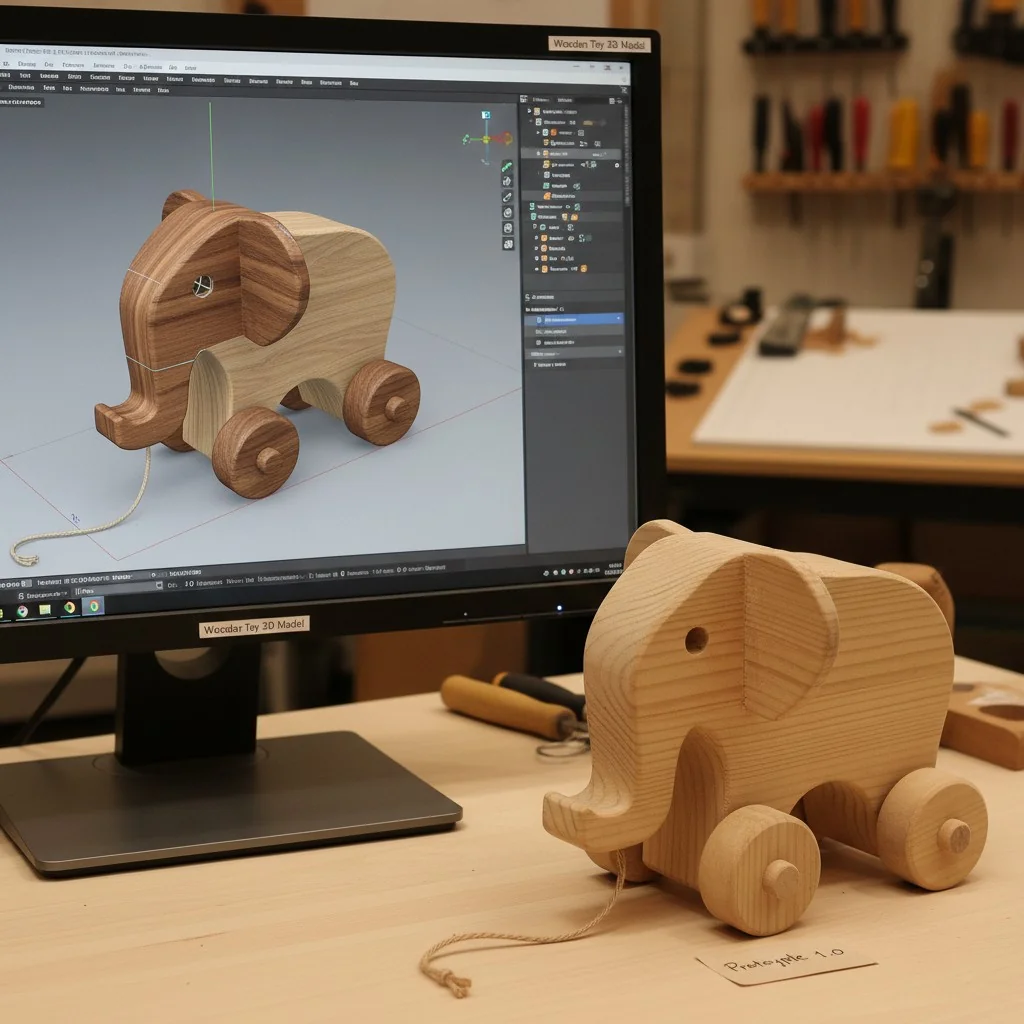
ʻO ka R&ʻO ka pae D kahi e hana ai kou manaʻo. ʻO ia ka pae koʻikoʻi no ka hoʻoponopono pono ʻana. Hiki i kekahi hoa maikaʻi ke hāʻawi pinepine i ke kākoʻo hoʻolālā manuahi e kōkua i ka hoʻomaʻemaʻe i kāu manaʻo. Ua kōkua au me kaʻu hui i nā mea kūʻai he nui ma kēia. Kūleʻa mākou i kekahi mau ʻanuʻu koʻikoʻi e hōʻoia i ka hana maʻalahi.
1. Manaʻo a me ke kiʻi kiʻi
Hoʻomaka nā mea a pau me kāu ʻike. Hoʻomaka mākou ma ka hana ʻana i nā kiʻi kikoʻī. Kōkua kēia iā mākou e ʻimi i nā hoʻolālā like ʻole a me nā hiʻohiʻona pāʻani. Manaʻo mākou e pili ana i ka pūʻulu makahiki i manaʻo ʻia a pehea e launa pū ai ke keiki me ka mea pāʻani. ʻO kēia ke ala maʻalahi a wikiwiki hoʻi e hana i nā loli ma mua o ka hana ʻana i kahi kumu hoʻohālike kino.
2. Hoʻohālike 3D a me ka Prototyping
Ke ʻae ʻia ke kiʻi kiʻi, hana mākou i kahi hoʻohālike kikohoʻe 3D. Hiki iā ʻoe ke ʻike i ka pāʻani mai kēlā me kēia kihi. Hiki iā mākou ke nānā i nā hemahema o ka hoʻolālā. Ma hope o ka pau ʻana o ke ʻano 3D, hana mākou i kahi prototype kino. ʻO ka paʻa ʻana i ka prototype ma kou mau lima he mea hoʻololi pāʻani. Hiki iā ʻoe ke hoʻāʻo i kona manaʻo, kaulike, a me kāna hana.
3. Nānā Mea a me ka palekana
We analyze the best materials for your toy. For wooden toys, this is crucial. We consider durability, appearance, and cost. We also ensure all materials, especially paints and finishes, are non-toxic and safe for children.
| ʻAno lāʻau | Nā ʻano nui | Pono No |
|---|---|---|
| Beech | Hard, durable, smooth grain | Blocks, vehicles, high-impact toys |
| Birch | Strong, fine-grained, cost-effective | Puzzles, smaller toys, painted items |
| Pine | Soft, lightweight, visible grain | Larger, simpler items, rustic look |
3D printing is useless for wooden toy prototyping.He wahahee
While not made of wood, 3D-printed prototypes are incredibly useful and cost-effective for checking the size, shape, and assembly of a design before committing to more expensive wood CNC machining or hand-carving.
The choice of paint is as important as the choice of wood for toy safety.ʻOiaʻiʻo
Toys for children must use non-toxic, water-based paints that comply with international safety standards like ASTM F963 and EN-71, which test for lead and other harmful heavy metals.
What's the ultimate guide to buying wooden toys in China?
You know manufacturing in China can save you money. But finding a trustworthy partner who delivers on time and meets your quality standards feels like finding a needle in a haystack.
The key is to partner with a manufacturer offering full-service OEM (Original Equipment Manufacturer) and ODM (Original Design Manufacturer) capabilities. Look for a proven track record, transparent communication, and robust mana maikaʻi[^3] systems to guide you from start to finish.
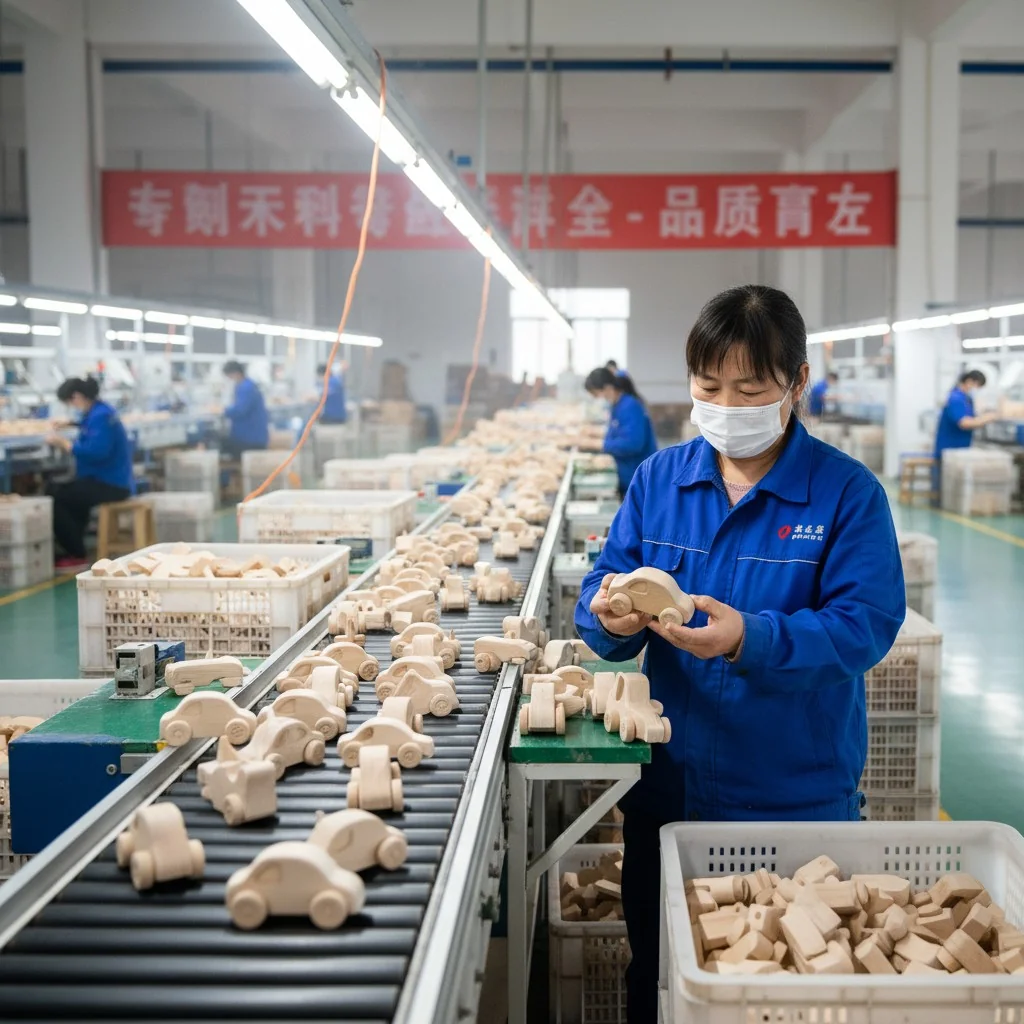
Ua kūkulu au i kaʻu hui ma ka hoʻopili ʻana i nā mea kūʻai aku me nā hale hana kūpono ma Kina. ʻAʻole ʻo ka mea huna wale nō ka loaʻa ʻana o ke koho haʻahaʻa loa. E pili ana i ka loaʻa ʻana o kahi hoa hilinaʻi e hoʻomaopopo i kāu ʻike a mālama i kāu mau pono. Me na makahiki he 15 oi OEM a me ODM[^4] ʻike, ua aʻo au i ka mea e hoʻokaʻawale ai i nā mea hoʻolako nui mai nā mea ʻē aʻe. ʻO kahi hoa hana maikaʻi e hoʻonui i kāu hui. Hāʻawi lākou i nā lawelawe pilikino e hoʻomaʻemaʻe i ke kaʻina hana.
1. E nānā i kāu hoa: OEM vs. ODM
- OEM: Hāʻawi ʻoe i ka hoʻolālā piha, a na ka hale hana hana ia no ʻoe. Hāʻawi kēia iā ʻoe i ka mana hoʻomohala piha.
- ODM: Koho ʻoe i kahi hoʻolālā i hana mua ʻia mai ka papa inoa o ka hale hana a hoʻopilikino me kāu hōʻailona. ʻOi aku ka wikiwiki a koi ʻia ka liʻiliʻi o R&D hoʻokomo kālā.
Hāʻawi kekahi hoa nui i nā mea ʻelua. Hiki iā lākou ke hana i kāu hoʻolālā kūʻokoʻa a kōkua paha iā ʻoe e hoʻololi i kekahi o kā lākou mau mea i loaʻa. E noi i kā lākou kōpili a me nā mea kūʻai mai.
2. ʻO ke kamaʻilio ka mea a pau
Hiki ke hoʻopilikia nui ʻia nā pilikia nui o ka ʻōlelo a me nā ʻokoʻa manawa. Pono kāu hoa hana i hoʻolaʻa ʻia, ʻōlelo Pelekania. Pono lākou e hāʻawi i nā mea hou a pane i kāu mau nīnau. ʻO ke kamaʻilio maʻemaʻe a paʻa ke kumu no ka lawe ʻana i ka manawa.
3. E koi i ka Mana Mana
ʻAʻole maikaʻi kahi mea āu e nānā ai ma ka hopena. Pono e kūkulu ʻia i kēlā me kēia pae o ka hana.
| Hana Hana | ʻO ka Mana Hoʻopaʻa Pono |
|---|---|
| Mea Maka | E nānā i ka lāʻau no ka makū, nā māwae, a me nā puʻupuʻu. E hōʻoia i nā palapala palekana pena. |
| I ka wā hana | E nānā i ka nui, ka maʻalahi, a me ka hui ʻana o nā ʻāpana semi-hoʻopau. |
| Hui Hope | E hana i kahi 100% nānā no nā hemahema, hana, a me ka pololei o ka pahu. |
| Hoʻouna mua | Hana i kahi nānā hope loa (AQL) e hōʻoia i ka hui holoʻokoʻa i nā kūlana. |
Pono ʻoe e koho mau i ka hale hana me ke kumu kūʻai haʻahaʻa loa.He wahahee
ʻO ke kumu kūʻai haʻahaʻa e hele pinepine mai me nā kumukūʻai huna, e like me ka maikaʻi ʻole, ka lohi o ka hana ʻana, a i ʻole nā mea palekana. ʻO ke kumukūʻai kiʻekiʻe aʻe mai kahi mea hana kaulana he hoʻopukapuka i ka hilinaʻi a me ka palekana.
ʻO kahi hale hana me ka mōʻaukala lōʻihi o nā papahana ODM he hōʻailona maikaʻi.ʻOiaʻiʻo
Extensive ODM experience means the factory understands product design, market trends, and safety compliance. They have proven designs that can be quickly adapted for your brand, reducing your R&D risk and time to market.
How can you cut down wooden toy costs without sacrificing quality?
Your budget is tight. High manufacturing costs can stop your project before it even starts. You're worried that cutting costs means you'll end up with a cheap, low-quality product.
You can lower costs by optimizing your design for manufacturing (DFM), choosing cost-effective materials[^5], and leveraging economies of scale. A good manufacturing partner will help you find these savings without compromising the toy's safety or appeal.
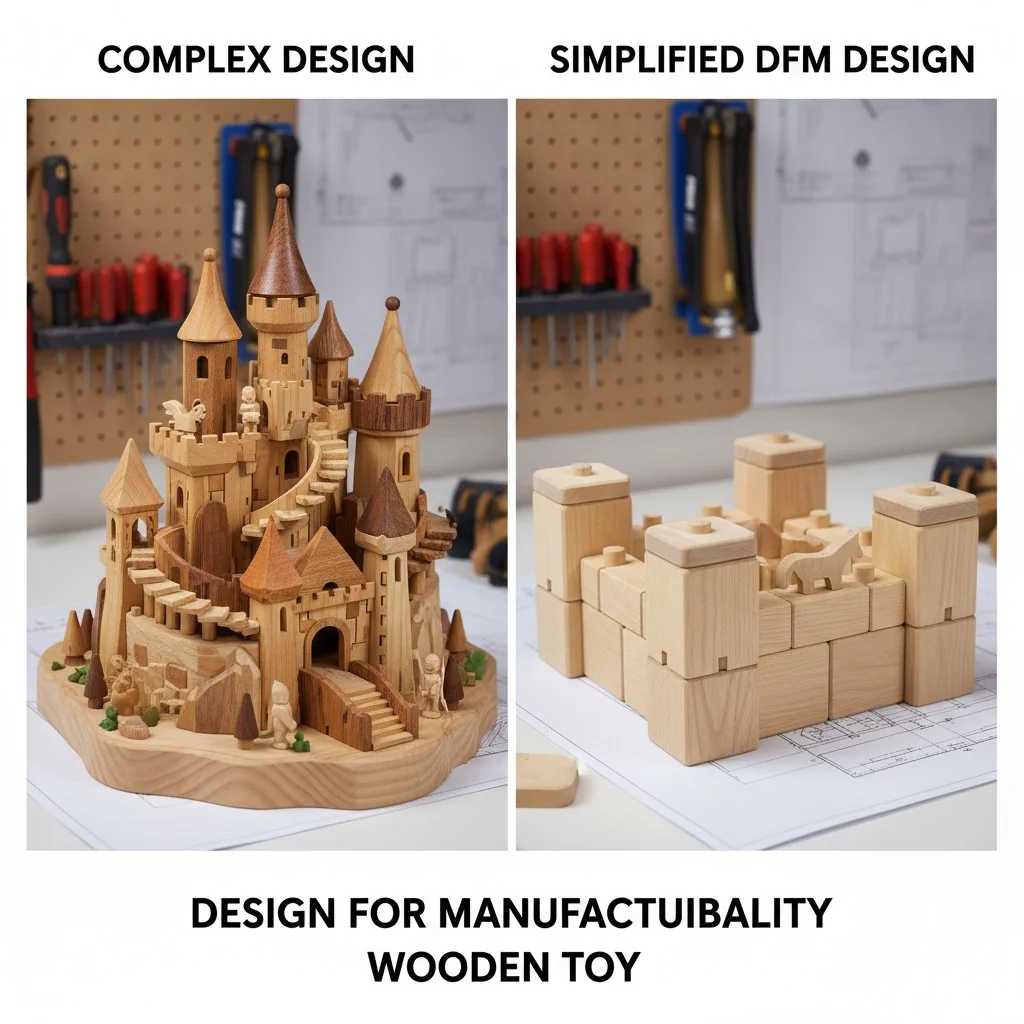
Every designer, including experienced ones like Jacky, faces pressure to reduce costs. In my trading business, helping clients manage their budget was a huge part of my job. It's a balancing act. You want a great product, but it has to be profitable. The good news is there are smart ways to cut costs. It's not about being cheap; it's about being efficient.
1. Hoʻolālā no ka Hana Hana (DFM)
This is the most effective way to reduce costs. Small changes in your design can have a big impact on production time and material waste.
- Simplify Shapes: Complex curves and intricate cuts require more time on CNC machines. Simplifying shapes can drastically lower machining costs.
- Reduce Parts: Can two parts be combined into one? Fewer parts mean less assembly time and lower labor costs.
- Standardize Components: Using standard-sized dowels or wheels is cheaper than creating custom ones.
2. Smart Material and Packaging Choices
While premium wood like Beech is excellent, sometimes Birch or even high-quality plywood is a better choice for certain parts to manage costs. Your packaging is another area to save. A well-designed but simple cardboard box is often more cost-effective and eco-friendly than complex plastic packaging. We offer a wide selection of toys and packaging options to fit your budget.
3. Leverage Economies of Scale
The per-unit cost of a toy goes down as your order quantity goes up. This is because the factory's setup costs are spread across more units.
| Order Quantity | Price Per Unit (Example) |
|---|---|
| 500 units | $10.00 |
| 1,000 units | $8.50 |
| 3,000 units | $7.00 |
| 5,000 units | $6.25 |
Planning for a larger production run, if possible, is one of the most direct ways to lower your cost per toy.
Using cheaper, softer wood is always a good way to save money.He wahahee
While softer woods like pine are less expensive, they are also less durable and can dent or splinter easily. This can lead to safety issues and a poor customer experience, making it a bad choice for high-impact toys.
Reducing the amount of paint on a toy can lower its cost.ʻOiaʻiʻo
Paint and the labor to apply it are significant costs. Designing a toy that showcases the natural wood grain with minimal painted areas can reduce expenses while also creating a desirable, eco-friendly aesthetic.
What tests and factory audits are necessary for wooden toys?
You're worried about safety. A recall or, worse, a child getting hurt by your product would be devastating for your business and reputation. Navigating international nā kūlana palekana[^6] seems impossible.
Your toys must pass safety tests for standards like ASTM F963 (USA) and EN71 (Europe). Your factory should have social compliance audits like BSCI and quality management certifications like ISO 9001. This ensures your product is both safe and ethically made.
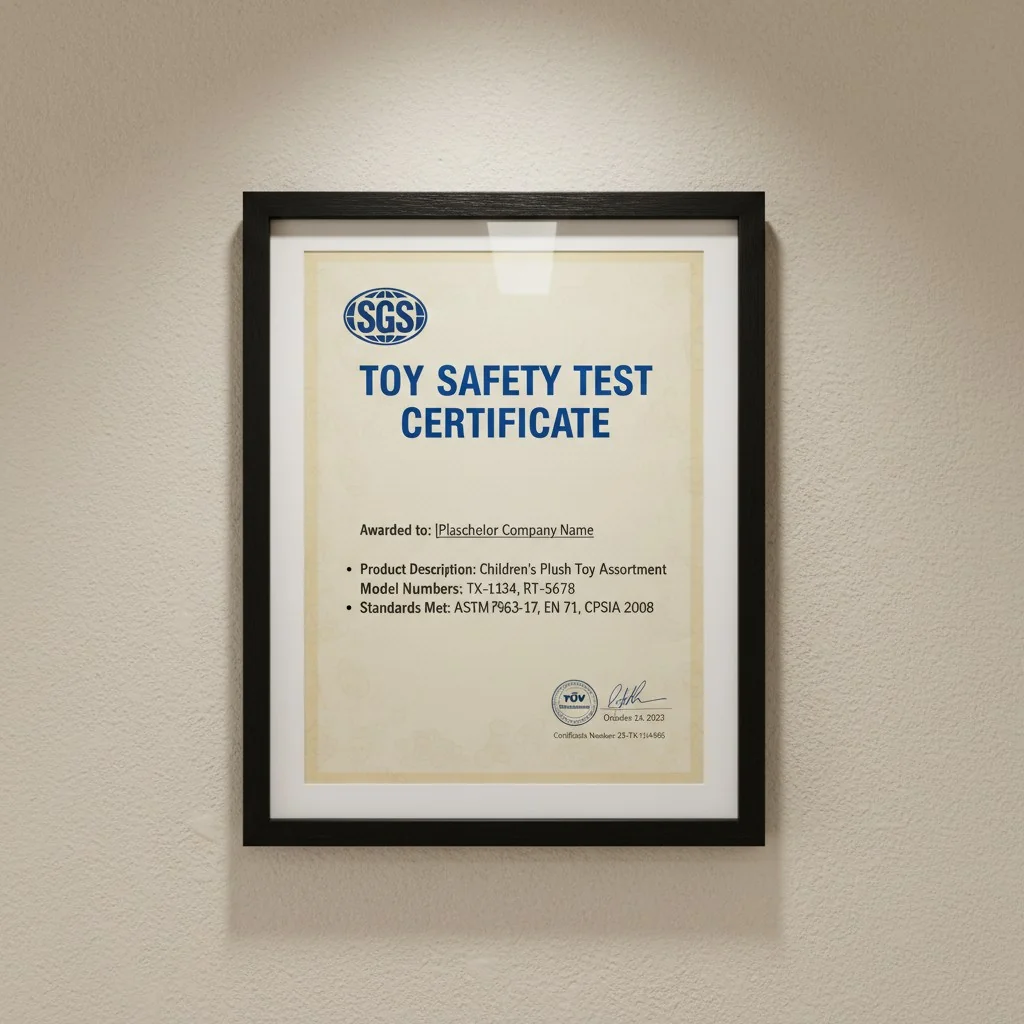
This is non-negotiable. In my career, I've seen companies ruined by cutting corners on safety. That's why we have built close partnerships with top testing labs like SGS, TUV, and Intertek. These partnerships are not just a logo on our website; they are a core part of our process. We manage the entire testing process for our clients to guarantee every product we ship is safe.
1. Key Toy Safety Standards
These standards are legal requirements in their respective markets. They cover a wide range of potential hazards.
- ASTM F963 (USA): Covers physical and mechanical properties (like small parts and sharp edges), flammability, and chemical content (especially lead and heavy metals).
- EN71 (Europe): Similar to ASTM but with some different requirements. It's a series of standards covering everything from mechanical properties to chemical safety and flammability.
2. Important Factory Audits
Audits tell you about the factory's operations and ethics.
- BSCI (Business Social Compliance Initiative): This audit focuses on ethical and social issues, like fair wages, working hours, and workplace safety. It shows the factory treats its workers fairly.
- ISO 9001: This is a certification for quality management systems. It proves the factory has reliable processes for consistently producing high-quality products.
3. Common Tests Performed by Labs
Third-party labs provide unbiased proof that your toy is safe.
| Test Category | What It Checks For |
|---|---|
| Physical & Mechanical | Small parts (choking hazard), sharp points, sharp edges, drop tests. |
| Chemical | Levels of lead, phthalates, and other heavy metals in paints and materials. |
| Ka hikiwawe | How quickly the material catches fire and burns. |
A factory audit certificate is valid forever.He wahahee
Factory audits like BSCI and ISO 9001 are only valid for a specific period, typically one to three years. You must always check the expiration date on the certificate to ensure it is current.
Passing safety tests in one country means the toy is safe to sell worldwide.He wahahee
Different regions have their own specific safety standards. A toy that passes ASTM F963 for the US market must still be tested against EN71 to be sold legally in Europe.
Ka hopena
Developing a wooden toy is a detailed journey. With the right knowledge and a reliable manufacturing partner, you can confidently turn your vision into a safe, high-quality, and successful product.
Nā kuhikuhi
[^1]: Discover how an experienced manufacturer can streamline your wooden toy development process and ensure quality.
[^2]: Learn about the structured R&D process for wooden toys and how it can help bring your ideas to life.
[^3]: Find out how effective quality control measures can prevent defects and ensure product safety.
[^4]: Get insights into OEM and ODM manufacturing options and how they can impact your toy design process.
[^5]: Learn about materials that balance cost and quality for producing wooden toys without compromising safety.
[^6]: Understand the various safety standards that wooden toys must comply with to be sold globally.
