
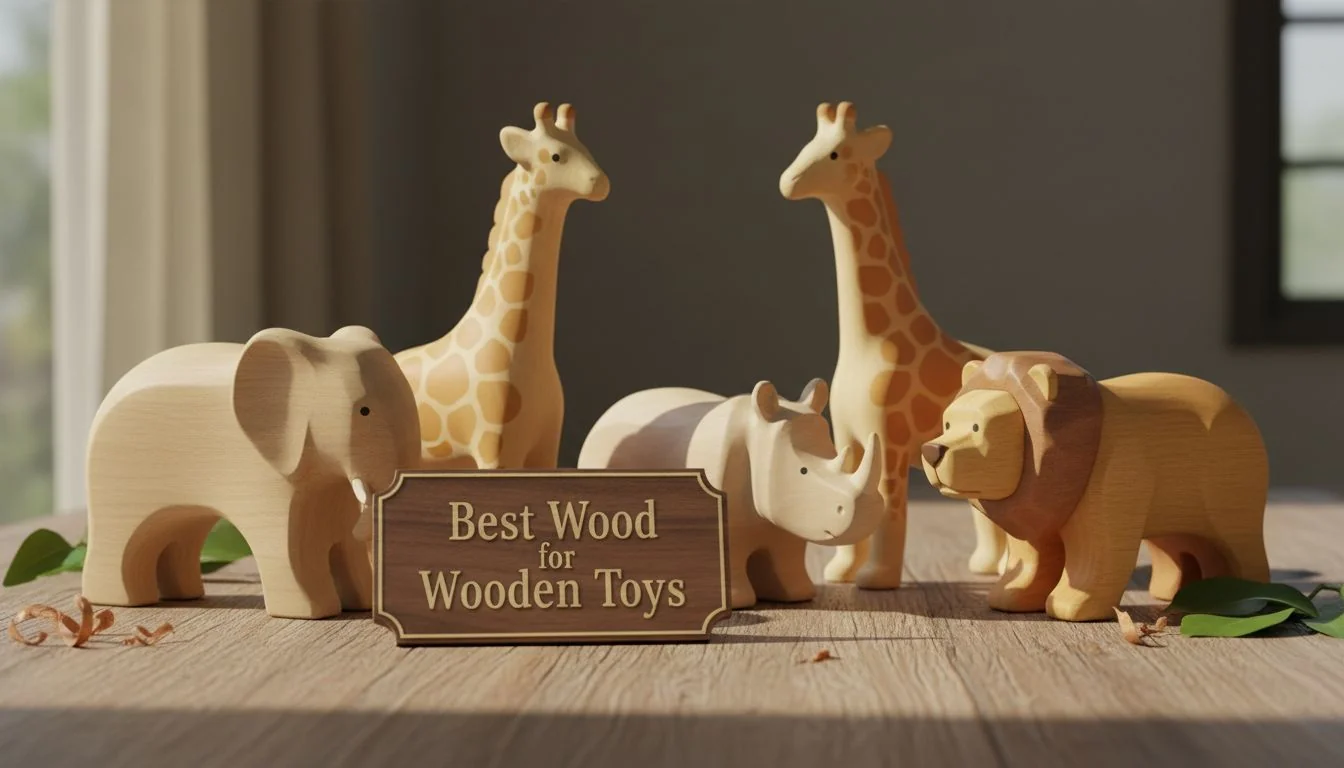
खिलौने के लिए गलत लकड़ी चुनने से छींटे पड़ सकते हैं और सुरक्षा को खतरा हो सकता है। यह आपके ब्रांड की प्रतिष्ठा को नुकसान पहुंचा सकता है और इसके परिणामस्वरूप महंगा रिकॉल हो सकता है, जो एक महान विचार को दायित्व में बदल सकता है।
खिलौनों के लिए सबसे अच्छी लकड़ियाँ कठोर, बिना टूटने वाली और होती हैं गैर विषैले दृढ़ लकड़ी[^1] मेपल, बीच और बिर्च की तरह। ये लकड़ियाँ टिकाऊ होती हैं, इनकी फिनिश चिकनी होती है, और कठिन खेल का सामना कर सकती हैं, जिससे यह सुनिश्चित होता है कि अंतिम उत्पाद बच्चों के लिए सुंदर और सुरक्षित दोनों है।
मैंने अपना करियर ज्यादातर सांचों और प्लास्टिक के निर्माण में बिताया है। लेकिन मूल सिद्धांत हमेशा समान होते हैं, चाहे आप प्लास्टिक इंजेक्ट कर रहे हों या लकड़ी पर नक्काशी कर रहे हों। यह सब काम के लिए सही सामग्री चुनने पर निर्भर करता है। मैंने विशेष परियोजनाओं पर वोडलॉन जैसे साझेदारों के साथ काम किया है, और मैंने पहली बार देखा है कि कैसे सामग्री का चुनाव किसी उत्पाद को बनाता या बिगाड़ता है, खासकर बच्चों के लिए। आपको सुरक्षा, टिकाऊपन और इस दौरान सामग्री कैसे व्यवहार करेगी, इसके बारे में सोचने की ज़रूरत है बड़े पैमाने पर उत्पादन[^2]. आइए देखें कि मैं इस तक कैसे पहुंचता हूं, ताकि आप अपने अगले प्रोजेक्ट के लिए सही निर्णय ले सकें।
बच्चों के खिलौने बनाने के लिए सभी सॉफ्टवुड असुरक्षित हैं।असत्य
While many softwoods like pine can dent and splinter easily, some, like Poplar, are soft but have a uniform texture and are considered safe when properly finished. The key is hardness and splinter resistance, not just the 'softwood' or 'hardwood' category.
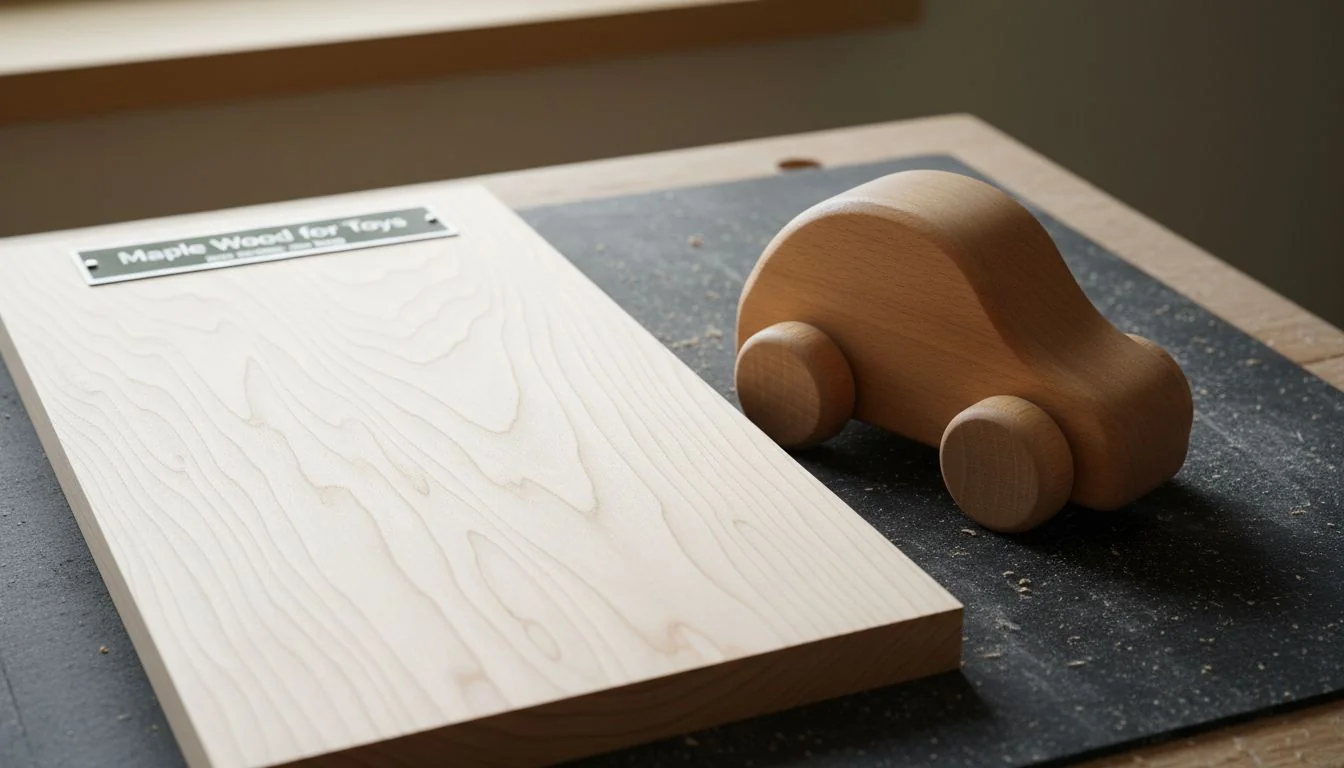
Maple wood is one of the hardest domestic woods, making it extremely durable for toys.सत्य
With a Janka hardness rating of around 1,450 lbf, Hard Maple is exceptionally resistant to dents and wear, which is why it's a top choice for items like wooden blocks, cars, and other toys that see heavy use.
How Do You Choose the Best Wood for a Custom Wooden Toy?
एक अनोखा कस्टम खिलौना डिज़ाइन करना रोमांचक है, लेकिन आपकी सामग्री का चुनाव महत्वपूर्ण है। एक ख़राब विकल्प एक बेहतरीन डिज़ाइन को कमजोर कर सकता है, जिससे ऐसा उत्पाद बन सकता है जो टूट जाता है या सस्ता लगता है।
एक कस्टम खिलौने के लिए, आपको अन्य सभी चीज़ों से ऊपर सुरक्षा और स्थायित्व को प्राथमिकता देनी चाहिए। सबसे अच्छी लकड़ी घनी दृढ़ लकड़ी होती है जो बिखरती नहीं है, प्राकृतिक रूप से गैर-विषाक्त होती है, और इसे बहुत चिकनी फिनिश तक रेत दिया जा सकता है। इन कारणों से मेपल और बीच मेरी पसंदीदा सिफारिशें हैं।

When a client comes to me with a unique toy design, we break down the wood selection process into three key areas. It’s not just about what looks good; it’s about what performs best and keeps kids safe. I remember a project for a set of custom alphabet blocks. The client was leaning towards a cheaper wood to save on initial costs. I showed them a sample of that wood next to a piece of hard maple. The difference in weight, feel, and finish was obvious. We discussed how the maple would resist dents from being thrown and wouldn't risk splintering. They agreed to the maple, and the final product was a huge success that passed every safety certification[^3] with ease.
Key Factors for Custom Toys
Here’s how we evaluate the options:
- सुरक्षा: The wood must be non-toxic. Avoid woods that can cause allergic reactions or contain natural toxins. It also needs to be splinter-resistant. A child's safety is the number one priority.
- Durability: Custom toys are often cherished for years. The wood should be hard enough to resist dents, scratches, and breakage from drops and rough play. This is where the Janka hardness scale[^4] is a useful guide.
- Finish and Feel: The wood should sand to a silky-smooth finish to be safe for little hands. The grain pattern and color also contribute to the toy's final look and feel, which is a big part of a custom product's appeal.
Here is a simple table to compare some common choices:
| लकड़ी का प्रकार | Safety (Splinter Risk) | Durability (Janka Hardness) | Finish Quality | के लिए सर्वोत्तम |
|---|---|---|---|---|
| मेपल | Very Low | High (1450 lbf) | उत्कृष्ट | Blocks, cars, teething toys, puzzles |
| बीच | Very Low | High (1300 lbf) | उत्कृष्ट | Building blocks, figures, rattles |
| सन्टी | कम | Medium (1260 lbf) | Very Good | Puzzles, smaller painted toys |
| चीड़ | उच्च | Low (380 lbf) | Fair | Not recommended for unpainted toys |
| Oak | Medium (Porous) | High (1360 lbf) | अच्छा | Not ideal due to large, open pores |
Oak is a great choice for toys because it is a hardwood.असत्य
Although Oak is very hard and durable, its large, open grain (pores) can trap dirt and bacteria, making it less ideal for toys that children might put in their mouths. Woods with a closed, tight grain like Maple are more hygienic.
Beech wood is naturally anti-bacterial.सत्य
Studies have shown that wood, including Beech, has natural antimicrobial properties that can kill bacteria on its surface, making it an excellent and hygienic choice for children's toys.
How Do You Choose Wood for Bulk Production?
Moving from a single prototype to thousands of units changes everything. Suddenly, cost, consistency, and machinability become just as important as the wood's physical properties. You need a strategy.
For bulk production, you need a wood that is not only safe and durable but also readily available, cost-effective, and easy to machine. This balance ensures you can scale up production without sacrificing quality or breaking the budget. Birch and Beech often hit this sweet spot.
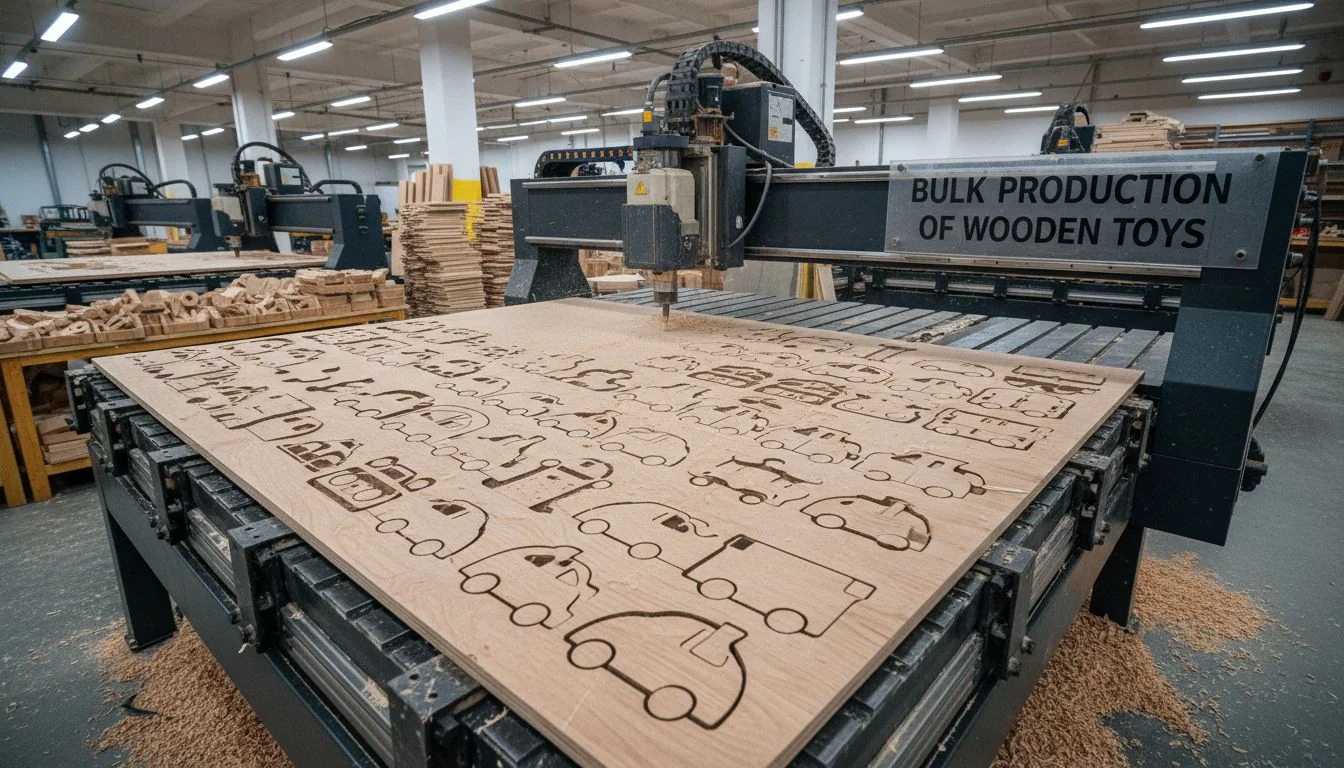
When you're making thousands of something, small details create big problems. As a product designer like Jacky knows, optimizing for large-scale production is a different game. You can't just pick the fanciest wood. You have to think like a factory manager. Is the wood available in the quantities I need, year-round? Is the quality consistent from one batch to the next? How quickly will this wood wear down my CNC bits and other tools? Answering these questions is crucial. For mass-market toys, I often see manufacturers use Birch. It's a fantastic compromise. It's hard enough, finishes well, is more affordable than Maple, and is widely available from sustainable sources.
Balancing Cost, Supply, and Machinability
Here’s how to think about wood for mass production:
- Cost and Availability: You need a wood that fits your budget and can be sourced reliably in large volumes. Look for woods with stable supply chains. FSC or PEFC certification is also a major plus for marketability.
- Consistency: The material must be uniform. You can't have significant variations in color, grain, or density from one shipment to the next, as this will affect the final product's look and the manufacturing process.
- Machinability: How does the wood behave with industrial tools? A good choice will cut cleanly, require minimal sanding, and won't cause excessive wear on blades and bits. This directly impacts production speed and cost.
This table breaks down the manufacturing considerations:
| लकड़ी का प्रकार | Approx. Cost | Global Availability | Machinability (CNC) | Best For Mass Production? |
|---|---|---|---|---|
| मेपल | उच्च | अच्छा | उत्कृष्ट | हाँ, प्रीमियम/हाई-एंड खिलौनों के लिए। |
| बीच | मध्यम ऊँचाई | उत्कृष्ट (यूरोप) | उत्कृष्ट | हाँ, सर्वांगीण रूप से एक बढ़िया विकल्प। |
| सन्टी | मध्यम | उत्कृष्ट | Very Good | हाँ, लागत/गुणवत्ता का उत्कृष्ट संतुलन। |
| चबूतरे | कम | अच्छा (उत्तरी अमेरिका) | अच्छा | चित्रित खिलौनों के लिए अच्छा है; आसानी से डेंट। |
| रबरवुड | कम | अच्छा (एशिया) | अच्छा | हाँ, एक बहुत ही सामान्य पर्यावरण-अनुकूल विकल्प। |
रबरवुड पुराने टायरों से बनी निम्न गुणवत्ता वाली लकड़ी है।असत्य
रबरवुड एक उच्च गुणवत्ता वाली, पर्यावरण-अनुकूल दृढ़ लकड़ी है। इसे रबर के पेड़ों से काटा जाता है जिन्होंने अपना लेटेक्स-उत्पादन चक्र पूरा कर लिया है, जिससे यह रबर उद्योग का एक स्थायी उपोत्पाद बन गया है। इसका रबर टायर से कोई संबंध नहीं है.
पहेलियाँ जैसे फ्लैट खिलौनों के लिए बर्च प्लाइवुड का उपयोग करना लागत बचाने का एक अच्छा तरीका है।सत्य
High-quality Baltic Birch plywood is strong, stable, and less expensive than solid hardwood. It's perfect for items like puzzles and play sets, as it resists warping and can be cut precisely with lasers or CNC machines.
निष्कर्ष
Choosing the right wood is key to a successful toy. For custom pieces, prioritize safety and feel with Maple or Beech. For bulk production, balance cost and machinability with Birch or Rubberwood.
संदर्भ
[^1]: Explore the importance of non-toxic hardwoods in ensuring children's safety and health.
[^2]: Discover the key considerations for scaling up production while maintaining quality.
[^3]: Learn about safety certifications to ensure your wooden toys meet industry standards.
[^4]: Understanding the Janka hardness scale is crucial for selecting durable woods for children's toys.
