
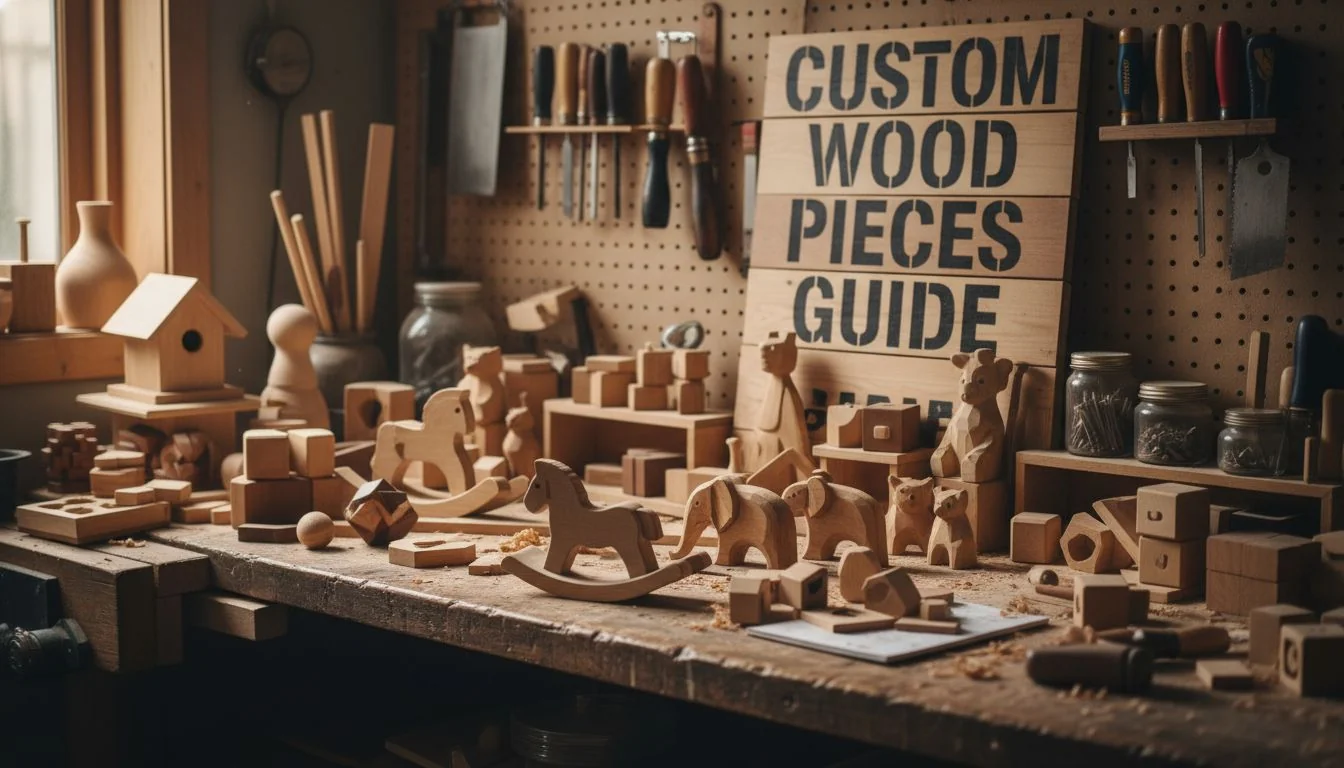
Xav tau cov ntoo tshwj xeeb tab sis cov txheej txheem zoo li nyuaj heev? Cov nqi siab thiab nrhiav tus tsim kom raug tuaj yeem nres lub tswv yim zoo. Phau ntawv qhia no yooj yim txhua yam rau koj.
Kom tau kev cai ntoo daim[^1], pib nrog cov ncauj lus kom ntxaws, nyiam dua cov ntaub ntawv CAD. Rau ib qho khoom, nrhiav tus neeg ua haujlwm hauv zos. Rau kev txiav txim ntau, vet thiab koom tes nrog cov chaw tsim khoom tshwj xeeb, kom ntseeg tau tias lawv tuaj yeem ua tau raws li koj qhov zoo thiab cov khoom siv tshwj xeeb.

Koj muaj lub tswv yim ci ntsa iab rau cov khoom ntoo, tab sis tig lub tswv yim mus rau hauv lub cev, cov khoom zoo yog qhov kev sib tw tiag tiag. Nws yog ib qho yooj yim kom poob rau hauv cov ntsiab lus ntawm kev tsim, cov ntaub ntawv, thiab nrhiav tus khub txhim khu kev qha uas tuaj yeem ua qhov koj xav tau. Txoj kev los ntawm cov ntaub ntawv digital mus rau cov khoom tiav tuaj yeem xav tias nyuaj, tab sis nws tsis tas yuav yog. Cia peb rhuav tshem tag nrho cov txheej txheem, yog li koj tuaj yeem txav mus tom ntej nrog kev ntseeg siab thiab coj koj cov ntoo tsim rau lub neej.
Txhua hom ntoo yog tsim rau txhua qhov haujlwm kev cai.cuav
Cov ntoo sib txawv muaj cov khoom sib txawv xws li hardness, grain, thiab noo noo tsis kam. Piv txwv li, cov ntoo thuv mos yog qhov zoo rau cov khoom siv yooj yim, thaum cov ntoo qhib tawv yog xav tau rau cov rooj tog zaum ntev. Qhov kev xaiv cuam tshuam ncaj qha rau cov khoom muag, kev xav, thiab lub neej ntev.
Daim duab qhia ntxaws ntxaws lossis CAD cov ntaub ntawv yog qhov tseem ceeb rau kev tsim cov ntoo kom raug.Muaj tseeb
CAD cov ntaub ntawv muab qhov ntev, qhov ntev, thiab qhov tshwj xeeb. Qhov kev pom tseeb no txo qis qhov ua yuam kev, txo qis kev sib txuas lus rov qab, thiab ua kom cov khoom zaum kawg phim koj lub hom phiaj tsim, uas yog qhov tseem ceeb rau kev ua haujlwm tau zoo.
Koj Yuav Ua Li Cas Ua Cov Ntoo Ntoo Zoo?
Your design is ready, but you're stuck on the practical steps of getting it made. Choosing the wrong process or material can lead to wasted time, money, and disappointment.
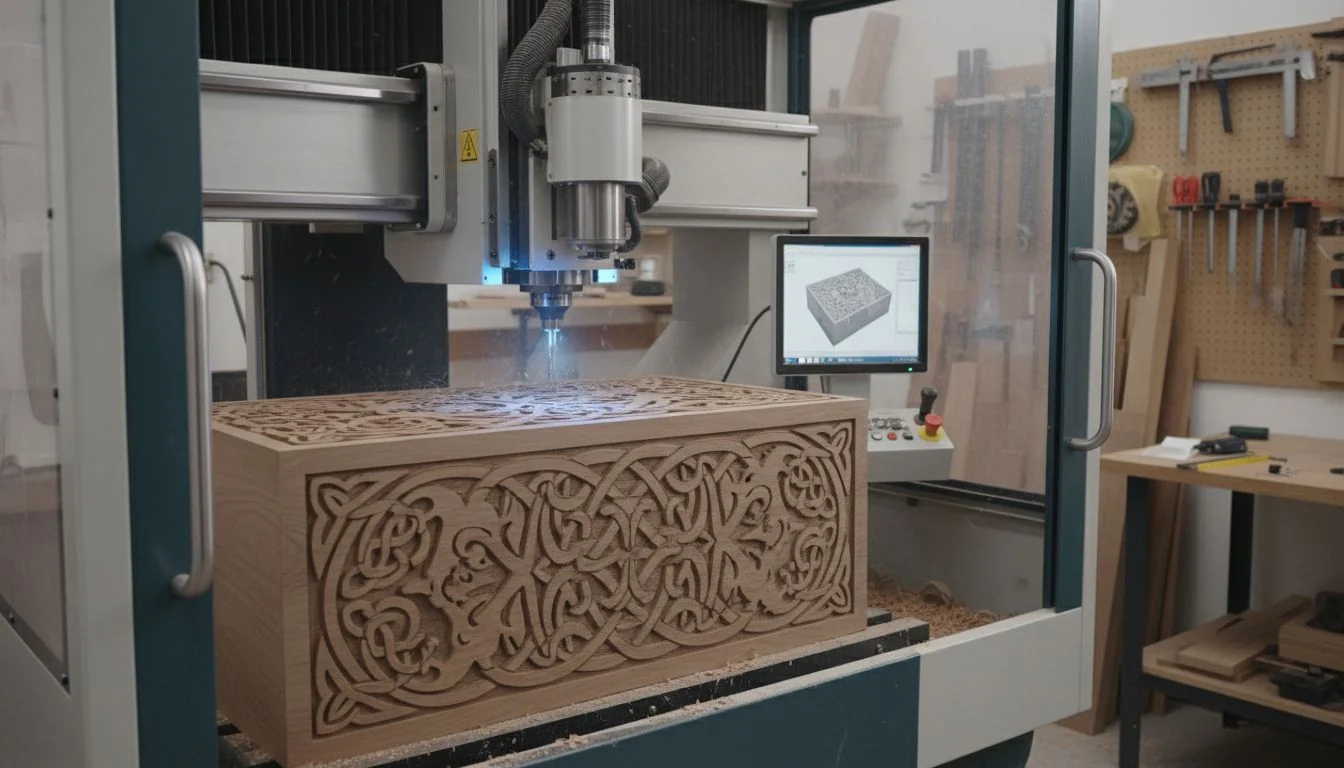
First, finalize your design with detailed specifications and choose the right wood. Next, select a manufacturing method like CNC machining[^2] for precision or traditional woodworking for an artisanal feel. Clear communication with your maker is essential.
Getting a custom wood piece made right the first time depends on how well you prepare. It's not just about having a good idea; it's about translating that idea into a clear, actionable plan for a manufacturer or craftsman. As someone who has managed countless manufacturing projects, I've learned that success is all in the details you provide upfront. A small oversight in the design file or a poor material choice can have big consequences down the line. Let's dive deeper into the key stages that ensure your custom wood project turns out exactly as you imagined, whether you're making one piece or one thousand.
Ua tiav Koj Cov Qauv Tsim Kho
Before you approach anyone to make your piece, your design needs to be production-ready. For a professional like Jacky, this means going beyond a simple sketch. You need a detailed 3D CAD model and 2D technical drawings. Use standard file formats like STEP, IGES, or DXF. Your drawings must specify critical tolerances, the desired surface finish (e.g., sanded to a certain grit, varnished, or painted with a specific Pantone color), and any assembly instructions. This level of detail removes guesswork and protects you from errors.
Xaiv Txoj Cai Ntoo
The type of wood you choose defines the final product's character, durability, and cost. You need to match the material to the application. A children's toy needs to be durable and non-toxic, while a decorative piece might prioritize a beautiful grain.
| wood type[^3] | Hardness | Best For | Cost |
|---|---|---|---|
| Pine | Soft | Inexpensive toys, simple furniture, prototypes | Low |
| Beech | Hard | Durable toys, kitchenware, chairs | Medium |
| Maple | Very Hard | Cutting boards, high-end toys, flooring | Medium-High |
| Oak | Hard | Premium furniture, cabinetry, flooring | High |
| Walnut | Hard | Decorative items, high-end furniture, veneers | High |
Xaiv txoj kev tsim khoom
Your choice of manufacturing method[^4] depends on your design's complexity, the quantity you need, and your budget.
- CNC Machining: This is the best option for complex shapes, tight tolerances, and repeatable results. It's perfect for product designers who need precision parts that fit together perfectly.
- Laser Cutting/Engraving: Ideal for cutting intricate 2D shapes from wooden sheets or for adding detailed logos and patterns to a surface.
- Traditional Woodworking: For one-of-a-kind, artisanal pieces, a skilled craftsman using hand tools can achieve results that machines can't replicate. This is best for bespoke furniture or artistic objects.
CNC machining is always the best method for custom wood pieces.cuav
While precise, CNC isn't always cost-effective for simple, one-off projects where traditional methods might be faster and cheaper. The 'best' method depends on complexity, volume, and the desired artisanal finish.
The moisture content of wood significantly affects the final product's stability.Muaj tseeb
Wood expands and contracts with humidity changes. Using properly kiln-dried wood is critical because it minimizes the risk of warping, cracking, or splitting after manufacturing, ensuring the product's long-term quality and integrity.
How Do You Custom-Order Bulk Wood Products From China?
You need to produce wooden items in bulk, but local manufacturing costs are just too high. Sourcing from overseas feels risky, with worries about quality, communication, and shipping logistics.
I'll share my experience on how to successfully partner with Chinese manufacturers. Find reputable suppliers on platforms like Alibaba, vet them thoroughly, get samples, and provide clear technical packs to ensure quality control[^5].

When I first started my trading company, I faced this exact problem. I had clients who designed amazing products, like handmade wooden toys, but producing them in Europe or North America at scale was financially impossible. The costs were just too high. This led me to explore manufacturing in China, and I quickly learned why so many famous brands already produce there. It's not just about lower costs; it's about accessing a massive, experienced manufacturing ecosystem. But navigating it requires a clear strategy. Let me walk you through how to do it right and avoid the common pitfalls.
Why China for Bulk Wood Production?
From my years in the industry, I can tell you the advantages are clear. The primary driver is cost-effectiveness. Labor and material costs are significantly lower, which is crucial for products that require manual work like sanding, painting, and assembly. This is why most popular wooden toys are produced in China. Beyond cost, China has an incredibly developed supply chain and infrastructure. There are entire regions, like Yunhe County, known as the "Wooden Toy City," that are dedicated to this craft. They have decades of experience, skilled labor, and the capacity to handle huge production volumes for major international brands.
The Sourcing and Vetting Process
Finding the right partner is the most critical step. Rushing this can lead to disaster. You need a methodical approach to vetting potential suppliers.
| Step | Action | My Key Tip |
|---|---|---|
| 1. Find Suppliers | Use B2B platforms like Alibaba or Made-in-China.com. Attending trade fairs like the Canton Fair is also effective. | Look for "Gold Suppliers" with 5+ years of experience. Read reviews carefully and filter for manufacturers, not trading companies. |
| 2. Initial Vetting | Request their company profile, business license, and quality certifications (e.g., ISO 9001, BSCI, FSC for wood). | Ask for photos and videos of their factory in action. A transparent and proud supplier will share these readily. Reluctance is a red flag. |
| 3. Request Samples | Always order a pre-production sample based on your exact design. This is a non-negotiable step. | Pay for the sample and the shipping. It's the best money you'll spend, as it's your ultimate quality check before committing to a large order. |
| 4. Factory Audit | For large or long-term orders, consider a third-party audit or a personal visit to verify their capabilities. | An audit confirms that the factory you saw in pictures is real and that they have the equipment and processes they claim. |
Managing Production and Quality Control
Once you've chosen a supplier, clear communication is everything.
- Use Simple Language: Keep your emails and instructions simple and direct. Use images and diagrams wherever possible to overcome language barriers.
- Provide a "Tech Pack": This is your manufacturing bible. It must include all CAD files, material specifications (e.g., "FSC-certified Beech wood"), Pantone color codes, safety requirements (e.g., EN-71 for toys), and detailed packaging instructions.
- Set Quality Checkpoints: Don't wait until the end to inspect. Agree on quality checks at key stages: after raw material cutting, before painting, and a final random inspection before shipping. This allows you to catch issues early.
Many well-known European and American wooden toy brands manufacture their products in China.Muaj tseeb
Major brands like Hape, Melissa & Doug, and Brio have significant manufacturing operations or partnerships in China. They leverage the country's cost advantages and large-scale production capabilities, a fact widely acknowledged in the global toy industry.
The lowest price on Alibaba always represents the best deal for bulk orders.cuav
Extremely low prices are a major red flag. They often indicate compromises on material quality, unsafe labor practices, or a complete lack of quality control. The best deal balances a competitive price with a supplier's reputation, transparency, and sample quality.
Conclusion
Customizing wood pieces is very achievable. Start with a solid design, then find the right maker for single items or vet Chinese suppliers for cost-effective bulk production.
References
[^1]: Explore resources that guide you in creating unique custom wood pieces tailored to your needs.
[^2]: Discover the benefits of CNC machining for achieving precision in custom wood projects.
[^3]: Explore the characteristics of different wood types to choose the best one for your project.
[^4]: Understand the various manufacturing methods available for creating custom wood pieces.
[^5]: Learn effective strategies for maintaining quality control during the wood manufacturing process.
