

Ertu í erfiðleikum með að móta árangur efstu leikfangamerkja? Það er erfitt að skipuleggja þína eigin vöru þegar framleiðsluferlið þeirra er algjör ráðgáta, sem gerir þér kleift að giska á kostnað og birgja.
Melissa & Doug er frábært viðmið fyrir gæði og markaðsaðdrátt. Hins vegar er raunverulegur lærdómur fyrir hönnuði í þeirra framleiðslustefnu[^1]. Flestar tréþrautir þeirra eru framleiddar í Kína, líkan sem þú getur líka nýtt þér með því að vinna með réttum beinum framleiðanda til að hámarka kostnað og gæði.

Þegar ég byrjaði í mygluiðnaðinum sá ég af eigin raun hvernig frábær hönnun getur annað hvort heppnast eða mistekist miðað við framleiðsluáætlun hennar. Þú hefur líklega eytt klukkustundum í að fullkomna CAD líkan, en það er aðeins hálf baráttan. Hinn helmingurinn er að finna út hvernig á að gera það á skilvirkan hátt og í háum gæðaflokki. Þú horfir á vörumerki eins og Melissa & Doug og sjá fullunna vöru á hillunni, en ég sé röð framleiðsluákvarðana—efnisvals, verkfæra, frágangs og aðfangakeðjuflutninga[^2]. Að skilja þessar ákvarðanir er lykillinn að því að breyta hönnun þinni í arðbæran veruleika. Við skulum brjóta niður ferlið á bak við einfalt tréþraut og sjá hvaða lærdóm við getum sótt í þín eigin verkefni.
Melissa & Doug framleiðir öll viðarleikföng sín í aðstöðu í Connecticut.Rangt
Þó að fyrirtækið sé með höfuðstöðvar og hannar vörur sínar í Connecticut, hefur mikill meirihluti framleiðslu þess, sérstaklega fyrir viðarleikföng, verið útvistað til verksmiðja í Kína síðan snemma á 20.
Sléttu, ávölu brúnirnar á vönduðum viðarpúsluspilshlutum eru oft fengnar með ferli sem kallast slípun með tuðlum.Satt
Eftir að hafa verið skorið eru tréstykki sett í stóra veltivél með slípiefni. Þetta ferli sléttir skarpar brúnir og yfirborð á skilvirkan hátt og tryggir að stykkin séu örugg fyrir lítil börn.
Veistu hvar Melissa og Doug þrautir eru framleiddar?
Þú sérð „Hannað í Bandaríkjunum" á kassanum og velti því fyrir sér hvað það þýðir í raun og veru fyrir aðfangakeðjuna. Þessi skortur á skýrleika gerir það erfitt að kortleggja eigin framleiðslustefnu.
Mikill meirihluti Melissu & Trépúsl Dougs eru framleidd í Kína. Fyrirtækið sér um vöruhönnun, þróun og gæðatryggingu[^3] frá höfuðstöðvum sínum í Bandaríkjunum, en nýtir rótgróna og hagkvæma leikfangaframleiðsluinnviði í Asíu fyrir stórframleiðslu.

Þegar þú ert að hanna vöru er mikilvægt að skilja hvar og hvers vegna farsæl vörumerki framleiðsla. Þetta snýst ekki bara um að finna lægsta verðið; þetta snýst um að finna réttu hæfileikana. Reynsla mín af því að stofna CNC viðskiptafyrirtæki kenndi mér að „Made In" merkið segir flókna sögu.
Af hverju Kína fyrir leikfangaframleiðslu?
Í áratugi hefur Kína verið verkstæði heimsins fyrir leikföng. Þetta snýst ekki bara um lægri launakostnað lengur. Þetta snýst um þroskað vistkerfi. Þú finnur verksmiðjur með áratuga reynslu, sérhæfðar vélar fyrir timbur og plast, djúpa aðfangakeðju fyrir efni og íhluti og vinnuafl sem er hæft í samsetningu og frágangi. Fyrir fyrirtæki eins og Melissa & Doug, þetta þýðir að þeir geta stækkað framleiðslu hratt og áreiðanlega.
„Hönnuð í" á móti „Made In"
This distinction is key for a product designer like you. It means the intellectual property (IP), brand identity, and quality standards are controlled by the home company. They make the blueprints. The factory in China executes them. This model allows a brand to focus on what it does best—creative design and marketing—while a manufacturing partner handles what they do best—production.
Hvað þetta þýðir fyrir verkefnið þitt
The great news is that this manufacturing power is not exclusive to giant brands. As an independent designer or a mid-sized company, you can access the same high-quality production. The challenge is finding and vetting the right partner. This is where I've helped many clients. By connecting them with direct manufacturers I trust, we cut out the middlemen and build a transparent relationship, ensuring your design intent is perfectly executed.
Outsourcing manufacturing to China always results in a lower quality product.Rangt
Product quality is determined by design specifications, material choices, and quality control processes, not the country of origin. Top global brands, including Apple, produce high-quality goods in China by enforcing strict standards.
China is the world's largest toy exporter, accounting for over 70% of the global toy market.Satt
The country's massive manufacturing infrastructure, experienced labor force, and extensive supply chains have made it the dominant player in toy production for decades.
Úr hvaða efni eru púsluspil?
Choosing the right material is a critical design decision. A wrong move can lead to a product that feels cheap, fails safety tests, or creates production headaches and drives up costs.
While puzzles can be made from paperboard, plastic, or wood, high-quality children's puzzles favor wood, specifically multi-layer plywood. This choice is driven by wood's durability, perceived value, and safety when finished correctly, making it ideal for the toddler market.
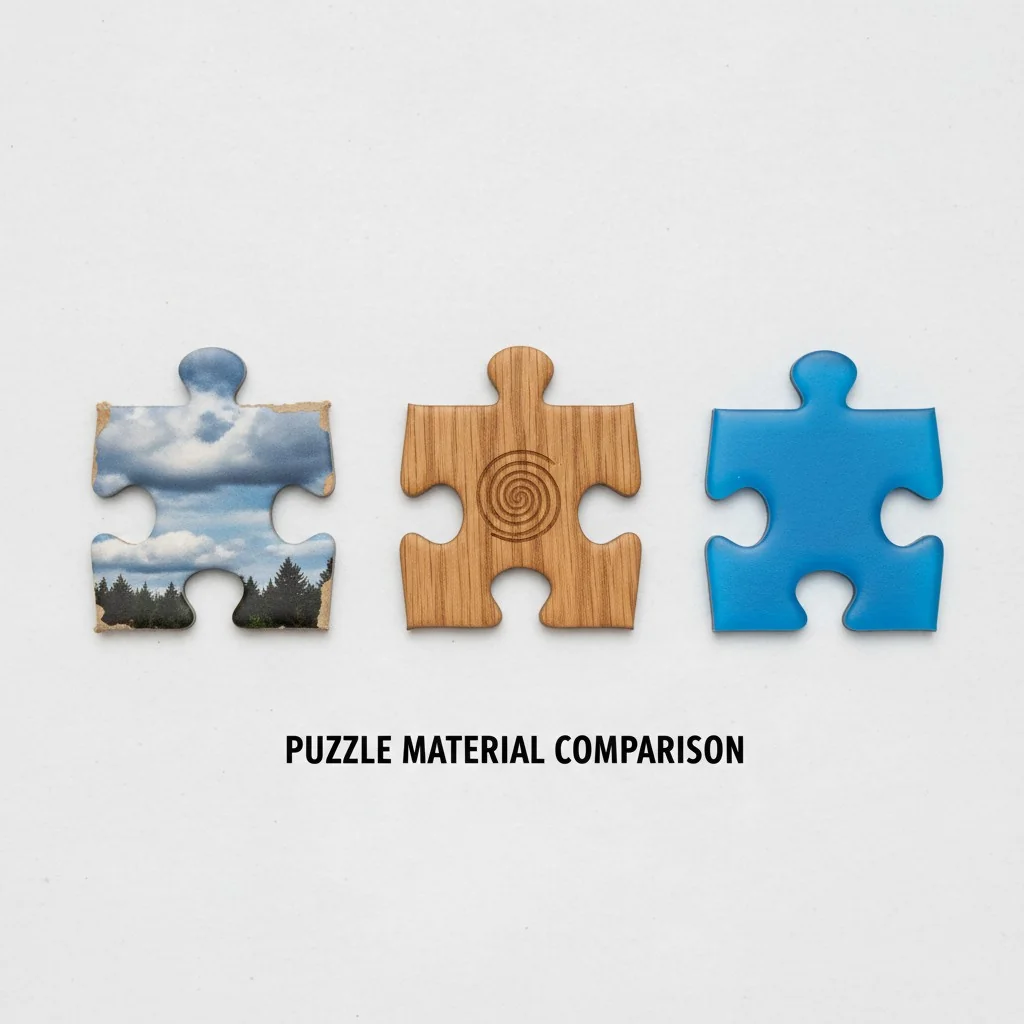
The material you choose defines the user's entire sensory experience with your product. It affects the weight, the sound the pieces make, and the feel in their hands. For a product designer, the material choice also dictates the manufacturing process. A plastic puzzle requires an injection mold, which is my area of expertise, while a wooden one involves CNC routing[^4] or laser cutting. Let's look at the options.
Samanburður á algengum þrautaefnum
Understanding the pros and cons of each material helps you align your product with your target market and price point. A puzzle for a 2-year-old has very different requirements than one for a 10-year-old.
| Material | Key Advantages | Key Disadvantages | Best fyrir |
|---|---|---|---|
| Paperboard | Very low cost, excellent for high-detail printing. | Least durable, easily bent or damaged by moisture. | Adult puzzles, promotional items. |
| Wood (Plywood) | Highly durable, premium feel, classic look, safe. | Higher material cost, heavier. | Toddler puzzles, educational toys[^5], heirloom gifts. |
| Plastic (e.g., ABS) | Extremely durable, waterproof, easy to clean. | Requires expensive injection molds, can feel less "natural". | Bath toys, outdoor use, puzzles with unique interlocking shapes. |
For the toddler market that Melissa & Doug targets, wood is the clear winner. Parents perceive it as a safer, more natural, and more educational material. It withstands the rough handling of a toddler, and the weight of the pieces feels substantial and high-quality. Your design should leverage these strengths.
All wooden toys are made from 100% natural, solid wood.Rangt
Many high-quality wooden toys are made from engineered wood like plywood or MDF. These materials are often more stable, less prone to warping, and more cost-effective than solid wood for these applications.
The paints used on children's toys sold in the U.S. must meet federal safety standards outlined in ASTM F963-17.Satt
This standard limits the amount of lead and other heavy metals in surface coatings to ensure toys are non-toxic and safe if a child puts them in their mouth.
Hvaða krossviður er bestur til að búa til barnaþraut?
You've decided on wood, but "plywood" is a huge category. Choosing the wrong type can ruin the cut quality, compromise safety, and negatively affect the final look and feel of your product.
Baltic Birch plywood[^6] is widely considered the best choice for premium children's toys and puzzles. Its multi-layer, void-free core provides exceptional stability and a clean edge when cut, while its smooth surface is perfect for printing or painting.
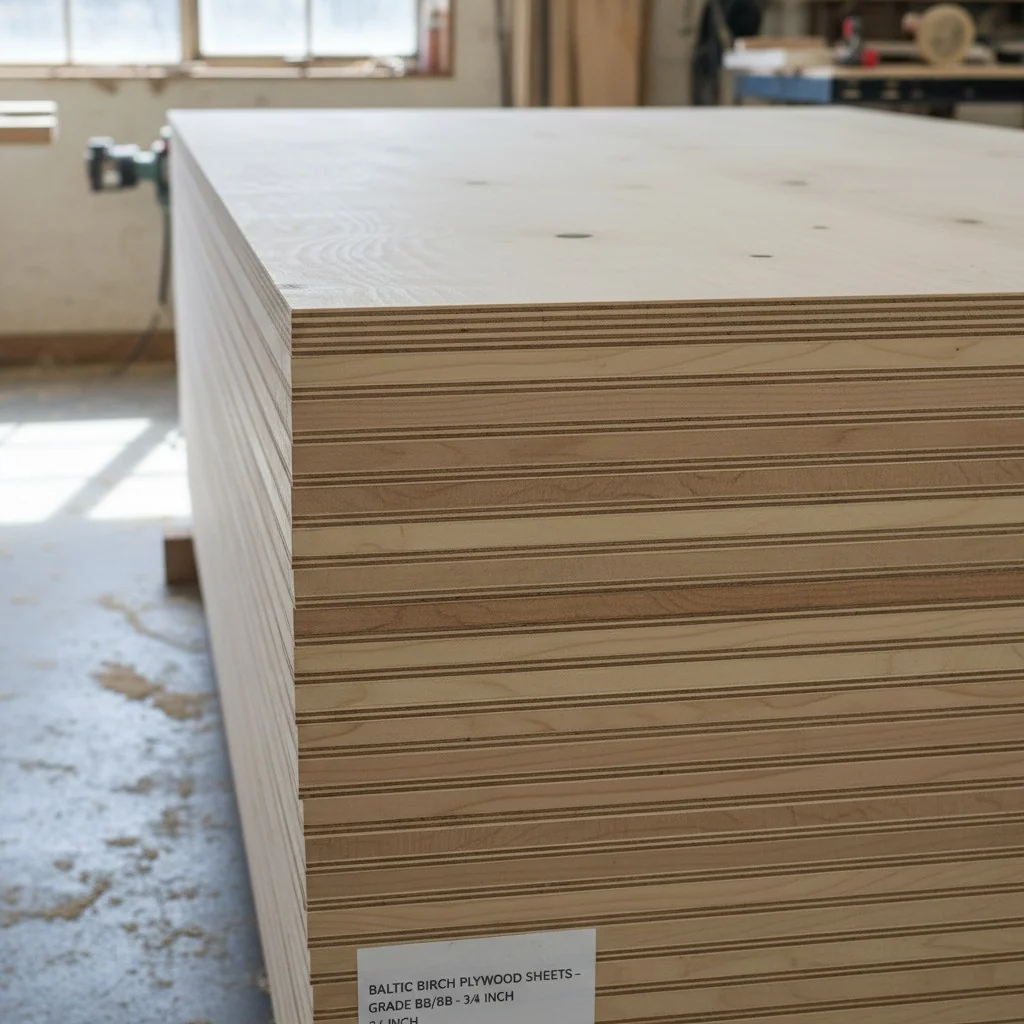
Getting into the specifics of materials is what separates a good designer from a great one. When you send a tech pack to a manufacturer, specifying the exact grade and type of material prevents ambiguity and ensures you get the quality you expect. I've seen projects get derailed because the designer just wrote "wood" on the spec sheet.
Hvers vegna Baltic Birch Krossviður stendur upp úr
Baltic Birch isn't your standard hardware store plywood. It's an engineered panel made specifically for applications where quality matters.
- Void-Free Core: It's constructed with multiple, equally thick layers of birch veneer, and the manufacturing process ensures there are no gaps or voids inside. This is critical when you are laser cutting or routing small, intricate puzzle pieces. Voids can cause the surface to collapse or create ugly blemishes on the edge.
- Strength and Stability: The cross-banded layers make it incredibly stable. It resists warping and stays flat, which is essential for a puzzle tray and its pieces.
- Clean Edge: When cut, the edge shows clean, attractive layers, which can be left exposed as a design feature.
Krossviður einkunnir skipta máli
You'll often see grades like "B/BB". This refers to the quality of the face veneers. A "B" grade face is smooth and clear, with no patches, making it ideal for the "show" side of your puzzle. The "BB" grade back allows for small, circular patches. Specifying a grade like B/BB gives you a high-quality appearance without the cost of a perfect B/B grade.
The glue used in all plywood is waterproof and non-toxic.Rangt
Plywood is made with different glues for different purposes. Interior-grade plywood often uses urea-formaldehyde glues, which are not water-resistant. Exterior or marine-grade plywoods use waterproof glues, but material safety data sheets must be checked to ensure they are non-toxic for a toy application.
Laser cutting plywood is a popular manufacturing method for puzzles because it can cut intricate shapes with high precision and seals the wood edge, reducing splintering.Satt
A focused laser beam vaporizes the wood, allowing for very fine details that would be difficult with a traditional saw. The heat from the laser also cauterizes the edge, leading to a smooth, dark, and splinter-free finish.
Hvernig geturðu hannað þrautir og geymslu þeirra til að fá betri notendaupplifun?
A great product experience doesn't end when the puzzle is solved. If pieces get lost easily because of poor storage, parents get frustrated, and it reflects badly on your brand's thoughtfulness.
The best puzzle storage is designed as part of the product itself. Features like a wooden tray with raised edges, a durable box, or a purpose-built rack for a set of puzzles add immense practical and perceived value.

As a designer, you're not just creating an object; you're designing an entire user experience. From the moment the customer opens the box to the moment they put it away, every step matters. Thinking about storage from the beginning is a hallmark of great design. It shows you understand your customer's real-world challenges.
Hönnunarsamþættar geymslulausnir
Let's move beyond just throwing pieces in a plastic bag.
- The Puzzle Tray: This is the most common solution for toddler puzzles. A simple wooden board with a routed-out recess or raised edges serves three purposes: it's a building surface, it shows a picture of the finished puzzle, and it's the storage container. When designing this, consider the depth of the tray and the finger-scoops for easy piece removal.
- Value-Add Racks and Holders: If you are launching a "Wooden Puzzles Set Of 3," don't just shrink-wrap them together. Design a simple, elegant wooden rack to hold them. This transforms your product from three individual items into a cohesive "system." This rack can be easily manufactured using CNC-cut plywood slots and simple assembly. It's a small addition that dramatically increases the product's gift-ability and perceived value.
- Durable Packaging: Think of the box not just as retail packaging but as a long-term storage component. Use thicker cardstock, consider a magnetic closure, or design an inner tray that organizes the pieces. This costs a little more, but it communicates quality and care.
Adding a storage solution like a rack or case has little impact on a toy's sales.Rangt
Products that solve a problem for parents, such as organization and storage, have a distinct market advantage. This added convenience is a powerful selling point and can justify a higher retail price.
Good packaging design can reduce shipping costs by optimizing dimensional weight.Satt
By designing compact, efficient packaging, you can minimize the volume of the shipping carton, which carriers use to calculate 'dimensional weight.' A smaller, lighter package directly translates to lower logistics costs.
Niðurstaða
Understanding the manufacturing behind a simple wooden puzzle reveals key lessons in material choice, sourcing, and user-centered design. Apply these insights to make your next product a commercial success.
Heimildir
[^1]: Exploring effective manufacturing strategies can help you optimize costs and quality in your toy design.
[^2]: Understanding supply chain logistics is crucial for efficient toy production and cost management.
[^3]: Quality assurance practices are essential for maintaining high standards in toy production.
[^4]: Understanding CNC routing can enhance your knowledge of precision manufacturing for toys.
[^5]: Explore the characteristics that define educational toys and their impact on child development.
[^6]: Discover the benefits of Baltic Birch plywood for creating high-quality, durable children's toys.
