
Featured image:

Struggling to choose a finish for your custom toy design? A bad choice can ruin the final product's look and feel. Understanding your options is key to success.
The best finishing options for CNC-machined toys[^1] depend on material, safety, and desired aesthetics. Common choices include natural oils for a premium feel, water-based paints for vibrant color, and lacquers for high durability. Each option directly impacts the final cost, production time, and market appeal.
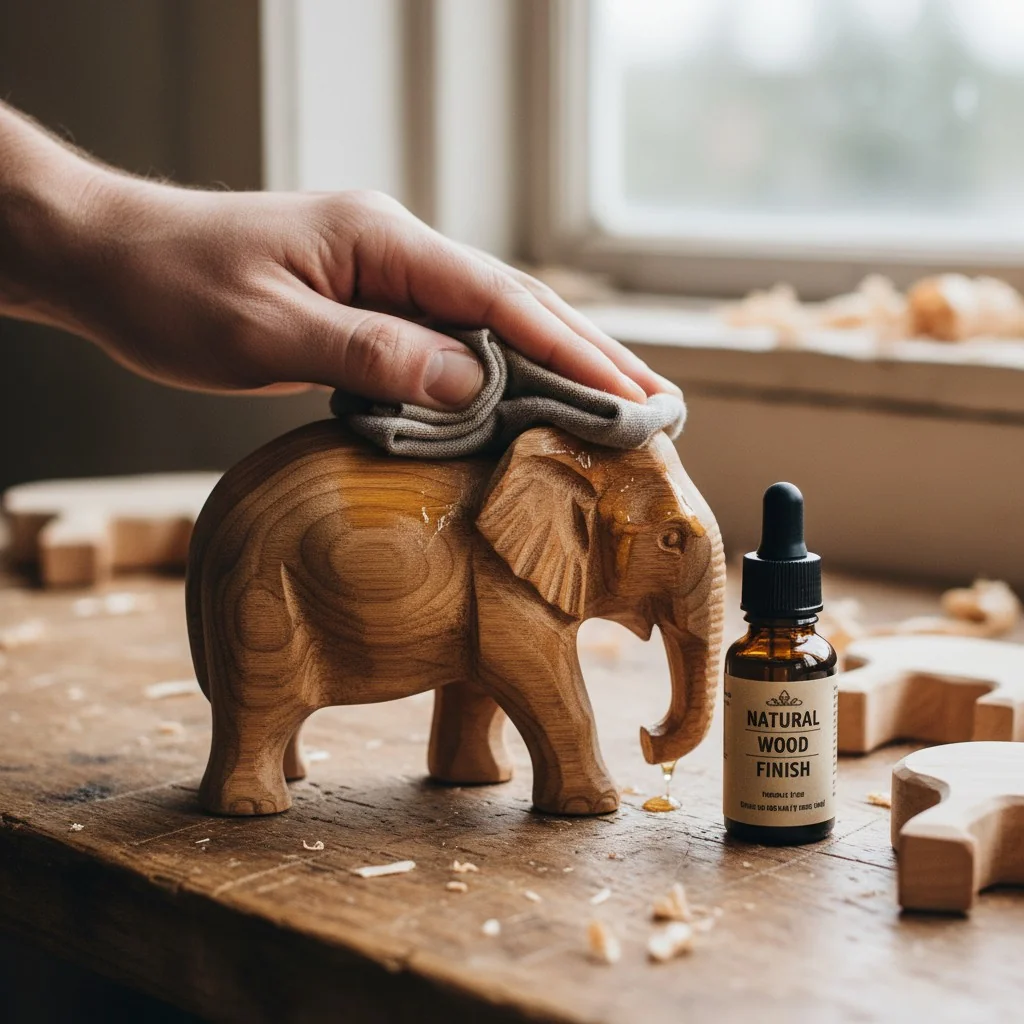
I remember a client I worked with a few years back. They had designed a beautiful set of CNC-machined building blocks. The design was perfect, but they were stuck on the finish. They almost went with a cheap varnish that would have made the toys look like plastic and potentially been unsafe for kids. We spent a lot of time discussing the pros and cons of each option, just like we're about to do now. That experience taught me that the finish isn't the last step; it's a critical part of the design process itself. It affects everything from the user's first impression to the product's lifespan. Let's break down the options so you can make the right choice for your project.
All wood finishes release toxic fumes for weeks after application.Rangt
While many solvent-based finishes do, modern water-based and natural oil finishes are low-VOC or zero-VOC and are considered safe once fully cured.
The type of finish can affect the toy's final dimensions.Satt
Thick finishes like lacquer or paint add a measurable layer to the surface, which can be critical for toys with tight-fitting parts. This must be accounted for in the initial design.
How Do Natural Finishes Affect a Toy's Feel and Safety?
Want a non-toxic, premium feel for your wooden toy? Harsh chemicals are a major concern for children's products. natural oils[^2] og vax bjóða upp á örugga, fallega og áþreifanlega lausn.
Náttúruleg áferð eins og hörfræolía, tungolía eða býflugnavax[^3] smýgur inn í viðinn, eykur náttúrulegt korn og gefur hlýlega tilfinningu. Þau eru almennt ekki eitruð og matvælaörugg þegar þau hafa læknað, sem gerir þau að frábæru vali fyrir leikföng sem ætluð eru ungum börnum sem gætu sett þau í munninn.
When I work with designers creating high-end toys, especially from woods like maple or beech, we often lean towards natural finishes. There's an honesty to it. You're not hiding the material; you're celebrating it. This approach is perfect for designs that want to communicate quality and eco-friendliness. However, it's not just about looks. The safety aspect is huge. For any toy that a child under three might play with, I always push for a finish that is certified child-safe. Natural oils and waxes, when properly cured, are among the best options. Let's look at the specifics.
Oil vs. Wax Finishes
Oils and waxes are often used together but serve slightly different purposes.
- Oil Finishes (Tung, Linseed, Mineral): These penetrate deep into the wood fibers. They "cure" í gegnum oxun, harðnað inni í viðnum til að veita vernd innan frá. Þetta er það sem gefur viðnum þetta ríkulega, djúpa yfirbragð.
- Vaxáferð (bývax, karnauba): Vax situr meira á yfirborðinu. Þeir veita silkimjúka tilfinningu og auka lag af vatnsheldni. Bývax áferð á hlynleikfangi finnst ótrúlega mjúkt og er frábær skynjunarupplifun.
Hér er einföld sundurliðun til viðmiðunar:
| Gerð klára | Helsti ávinningur | Best fyrir | Ending |
|---|---|---|---|
| Tung olía | Framúrskarandi vatnsþol, endingargott | Leikföng sem þurfa meiri vernd | Hátt |
| Hörfræolía | Eykur viðarkorn fallega | Skrautleg eða slitlítil leikföng | Miðlungs |
| Jarðolía | Matvælaöryggi, auðvelt í notkun | Tanntökuleikföng, kubbar | Lágt (þarf að endurnýja) |
| Býflugnavax | Silkimjúkur tilfinning, skemmtileg lykt | Allar leikfangagerðir, sem yfirlakk | Lágt-miðlungs |
Bývax er endingarbesta náttúrulega viðaráferðin.Rangt
Þó að það veiti fallega tilfinningu og smá vatnsheldni er býflugnavax mjúkt vax og veitir minni endingu gegn rispum og sliti samanborið við hertar olíur eins og Tung olíu eða hart vax eins og Carnauba.
Fjölliðuð Tung Oil er almennt talin óeitruð og matvælaörugg þegar hún hefur læknað að fullu.Satt
Þegar olían hefur gengist undir fjölliðun (herðingu), gufa leysiefnin upp og hún myndar stöðugt, eitrað yfirborð, sem gerir það að vinsælu vali fyrir hluti eins og skurðbretti og barnaleikföng.
When Should You Choose Paint or Lacquer Over a Natural Finish?
Hönnun þín þarf lifandi, solid liti og mikla endingu. Náttúrulegur áferð getur ekki veitt það hvellur eða þolað grófan leik. Nútímaleg, vottuð málning og lökk[^4] bjóða upp á hina fullkomnu lausn.
Veldu málningu eða lakk þegar hönnun þín krefst ákveðinna ógagnsæra lita, háglans útlits eða hámarksþol gegn rispum og raka. Þessi frágangur skapar hlífðarfilmu á yfirborðinu. Staðfestu alltaf að þau séu barnaöryggisvottuð (t.d., EN-71[^5] eða ASTM F963 samhæft).
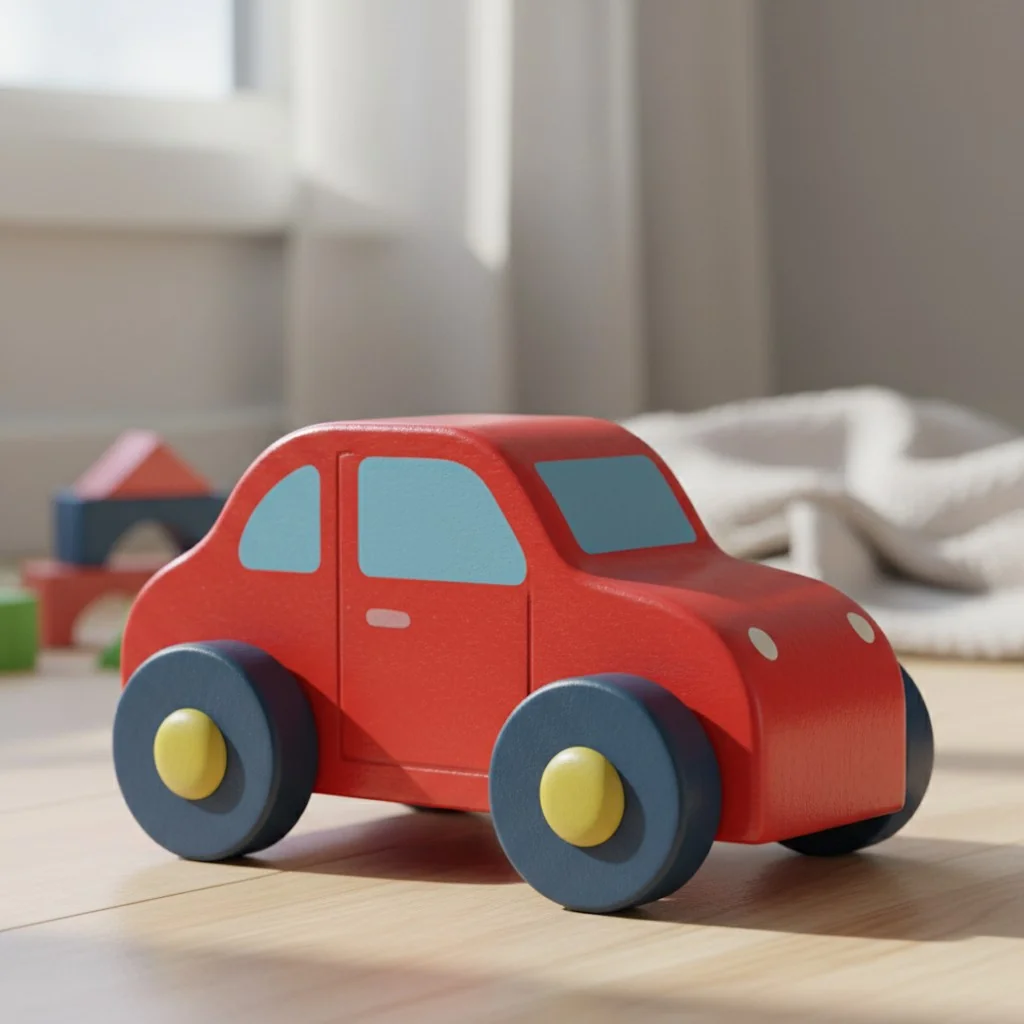
I once helped a startup that was designing a line of colorful, stackable animal toys. They loved the idea of wood, but their brand was all about bright, playful colors. A natural finish just wouldn't work. We explored painted options. Their biggest fear was safety and chipping. This is a common concern for any product designer like Jacky. The solution was to specify a high-quality, water-based paint system and a robust manufacturing process that included proper priming and multiple thin coats. The result was a durable, vibrant, and completely safe product that passed all certifications with ease. Paint opens up a whole new world of design possibilities, but you have to be smart about it.
Water-Based vs. Solvent-Based
The biggest decision here is the paint's base.
- water-based paints[^6]: These are the standard for modern toys. They have low or no Volatile Organic Compounds (VOCs), making them safer for factory workers and the end-user. They clean up with water and are less hazardous overall. Their durability has improved massively over the years.
- Lacquers and Varnishes: These are typically solvent-based and create a very hard, durable, and often glossy shell. They offer superior protection against moisture and scratches. However, you must ensure they are specifically rated as child-safe, as many industrial lacquers are not.
Here’s how they stack up for toy manufacturing:
| Eiginleiki | Water-Based Paint | Child-Safe Lacquer | Natural Oil |
|---|---|---|---|
| Aesthetics | Opaque, unlimited colors | Clear, high gloss | Enhances natural grain |
| Protection | Good (forms a film) | Excellent (hard shell) | Miðlungs (fer í gegnum tré) |
| Öryggi | Almennt hátt (lágt VOC) | Verður að vera vottuð | Almennt mjög hátt |
| Kostnaður | Í meðallagi | Miðlungs til hár | Lágt til í meðallagi |
| Umsókn | Auðvelt, fljótþurrt | Flóknari, þarf loftræstingu | Auðvelt en langur læknatími |
Fyrir Jacky er lykilatriðið að máluð áferð þarfnast strangrar gæðaeftirlits. Þú þarft að tilgreina nákvæmlega málningarkerfið og tryggja að framleiðandinn þinn fylgi því, þar á meðal prófun á blýi og öðrum þungmálmum.
Vatnsbundin málning er ekki eins endingargóð og olíubundin málning.Rangt
Þetta er algengur misskilningur. Nútímaleg akrýl og vatnsbundin glerung málning býður upp á framúrskarandi endingu, sveigjanleika og litaviðhald, oft betri en eldri olíu-undirstaða formúlur, sérstaklega fyrir innanhússnotkun eins og leikföng.
EN-71 er evrópskur öryggisstaðall sérstaklega fyrir leikföng.Satt
EN-71 staðallinn tilgreinir öryggiskröfur fyrir leikföng, þar á meðal strangar takmarkanir á eiturefnum eins og blýi, kadmíum og kvikasilfri í málningu og húðun, sem gerir hann að mikilvægri vottun fyrir leikföng sem seld eru í ESB.
What Advanced Finishing Techniques Can Elevate Your Custom Toy Design?
Viltu að leikfangið þitt standi sannarlega upp úr samkeppninni? Hefðbundin áferð getur stundum litið almennilega út og lítt út fyrir að vera innblásin. Að kanna háþróaða tækni getur búið til einstaka, hágæða vöru.
Háþróuð tækni eins og velta[^7], litun eða laser leturgröftur bætir einstakri áferð og smáatriðum. Veltingur sléttir hlutana fyrir mjúka tilfinningu, en litun gefur djúpan, hálfgagnsæran lit. Þessar aðferðir er hægt að sameina með öðrum frágangi til að búa til áberandi og verðmæta vöru.
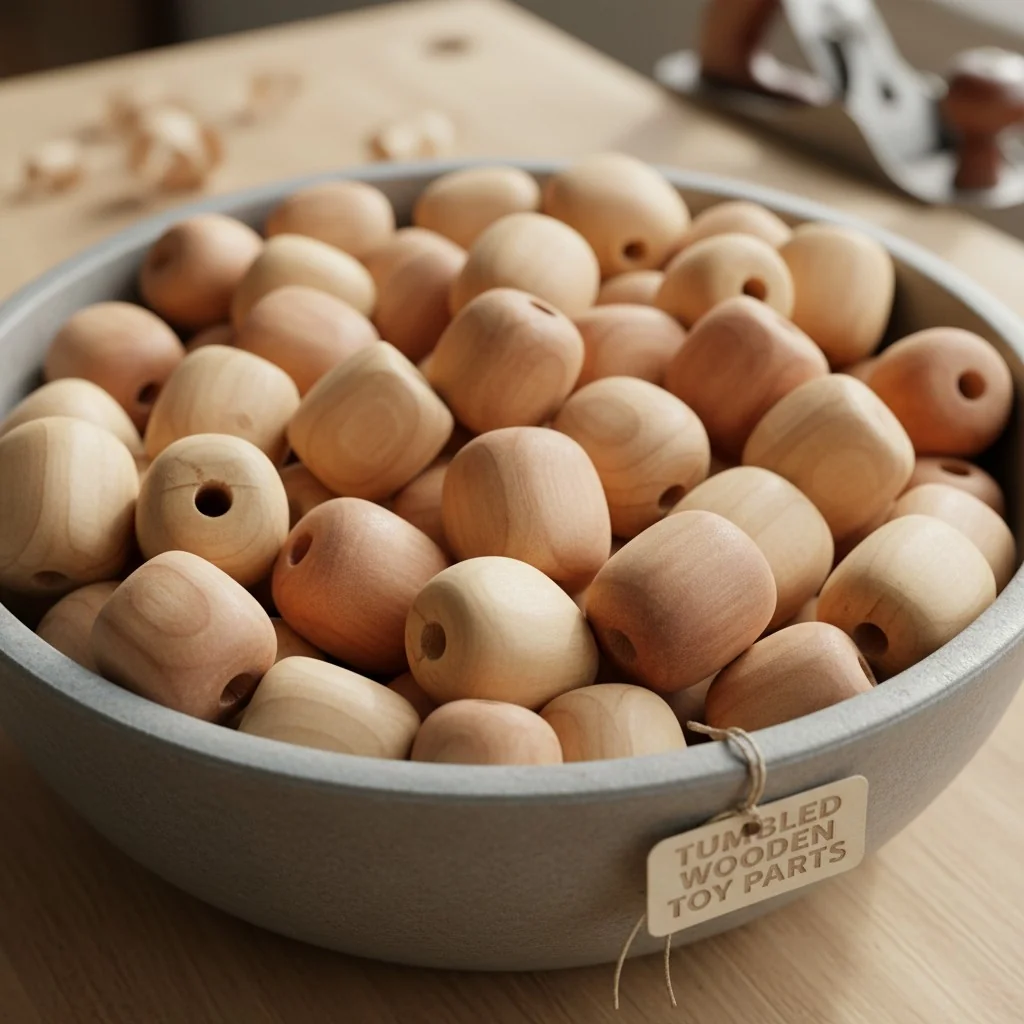
In my CNC business, we often get requests that go beyond a simple coat of paint or oil. Designers are always looking for an edge. I find that combining manufacturing processes often yields the most interesting results. For example, we can CNC-machine a part, then tumble it for a super-smooth, worn-in feel, and finally laser-engrave a logo or pattern onto it. This multi-step process creates a level of detail and tactile quality that you just can't get from a simple finish. It shows a commitment to quality that customers can feel. These aren't just finishes; they are integrated design elements.
Unique Finishing Processes
Let's look at a few techniques that can set your product apart.
- Barrel Tumbling (Vibratory Finishing): This is great for small parts like blocks or beads. The CNC-machined parts are placed in a tumbler with abrasive media. Over several hours, all the sharp edges are rounded, and the surface becomes incredibly smooth. It's an efficient way to finish hundreds of parts at once.
- wood dyeing[^8]: Unlike paint, which sits on the surface, dye soaks into the wood and colors the fibers themselves. This gives you vibrant color while still allowing the wood grain to show through. It's a fantastic way to get the best of both worlds: color and natural texture.
- Laser Engraving: After a part is finished with oil or lacquer, a laser can be used to etch precise patterns, logos, or details onto the surface. This adds a sharp, high-tech detail that contrasts beautifully with the natural wood.
These techniques add steps to production, which means they add cost. However, for a premium product, the perceived value they add can far outweigh the extra expense. It's a strategic choice you make as a designer.
Tumbling wood parts can only be used for rounding edges.Rangt
While rounding edges is a primary function, tumbling can also be used for polishing, deburring, and even applying a wax or oil finish to a large batch of parts simultaneously, making it a versatile finishing process.
Wood dyes are less durable than paints.Satt
Because dyes penetrate the wood rather than forming a protective film, they don't offer the same level of protection against scratches and UV fading as a high-quality paint or lacquer would.
Niðurstaða
Choosing the right finish is a critical design decision. It balances aesthetics, safety, durability, and cost, and is a key part of the entire product development process, not an afterthought.
Heimildir
[^1]: Explore the advantages of CNC machining in toy design, including precision and customization.
[^2]: Discover how natural oils enhance the beauty and safety of wooden toys, making them ideal for children.
[^3]: Discover how beeswax provides a beautiful finish and enhances the sensory experience of wooden toys.
[^4]: Find out how lacquers provide durability and a glossy finish, perfect for vibrant toy designs.
[^5]: Learn about the EN-71 standard and its importance in ensuring toy safety in the European market.
[^6]: Learn about the safety and environmental benefits of using water-based paints in toy manufacturing.
[^7]: Understand how tumbling can improve the finish and feel of toy parts, enhancing overall quality.
[^8]: Explore the process of wood dyeing and how it can add vibrant color while showcasing the wood grain.
