

カスタムおもちゃに適した木材を選ぶのは難しいです。間違った選択は、品質の低下と安全性のリスクを意味します。中国のサプライヤーが使用する最高の素材についてご案内します。
高品質のオーダーメイド木製玩具の場合、最適な素材は次のとおりです。 ブナ、カエデ、カバなどの広葉樹[^1]。耐久性があり、割れにくく、滑らかな仕上がりで、子供向けの製品に最適です。評判の高い中国の製造業者は、その優れた加工性と安全性からこれらの木材を好んでいます。
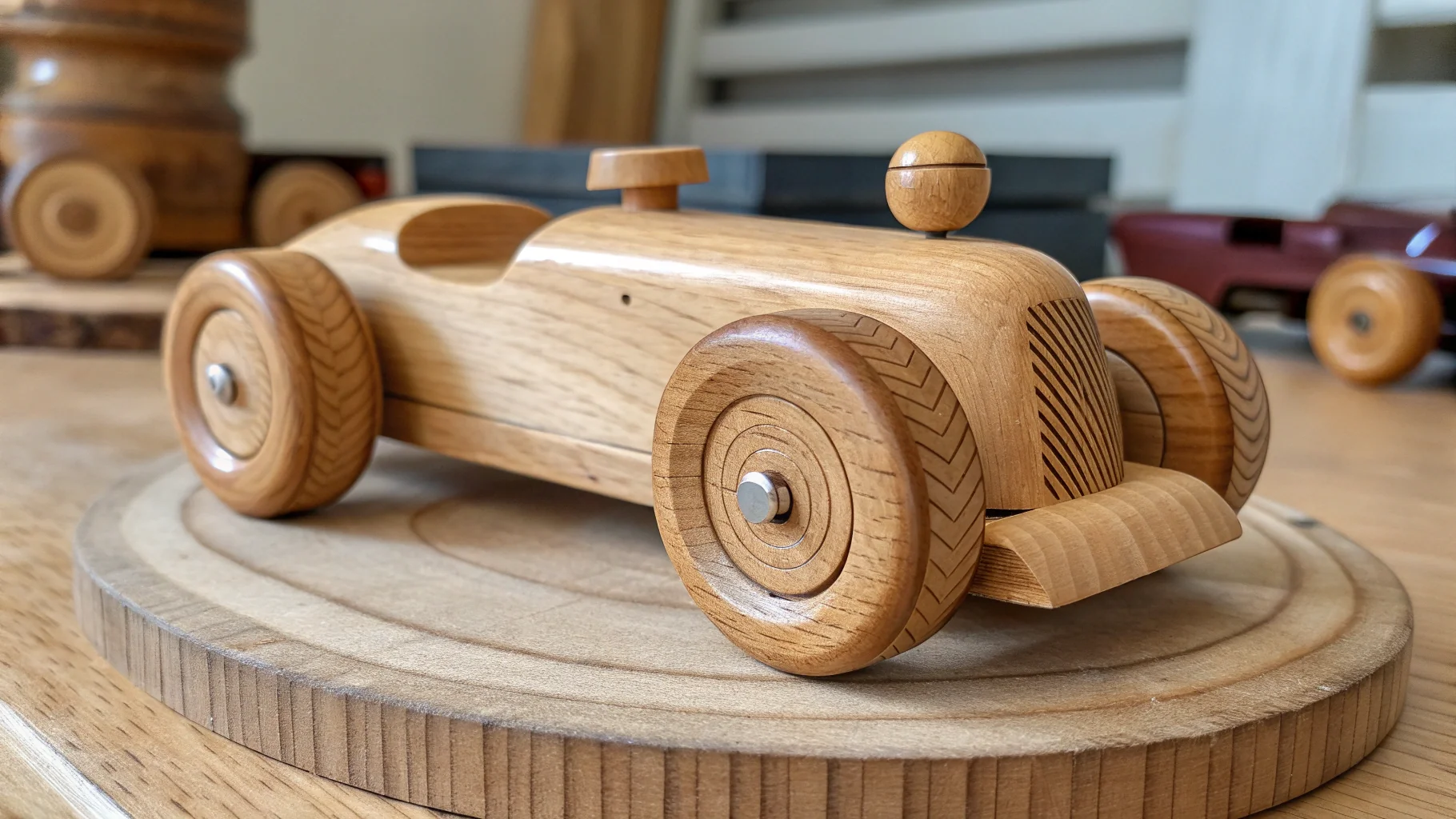
適切な木材を選択することは、成功する製品を作成するための第一歩にすぎません。私は多くのデザイナーが、あなたのような経験豊富なデザイナーであっても、素材だけに集中し、プロセスの他の重要な部分を見落としているのを見てきました。これは時間と費用がかかる典型的な間違いです。
しかし、どうでしょうか 安全コンプライアンス[^2]、カスタマイズ、価格、生産スケジュールは?これらは、良いアイデアと収益性の高い製品を分ける質問です。私は何年も中国の製造現場をナビゲートしてきましたが、これらの教訓を苦労して学びました。正しく理解するために本当に知っておく必要があることを詳しく見てみましょう。
玩具用に中国から調達されたすべての木材は FSC 認証を受けています。間違い
これはよくある誤解です。多くの信頼できるサプライヤーは森林管理協議会 (FSC) 認証木材を提供することができ、実際に提供していますが、それがデフォルトではありません。具体的にリクエストし、多くの場合プレミアムを支払ってから、認証チェーンを検証する必要があります。
ブナやカエデなどの広葉樹は、松などの針葉樹よりも割れにくいです。真実
これは、緻密で緻密な粒子構造によるものです。この密度により耐久性が高まり、欠けたり割れたりしにくくなります。これは、子供が扱ったり、落としたり、噛んだりするおもちゃにとって重要な安全機能です。
中国メーカーはカスタム木製玩具の安全基準をどのように確保しているのでしょうか?
中国で製造する場合、おもちゃの安全基準が心配です。コンプライアンス違反はリコールにつながり、ブランドに損害を与える可能性があります。トップサプライヤーが ASTM や EN-71 などの国際規格をどのように満たしているかを紹介します。
信頼できるメーカーは次のような方法で安全性を確保しています。 無毒、鉛フリーの塗料[^3] で終了します。 ASTM F963 (米国) や EN-71 (欧州) などの国際規格に従っており、カスタム玩具が準拠し、市場で安全であることを証明するサードパーティのラボテスト証明書を提供します。

私が最初に始めたとき、安全は当然のことだと思っていました。積極的に行動する必要があることがすぐにわかりました。優れたサプライヤーは製品を構築するだけではありません。彼らは、ターゲット市場で安全かつ合法となるようにそれを構築します。これには、デザイナーとして理解し、監督する必要がある複数のステップのプロセスが含まれます。それは最終製品だけではなく、原材料の調達から最終的な塗装に至るまで、あらゆる段階で行われる選択についても重要です。彼らが注力している主要な分野を見てみましょう。
材質と仕上げの管理
すべては原材料から始まります。信頼できる工場は、有害な処理がされていないことを保証する厳格な木材調達プロセスを採用しています。さらに重要なのは、無毒、鉛フリー、重金属フリーであることが認定された塗料とラッカーのみを使用することです。これをテクニカル パックに指定し、製品に使用する予定の特定の仕上げについての製品安全データ シート (MSDS) を要求する必要があります。
物理的および機械的試験
ここでデザインと現実が出会うのです。工場では、潜在的な危険性を確認するために内部テストが行われます。これには、耐久性を確保するための落下テスト、窒息の危険を防ぐための小さな部品の引張テスト、鋭利な点やエッジのチェックが含まれます。これらのテストは、子供による実際の使用と虐待をシミュレートするように設計されており、おもちゃの構造的完全性を保証します。
第三者認証
決して工場の言葉を鵜呑みにしてはいけません。最も重要なステップは独立した検証です。常に予算を立てるべきです サードパーティのラボテスト[^4]。サプライヤーは、SGS、Intertek、TUV などの研究所との調整を支援できます。最終製品をあなたの国の特定の基準に照らしてテストします。
| 標準 | 一次地域 | 主な注力分野 |
|---|---|---|
| ASTM F963 | アメリカ合衆国 | 機械的危険性、可燃性、鉛/重金属。 |
| JP-71 | ヨーロッパ(EU) | より広い範囲には、化学的、物理的、可燃性、電気的安全性が含まれます。 |
| ISO 8124 | 国際的 | ASTM/EN-71 に似ており、オーストラリアおよびその他の地域で使用されています。 |
中国の工場では、おもちゃのバッチごとに安全性の順守を自動的にテストしています。間違い
通常、テストは、その実行内の単一バッチごとではなく、実稼働実行ごとに行われます。クライアントであるあなたは、サードパーティのテストを具体的に要求し、料金を支払う必要があります。自動サービスではありません。
EN-71 規格は、複数の安全面をカバーする包括的な規制セットです。真実
EN-71 は単一のテストではありません。これは、物理的特性や可燃性から特定の化学元素の移行に至るまで、あらゆるものを網羅する一連の規格 (EN-71-1、EN-71-2、EN-71-3 など) です。
中国製の木のおもちゃにはどのようなカスタマイズオプションがありますか?
ユニークなおもちゃのデザインがありますが、それが製造可能かどうかはわかりません。標準的なオプションは退屈なので、製品を目立たせる必要があります。中国のサプライヤーは、形状から仕上げに至るまで幅広いカスタマイズを提供します。
カスタマイズは広範囲にわたります。木材の種類、形状を指定できます(経由) CNC加工[^5])、色 (Pantone マッチングによる)、仕上げ (ラッカー、オイル)。レーザー彫刻や印刷でブランドを追加することもできます。詳細な CAD ファイルは、カスタム プロジェクトの開始点となります。
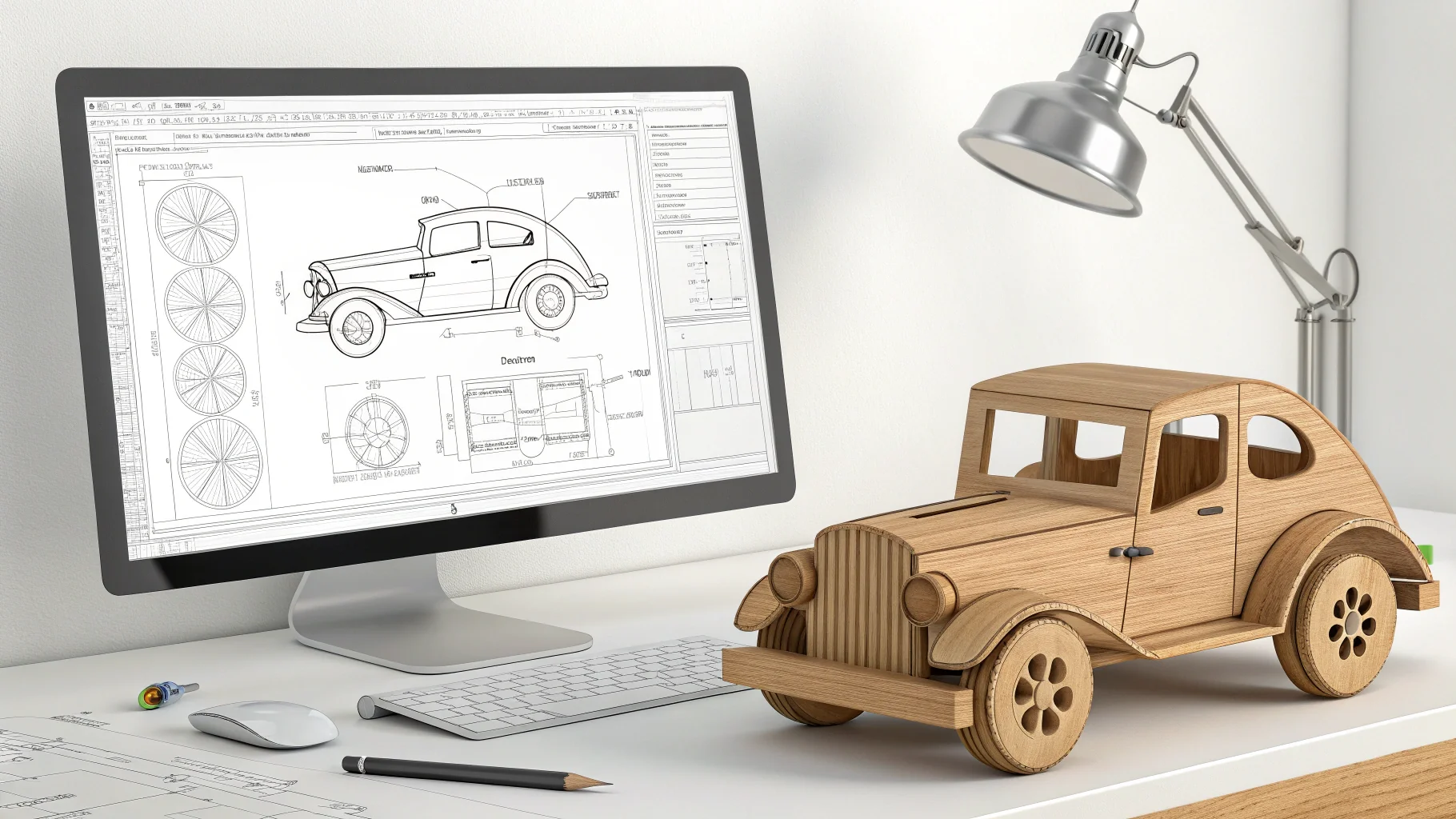
デザイナーとして、あなたの創造性は最大の資産です。良いニュースは、現代の中国の工場には、複雑なアイデアでも実現できる技術があるということです。私は、シンプルなアルファベットのブロックから、複数のパーツからなる複雑な機械式おもちゃに至るまで、あらゆるものをクライアントと協力して制作してきました。重要なのは、明確で詳細な仕様を提供することです。 CAD ファイルは設計図ですが、製品を独自のものにする詳細についても考える必要があります。カスタマイズのレベルは、メーカーと直接協力することの最大の利点の 1 つです。
設計から試作まで
このプロセスは、3D CAD ファイル (.STEP または .IGS など) から始まります。工場のエンジニアが製造可能性を検査します。そこから、CNC (コンピューター数値制御) マシンを使用して、木材を正確な形状に切断します。このテクノロジーにより、信じられないほどの精度と複雑さが可能になります。次に、「最初の記事」を作成します。" またはプロトタイプを作成して承認を得ます。量産に着手する前に、デザインを実際に手に取って変更をリクエストできるチャンスです。
仕上げとブランディング
ここに製品の個性が表れます。木目を見せる天然オイルから完全に不透明なカラフルな塗装まで、さまざまな仕上げからお選びいただけます。色については、Pantone (PMS) コードを指定して、ブランドの完全な一貫性を確保できます。ロゴや詳細なグラフィックについては、主に 2 つのオプションがあります。1 つは高級感のあるエッチングの外観を実現するレーザー彫刻、もう 1 つは鮮やかなマルチカラー デザインを実現するスクリーン/パッド印刷です。
カスタムパッケージ
箱も忘れずに!製品のパッケージはユーザー エクスペリエンスの重要な部分であり、ブランド化の重要な機会となります。サプライヤーは、完全にカスタム印刷された小売用の箱、シンプルな通信販売用の箱、さらには布製のバッグを製造できます。あなたがアートワークを提供し、彼らが制作を担当します。
| カスタマイズ方法 | 最適な用途 | 主な考慮事項 |
|---|---|---|
| CNC加工 | 複雑な形状、正確な寸法 | デザインは製造可能でなければなりません。アンダーカットは難しい場合があります。 |
| レーザー彫刻 | ロゴ、テキスト、細かいディテール | 永続的な高級感を演出します。平らな面に最適です。 |
| スクリーン/パッド印刷 | マルチカラーのグラフィック、ブランディング | 各色に特定の設定が必要です。パントンのマッチングが鍵となります。 |
| カスタムペイント | フルカラーの製品、ブランディング | 非毒性で子供に安全な塗料を指定してください。 |
生産開始後は、デザインに無制限に変更を加えることができます。間違い
これは間違いであり、災難を招くことになります。最終プロトタイプが承認され、量産が開始されると、変更には非常にコストがかかり、多くの場合、ライン全体を停止して最初からやり直すことなしには不可能です。すべての変更はプロトタイプの段階で完了する必要があります。
Pantone (PMS) カラー マッチングは、カスタム塗装されたおもちゃに提供される一般的なサービスです。真実
評判の良いメーカーは Pantone マッチング システムに精通しています。特定の PMS コードを提供することは、最終製品の色がデザイン意図とブランド ガイドラインに完全に一致していることを確認するための専門的な標準です。
中国のサプライヤーからのオーダーメイドの木のおもちゃの価格を比較するにはどうすればよいですか?
カスタムおもちゃのプロジェクトの予算を立てるのは当てずっぽうです。予期せぬコストが発生すると、プロジェクトが頓挫し、利益率が損なわれる可能性があります。最終的な価格に影響を与える主な要素を詳しく説明します。
価格は木材の種類、デザインの複雑さ、注文数量、仕上げによって大きく異なります。ブナのような広葉樹はパインよりも高価です。大量の注文では、製造と材料調達における規模のメリットにより、単位あたりのコストが大幅に削減されます。
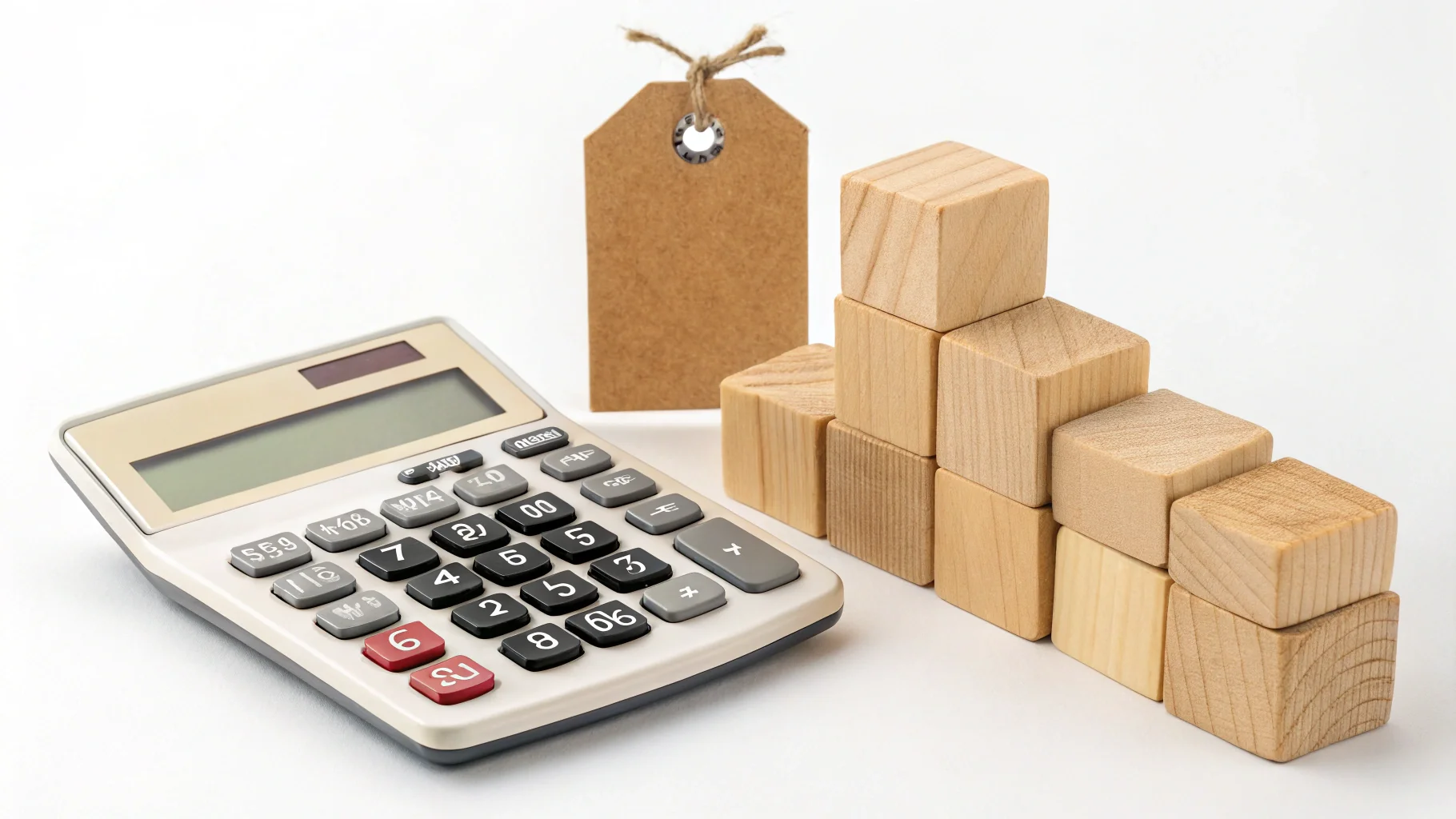
私は常にクライアントに、見積価格はデザイナーとしての決定を直接反映していると伝えています。すべての曲線、すべての色、すべての素材の選択には、それに関連するコストがかかります。これらのコスト要因を理解することは、美しく機能的であるだけでなく、商業的に実行可能な製品を設計するために不可欠です。安い見積もりが必ずしも良い見積もりであるとは限りません。最終的な単価を実際に構成するものを詳しく見てみましょう。
材料費
選択する木材の種類が主なコスト要因となります。輸入されたヨーロッパのブナや北米のカエデなどの広葉樹は高級素材であり、価格も高くなります。バスウッドやバーチなどの中国産の木材は、品質と価格のバランスが取れています。最も安価な選択肢はパイン材であることが多いですが、これは針葉樹であり、へこみや割れが発生しやすいため、高品質のおもちゃにはあまり適していません。
製造の複雑さ
設計が複雑になればなるほど、費用も高くなります。単純なブロックはすぐに作成できます。複雑な曲線が多いおもちゃでは、より多くの CNC 機械時間が必要になります。複数の部品を手作業で組み立てる必要がある製品は、人件費が高くなります。色の数や仕上げの種類によっても価格が上がります。
注文量 (MOQ)
これは単価を決定する最も重要な要素です。工場には最小注文数量 (MOQ) があり、多くの場合 500 ~ 2,000 ユニットの間です。セットアップコスト (CNC のプログラミング、治具の作成、塗料の混合) は、100 台でも 1,000 台でも同じです。セットアップ費用を大規模な注文に分散すると、おもちゃあたりの価格が大幅に下がります。
| 原価構成要素 | 説明 | 価格への影響 |
|---|---|---|
| 原材料 | 木材自体のコスト。 | 高(ブナ)から低(パイン)まで |
| 労働・機械加工 | 切断、研磨、組み立ての時間です。 | 複雑なデザインの場合は高い |
| 仕上げ | 絵画、印刷、彫刻。 | 色/ステップが増えると増加します |
| 包装 | カスタムボックス/バッグのコスト。 | 複雑さによって異なります |
| MOQ | 注文されたユニットの合計数。 | 量が多い = 単価が安い |
サプライヤーからの最初の見積もりが常に最終価格となります。間違い
初回お見積りは、お客様のデザインに基づいたお見積りです。最終的な価格は、プロトタイプからのフィードバック (例: デザインの変更)、原材料コストの変動、または送料の変更によって影響を受ける可能性があります。見積もりに何が含まれているか (テスト、配送など) を必ず確認してください。
木製玩具の金型コストは、一般にプラスチック射出成形よりもはるかに低くなります。真実
これは重要な利点です。木製玩具は CNC プログラミングとシンプルな治具で成形されるため、セットアップコストが最小限に抑えられます。プラスチック射出成形では大きくて複雑な鋼製金型を作成する必要があり、単一の部品を製造するまでに数万ドルの費用がかかる場合があります。
中国からカスタムの木製玩具を注文する場合、通常の納期はどのくらいですか?
製品の発売を計画する必要があるが、生産スケジュールについては不明です。計算違い リードタイム[^6] は、ホリデーシーズンなどの主要な販売シーズンを逃すことを意味する可能性があります。ここでは、設計から納品までの現実的なタイムラインを示します。
通常、注文確認から配送までに 60 ~ 90 日かかります。内訳は、試作の場合は 10 ~ 20 日、量産の場合は 30 ~ 45 日、海上輸送の場合は 20 ~ 30 日です。これは、複雑さや工場のスケジュールによって異なる場合があります。
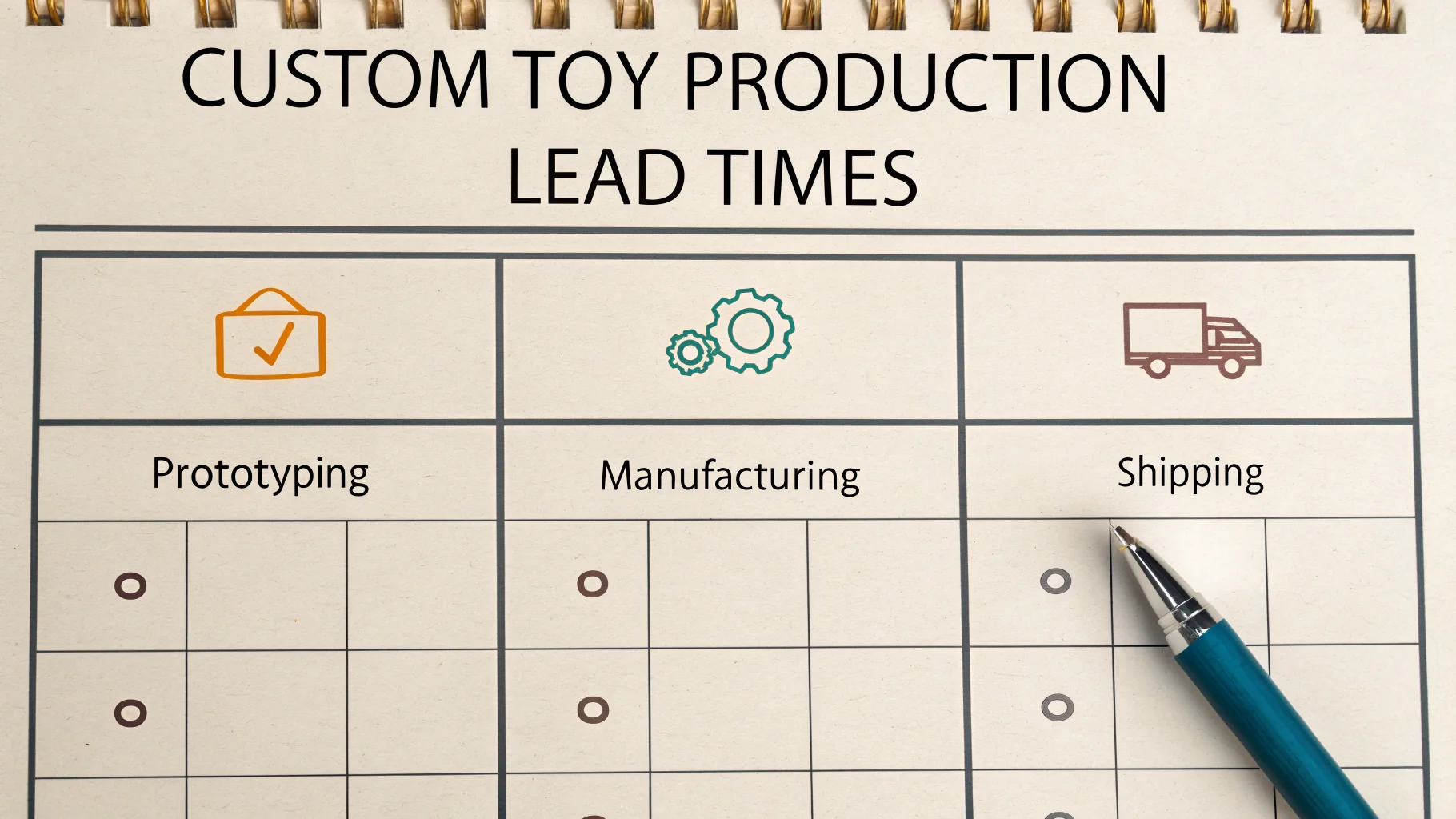
時は金なり、製造業ではタイミングがすべてです。私は、有望な製品が発売が 1 か月遅れ、市場の窓口を完全に逃したために失敗するのを見てきました。リードタイムを単一の数値として考えるのではなく、それぞれに遅延の可能性がある一連のフェーズとして考える必要があります。このタイムラインの計画は、製品自体を設計するのと同じくらい重要です。バッファーを組み込んだ現実的なスケジュールは、直前のパニックに対する最善の防御策です。
フェーズ 1: プロトタイピングと改良 (10 ~ 20 日)
デザインを提出すると、工場で物理的なサンプルが作成されます。このプロセスには 1 ~ 3 週間かかる場合があります。このサンプルは承認のために発送されます。修正が必要な場合は、新しいサンプルを作成する時間を考慮する必要があります。このフェーズを短く抑えるには、明確なコミュニケーションと詳細なフィードバックが鍵となります。
フェーズ 2: 量産 (30 ~ 45 日)
最終試作品をご承認いただき、大量のご注文をいただくと、量産が開始されます。これは最も長いフェーズです。これには、すべての原材料の調達、部品の切断と成形、研磨、塗装、組み立て、最終梱包が含まれます。正確な時間は、注文数量とおもちゃの複雑さによって異なります。
フェーズ 3: 品質管理と出荷 (20 ~ 30 日以上)
商品が工場から出荷される前に、最終的な品質管理検査を実行する必要があります。その後、商品の発送が予約されます。中国から北米またはヨーロッパへの海上輸送には通常、海上で 20 ~ 30 日かかり、さらに両端の通関手続きにさらに数日かかります。
| 生産段階 | 通常の期間 | 主な活動 |
|---|---|---|
| プロトタイピング | 10~20日 | サンプルの作成、発送、レビューと承認。 |
| 量産 | 30~45日 | 材料調達、CNC切断、研磨、塗装、組み立て。 |
| 配送(海上) | 20~30日 | 海上通過時間。通関手続きは含まれません。 |
| 合計推定値 | 60~95日 | 最終的な設計承認から到着港まで。 |
旧正月は生産スケジュールに大きな影響を与えません。間違い
これは危険なほど間違っています。中国の旧正月は、製造業のカレンダーにとって最大の混乱です。工場は2~4週間完全に閉鎖される。余裕を持って注文するか、1 月から 3 月の間に発生する生産に大幅な遅れが生じることを想定して、これを計画する必要があります。
航空貨物は船便よりもはるかに早いですが、かなり高価です。真実
これは正しいです。航空貨物を利用すると輸送時間が 1 か月から約 1 週間に短縮されますが、コストは船便の 5 ~ 10 倍になる可能性があります。これは、非常に少量で高額の貨物または緊急事態の場合にのみ実行可能です。
結論
成功には、適切な木材の選択、安全性の確保、カスタマイズの理解、コストとリードタイムの計画が不可欠です。これらの要素をマスターすれば、中国から高品質のおもちゃを効果的に調達できます。
参考文献
[^1]: 子供のおもちゃの耐久性と安全性に関するこれらの広葉樹の利点を探ってください。
[^2]: 玩具製造における重要な安全基準とテストプロセスについて学びます。
[^3]: 安全な仕上げ材を使用することが子供の健康と安全にとって重要である理由をご覧ください。
[^4]: 独立したテストによって安全基準への準拠がどのように保証されるかを学びます。
[^5]: CNC テクノロジーがおもちゃの設計における精度と複雑さをどのように実現するかを探ります。
[^6]: 生産スケジュールに関する洞察を取得して、製品の発売を効果的に計画します。
