
A Complete Guide to Wooden Toy Finishes: How to Choose the Right One?
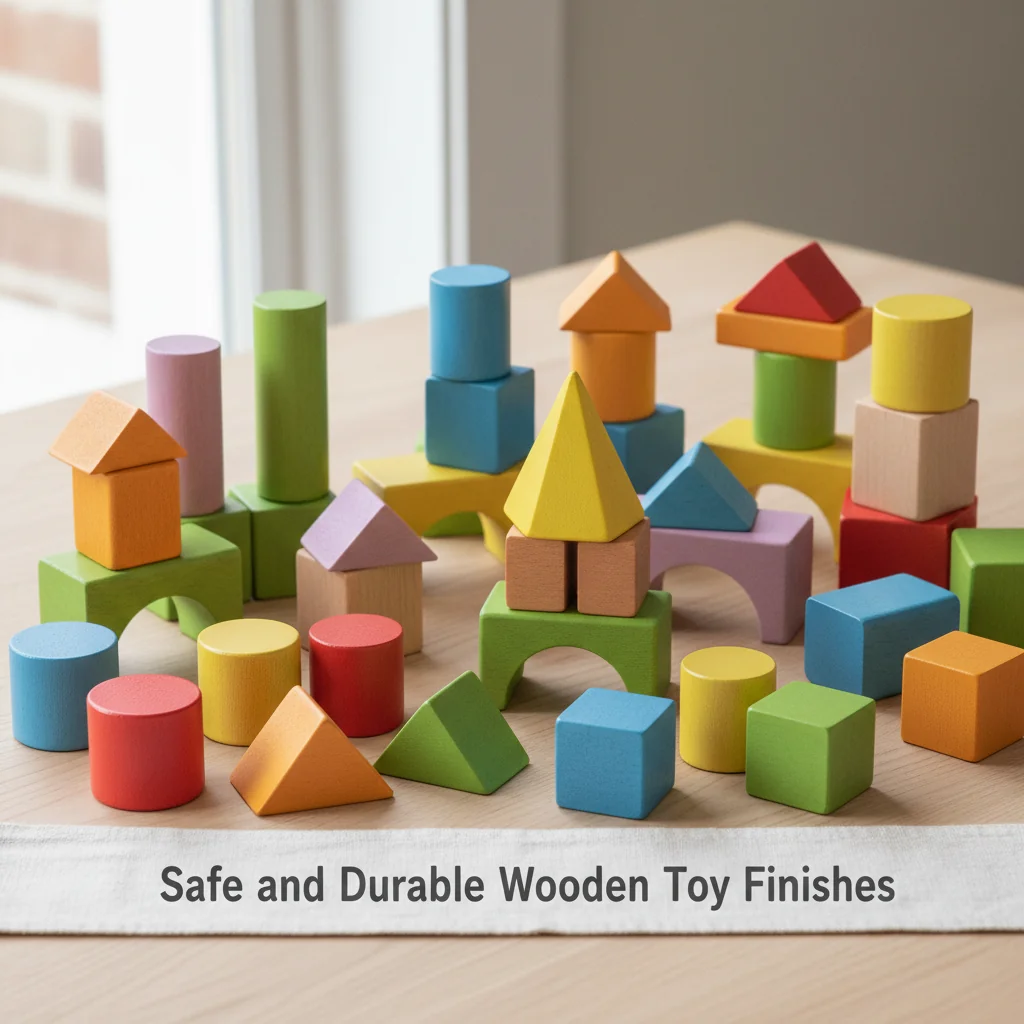
Choosing the wrong finish for a wooden toy can cause safety issues and poor durability. This can ruin your product's reputation. Understanding key finishes ensures safe, beautiful, and cost-effective toys.
Choosing the right wooden toy finish means prioritizing safety and durability. Select non-toxic[^1], child-safe options like water-based paints, shellac, or natural oils that comply with standards like ASTM F963. Your choice also depends on the desired look, application process, and overall production cost.
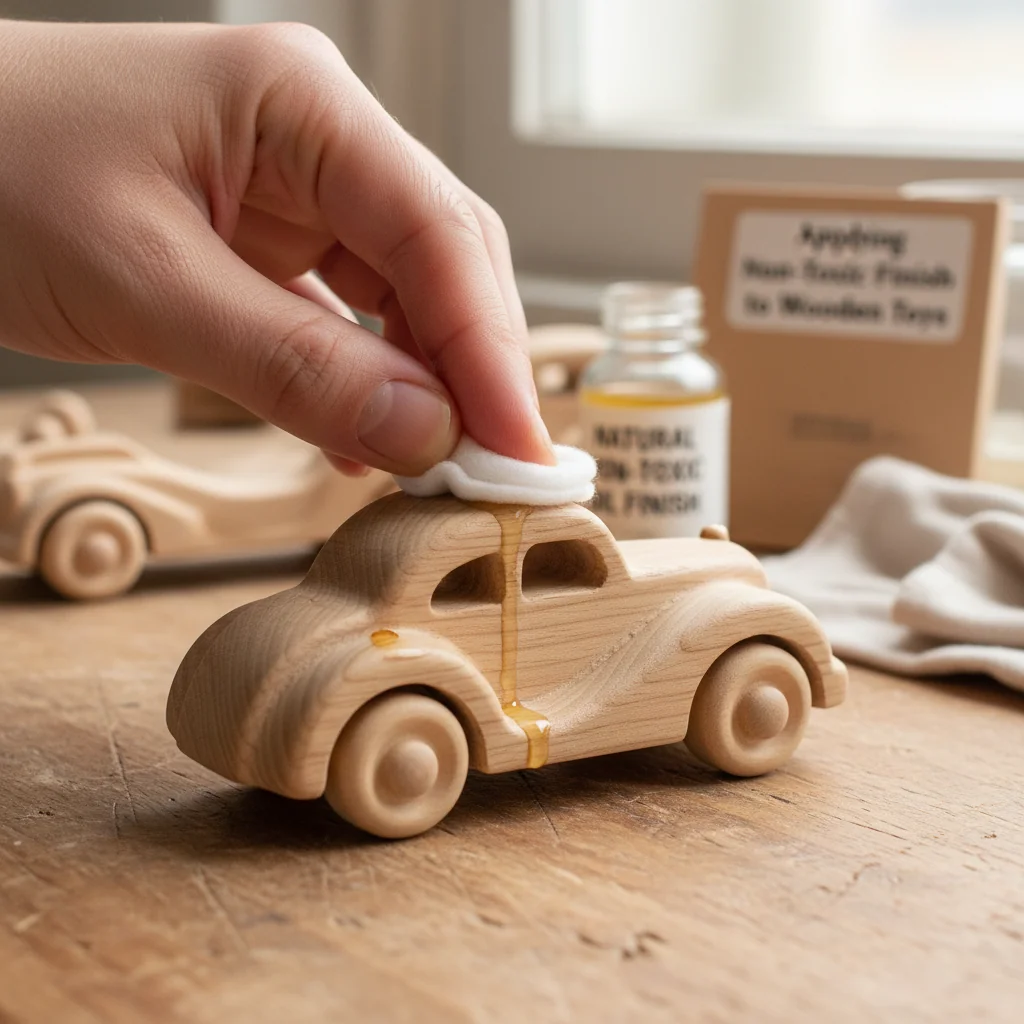
You might be wondering why a guy like me, who has spent his life in mold design and manufacturing, is talking about wooden toys. It’s a fair question. Recently, I helped a client in the toy industry, and it was a real eye-opener. I saw how many principles from our world of plastics and molds apply directly to traditional crafts like woodworking. It reminded me that understanding the full production lifecycle, from raw material to final inspection, is the key to mastering any manufacturing process. Whether you're molding a plastic part or carving a wooden block, the fundamentals of quality, safety, and cost-efficiency are exactly the same. Let's explore this process together, and I think you'll see the parallels are surprisingly clear.
모든 수성 페인트는 자동으로 무독성이며 어린이 장난감에 안전합니다.거짓
많은 수성 페인트가 용제형 페인트보다 안전하지만 모두가 무독성으로 인증된 것은 아닙니다. 페인트가 EN-71 또는 ASTM F963과 같은 특정 장난감 안전 표준을 준수하는지 확인해야 합니다.
밀랍은 아기가 씹어도 안전한 나무 장난감에 널리 사용되는 무독성 마감재입니다.진실
밀랍은 식품에 안전한 천연 왁스입니다. 코코넛이나 올리브 오일과 같은 식품 등급 오일과 혼합하면 이가 나는 유아에게 완벽하게 안전한 내구성 있고 무독성 마감이 만들어집니다.
What Does the Wooden Toy Production Process Really Involve?
생산 과정을 알고 있다고 생각하지만 숨겨진 문제로 인해 시간과 비용이 많이 소요됩니다. 간과된 각 단계는 지연과 결함을 추가하여 팀과 고객을 실망시킵니다.
그만큼 나무장난감 생산과정[^2] has several key stages. It starts with material selection, then cutting and shaping. After that comes sanding, finishing, assembly, and a final inspection. Each stage is critical for the final product's safety and quality.
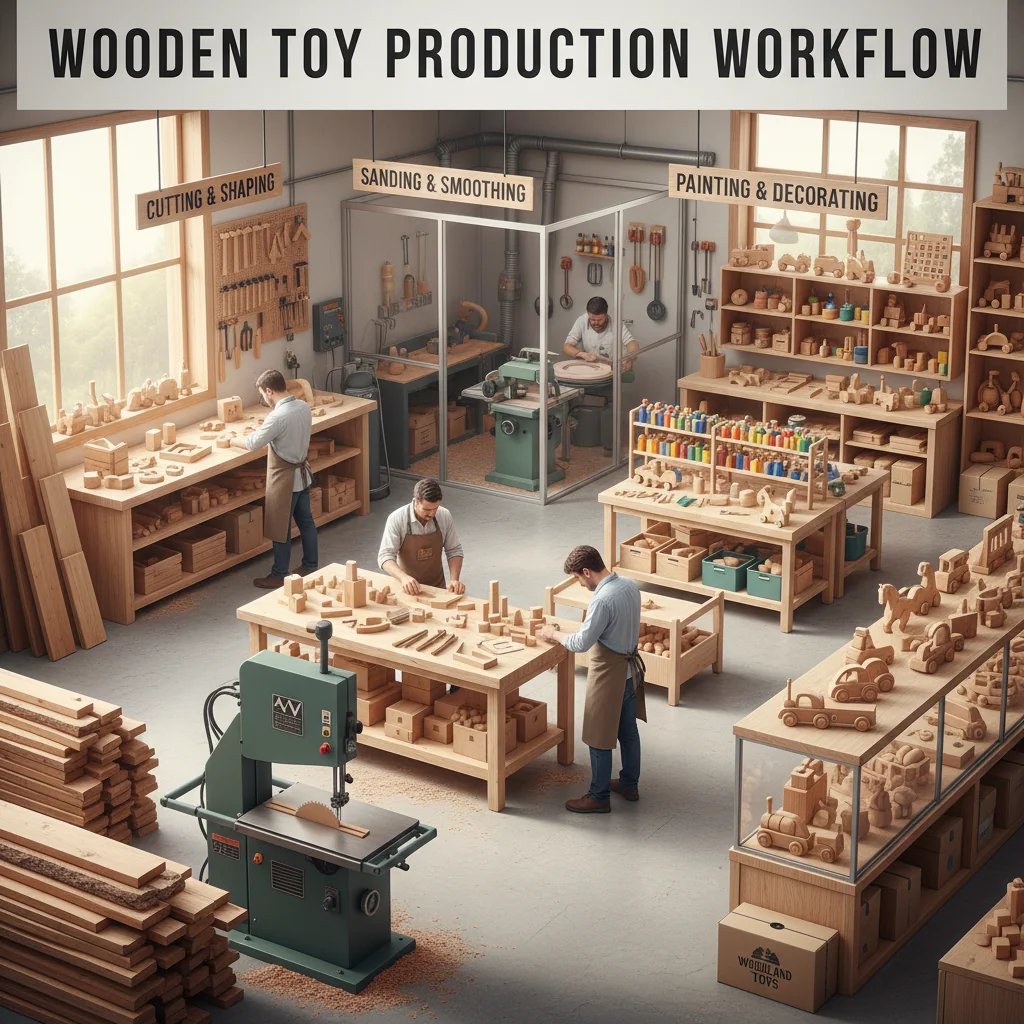
When I first walked through my client's wooden toy factory, it felt both different and familiar. The smell of sawdust replaced the hum of injection molding machines, but the logic was the same. It's all about transforming a raw material into a finished product efficiently. Breaking down the process helps you spot where things can be improved. This is true for making a toy car or a complex electronic enclosure. A flaw in an early step will always cause bigger problems down the line. Let's look at the main stages.
1. Raw Material Selection
Everything starts with the right material. In wooden toys, this means choosing woods that are durable and don't splinter easily. Hardwoods like beech, maple, or birch are excellent choices. In my world, this is like choosing between ABS, polycarbonate, or nylon. The material defines the product's performance.
| 목재 종류 | 주요 특징 | Best Use Case |
|---|---|---|
| 너도밤나무 | Hard, strong, splinter-resistant | Blocks, cars, figures |
| 메이플 | Very hard, smooth grain | Teething toys, rattles |
| 소나무 | Soft, lightweight, affordable | Larger items, playsets |
2. Shaping and Machining
Once the wood is selected, it needs to be cut and shaped. This is often done with CNC routers, which is something I know a lot about from making molds. The precision of CNC ensures every piece is identical. This is just like CNC 가공[^3] an aluminum mold. The goal is accuracy and repeatability.
3. Sanding and Finishing
This step is critical for safety and appearance. No child's toy can have sharp edges or a rough surface. The wood is sanded multiple times with finer and finer grits. This prepares it for the finish, which we discussed earlier. This is very similar to polishing a mold cavity to achieve a specific surface finish on a plastic part.
Softer woods like pine are always cheaper and therefore better for cost-effective toy production.거짓
While pine is often cheaper per board, it is also more prone to denting and splintering. This can lead to higher defect rates and more intensive sanding, potentially increasing overall production costs compared to a more durable hardwood.
The moisture content of wood must be controlled before production begins.진실
Wood with high moisture content can warp, crack, or shrink after it has been manufactured into a toy. Kiln-drying wood to a stable moisture level (typically 6-8%) is a critical first step for quality manufacturing.
How Can You Master Wooden Toy Inspection for Flawless Quality?
A single defective toy can lead to a product recall, damaging your brand's reputation. The fear of missing a critical flaw can keep you up at night, worrying about safety.
Mastering wooden toy inspection needs a multi-point checklist. It should cover material defects, structural integrity, and finish safety, like EN-71 or ASTM F963[^4] standards. This systematic approach minimizes risks and guarantees compliance with international safety standards.
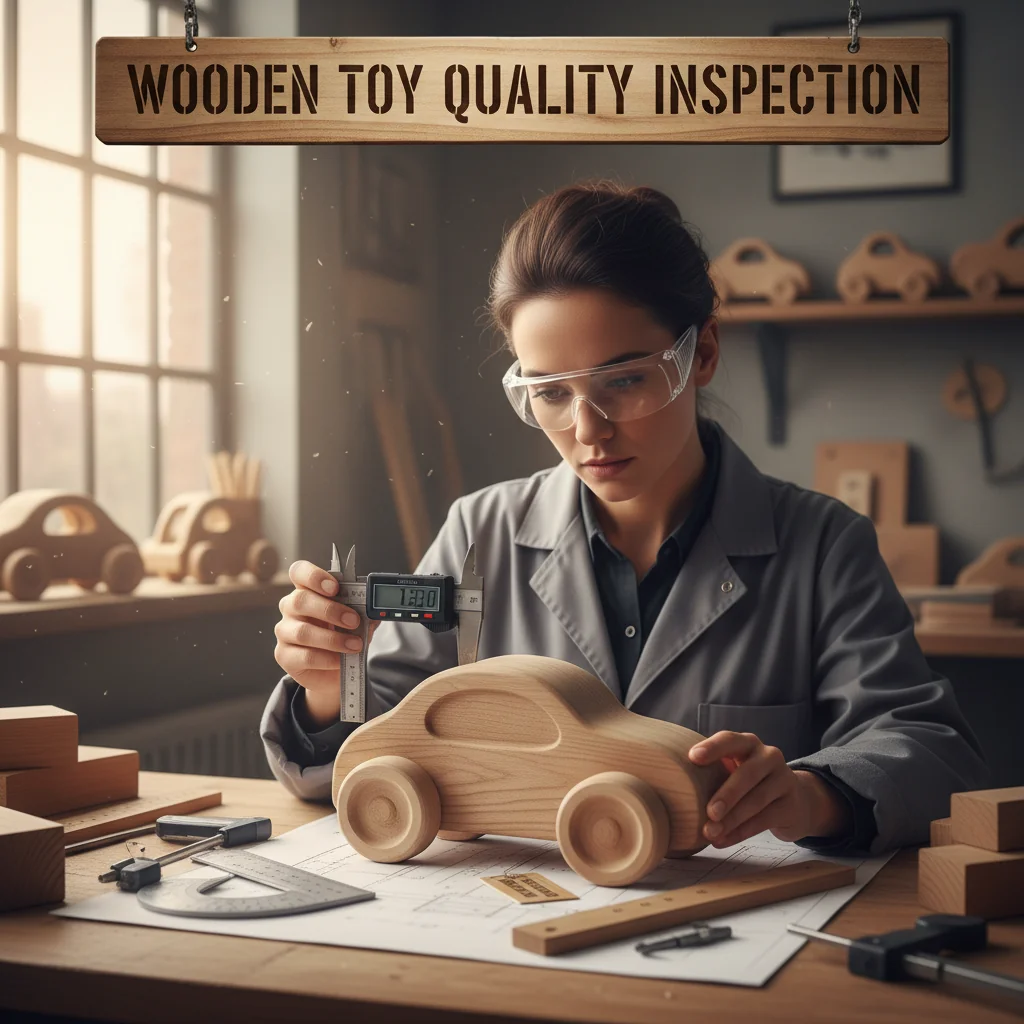
I've always said that you can't inspect quality into a product, you have to build it in. But inspection is the final gatekeeper that protects your customer and your company. For toys, this is even more important because children's safety is on the line. When I worked with my toy client, we developed a rigorous inspection protocol that borrowed heavily from the quality control systems we use for molded parts. It’s not just about looking for cracks; it’s a systematic process to verify every aspect of the toy against a set standard.
1. Safety Standard Compliance
This is the most important part. The finish and materials cannot contain harmful chemicals like lead or phthalates. We sent samples of the finished toys to a lab to test against standards like ASTM F963 in the US and EN-71 in Europe. We also performed physical tests. For example, we used special gauges to ensure no small parts could detach and become a choking hazard.
2. Dimensional and Aesthetic Checks
Just like with plastic parts, every piece of the toy has to be the right size and shape. If the axle for a toy car is too thick, the wheel won't spin. We used calipers to check critical dimensions. We also checked for aesthetic issues like inconsistent paint color or wood grain defects.
3. Durability Testing
Kids are not gentle with their toys. We simulated this by performing drop tests, impact tests, and pull tests on parts like wheels and heads. This is similar to the stress testing we do on plastic parts to ensure they can withstand real-world use.
Here is a simple checklist we started with:
| 점검 포인트 | Standard / Method | 목적 |
|---|---|---|
| Chemicals | Lab test (ASTM F963) | Check for lead, heavy metals |
| Small Parts | Small Parts Cylinder | Prevent choking hazards |
| Sharp Edges | Sharp Edge Tester | Prevent cuts and scrapes |
| 내구성 | Drop Test (from 3 ft) | Ensure structural integrity |
The EN-71 safety standard is recognized and accepted worldwide for all toys.거짓
EN-71은 유럽 표준입니다. 다른 지역에는 미국의 ASTM F963, 캐나다의 SOR/2011-17, 호주/뉴질랜드의 AS/NZS 8124와 같은 자체 필수 표준이 있습니다. 제조업체는 장난감이 판매되는 특정 지역의 표준을 준수해야 합니다.
'작은 부품 실린더'는 어린이의 목구멍을 시뮬레이션하기 위해 장난감 안전 테스트에 사용되는 표준화된 도구입니다.진실
장난감이나 장난감에서 떨어져 나가는 부품이 이 실린더 안에 완전히 들어가는 경우, 3세 미만 어린이에게 질식 위험이 있는 것으로 간주됩니다.
What Are the Smartest Ways to Reduce Wooden Toy Manufacturing Costs?
재료비와 인건비 상승으로 인해 모든 프로젝트에서 수익 마진이 압박을 받고 있습니다. 당신은 가격을 올리거나 더 낮은 이익을 받아들여야 하며, 둘 다 당신의 사업에 해를 끼칩니다.
To reduce wooden toy manufacturing costs, focus on optimizing material usage and streamlining the production workflow. Designing for manufacturability (DFM) and bulk purchasing raw materials can also create significant savings.
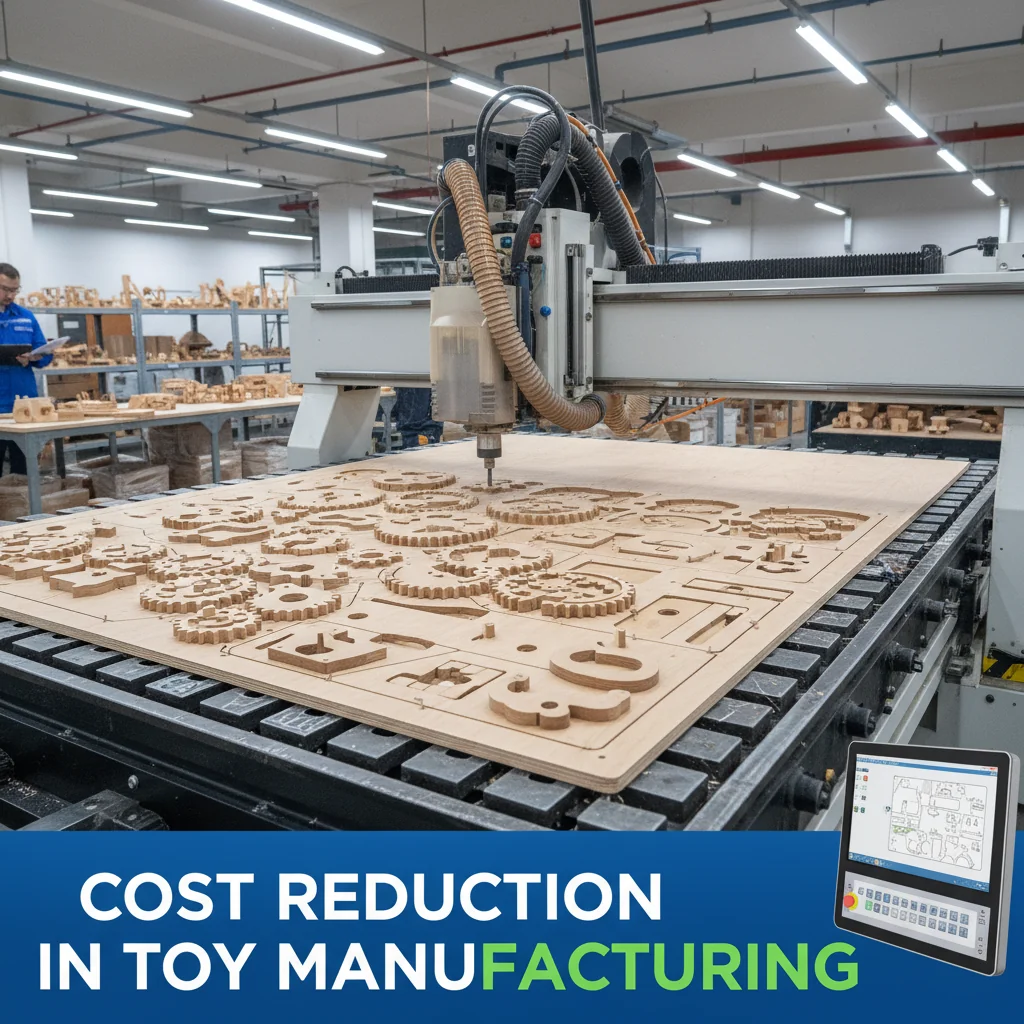
Every business owner I know, including myself, is always looking for ways to reduce costs without sacrificing quality. This was a major goal for my toy client. The principles for cost reduction[^5]는 보편적입니다. 장난감을 만들거나 첨단 부품을 만드는 것은 중요하지 않습니다. 결국에는 디자인, 재료, 프로세스가 더욱 스마트해집니다. 나는 성형 업계에서 수십 년 동안 배운 핵심 전략 중 일부를 공유했는데, 그 전략은 목재에도 잘 적용되었습니다.
1. 제조 가능성을 위한 설계(DFM)
Jacky님과 같은 디자이너가 가장 큰 영향을 미칠 수 있는 곳이 바로 여기입니다. 나무 한 그루를 자르기 전에 효율적으로 제품을 만들 수 있도록 디자인할 수 있습니다. 우리는 15개의 개별 나무 조각으로 구성된 장난감 트럭을 리뷰했던 것을 기억합니다. 디자인을 약간 변경하여 여러 부품을 결합하고 부품 수를 9개로 줄였습니다. 이는 절단 작업과 샌딩 작업이 줄어들고 조립 시간이 단축되어 비용 절감으로 직결되었습니다.
2. Material Optimization
목재는 금형용 강철이나 알루미늄과 마찬가지로 보드 단위로 판매됩니다. 목표는 각 보드에서 가능한 한 많은 부품을 얻는 것입니다. 우리는 절단하기 전에 소프트웨어를 사용하여 목재 부품의 레이아웃을 계획했습니다. 이것을 중첩이라고 합니다. 폐기물을 최소화합니다. 이는 플라스틱 폐기물을 줄이기 위해 금형의 러너 시스템을 설계할 때 사용하는 것과 동일한 생각입니다.
3. Process Automation
일부 작업은 반복적이고 시간이 많이 걸립니다. 장난감 공장의 경우 샌딩 작업은 엄청난 인건비였습니다. 평면 부품용 자동 샌딩 기계를 살펴보았습니다. 초기 투자였지만 장기적으로 절감한 인건비는 엄청났습니다. 절단에 CNC 기계를 사용하는 것은 수작업을 줄이고 일관성을 향상시키는 또 다른 형태의 자동화입니다.
| 비용 절감 방법 | 품질에 미치는 영향 | 구현 노력 |
|---|---|---|
| DFM | Can improve quality | 낮음에서 중간까지 |
| Material Nesting | No impact | Low (requires software) |
| Process Automation | Improves consistency | High (requires investment) |
Buying the cheapest wood available is the most effective way to lower material costs.거짓
The cheapest wood is often low-grade with knots, cracks, or a tendency to warp. This leads to a higher defect rate and more waste, which can ultimately increase the total cost per finished toy.
Simplifying a product's design by reducing its part count is a core principle of Design for Manufacturability (DFM).진실
Fewer parts mean fewer manufacturing steps, less assembly time, lower tooling complexity, and fewer potential points of failure. This is one of the most effective strategies for reducing production costs.
결론
Mastering production, from finishes to cost control, is key. These principles work across industries, helping you deliver quality products and grow your business, whether in mold making or woodworking.
참고자료
[^1]: Exploring non-toxic finishes is crucial for ensuring children's safety and compliance with health standards.
[^2]: Learning about the production process can help improve quality and efficiency in toy manufacturing.
[^3]: Understanding CNC machining can enhance precision and efficiency in the manufacturing process.
[^4]: Understanding ASTM F963 helps manufacturers ensure their toys meet essential safety standards for children's products.
[^5]: Exploring cost reduction strategies can help manufacturers maintain profitability without sacrificing quality.
