 Skip nav naverokê

Çavkaniya hilberên bamboo yên xwerû xeternak xuya dike. Pirsgirêkên kalîteyê û astengên pêwendiyê dikarin projeya we hilweşînin. Ez ê nîşanî we bidim ka meriv wê çawa wekî pisporek rêve bike û wê rast bigire.
Mifteya serketî ya hilberîna hilberê bamboo ya serketî pêvajoyek pir-gav e. Bi dîtina a çêkera pêbawer a Chineseînî[^1], nexşeyên sêwiranê yên zelal peyda dike, hûrguliyên hilberîna girseyî têdigihîje, kontrolkirina kalîteyê ya hişk, û bi navgîniyê verastkirin. Ev rêber ji bo we her gavê vediqetîne.
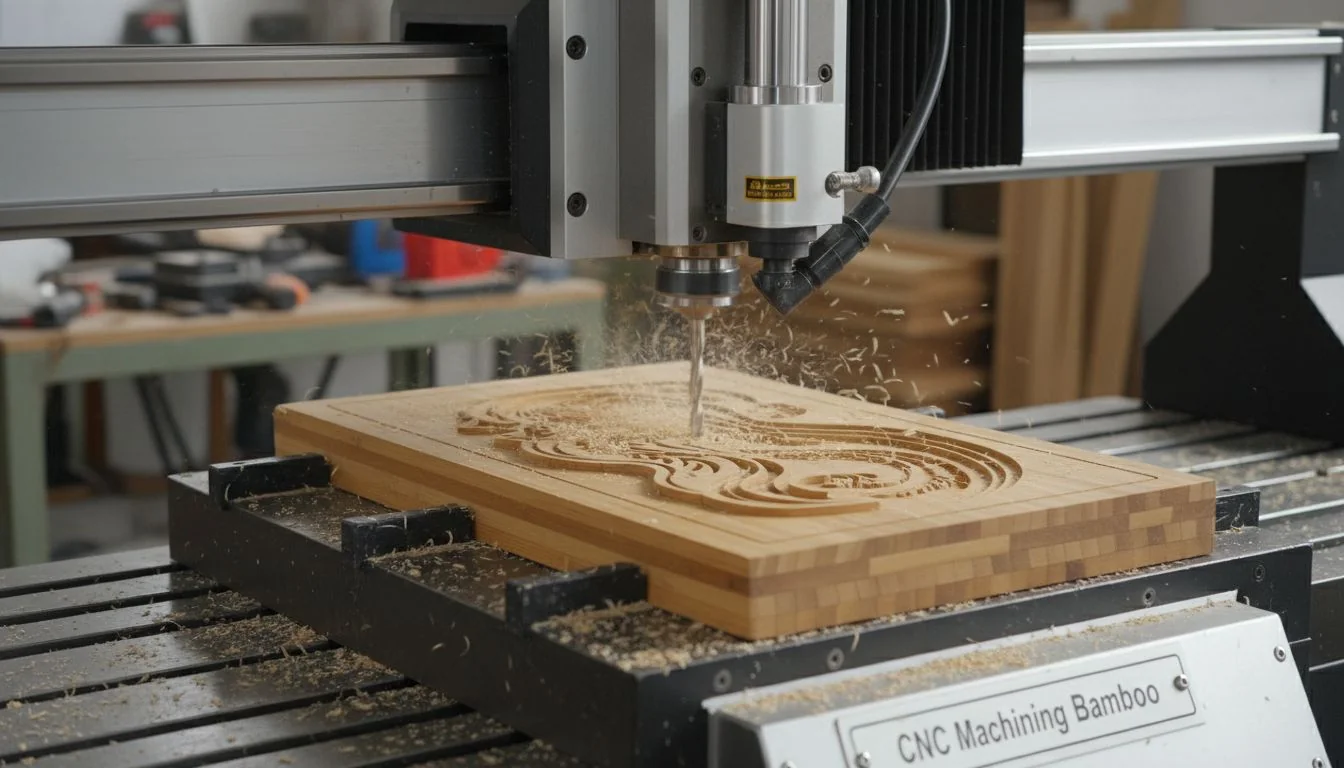
Min tevahiya kariyera xwe di cîhana çêkirina qalib û CNC de derbas kir, ji sêwiraneran re jî mîna we ku ramanên xwe zindî bikin, kir. Prensîbên çêkirina hilberên mezin yek in, gelo ew plastîk be an bambû be. Ew hemî bi pêvajoyek zexm ve tê. Werin em bi hev re di wê pêvajoyê de bimeşin, bi gava herî girîng dest pê bikin: dîtina hevkarê rast.
Bamboo ji hêla teknîkî ve celebek dar e.şaş
Bamboo celebek giya ye, ne dar e. Ev ciyawazî girîng e ji ber ku ew bandorê li taybetmendiyên wê dike, wek mînak rêjeya mezinbûna wê ya bilez û avahiya genim a bêhempa, ku bandorê li pêvajoyên hilberînê dike.
Çîn ji sedî 80ê hilberên bamboyê yên cîhanê hilberîne.rast
Çîn mezintirîn hilberîner û hinardekarê bamboyê yê cîhanê ye, bi binesaziyek mezin û pisporiya kûr di çandin û hilanîna bamboyê de, ku ew dike navendek bingehîn a çavkaniyê.
Meriv çawa li Chinaînê Hilberînerek Berhemên Bambooyê Pêbawer dibîne?
Lêgerîna hilberînerek baş a serhêl pir zêde ye. Hûn ji xapandin, kalîteya belengaz û astengiyên ziman ditirsin. Ez ê nexşeyek rêyek zelal bidim we da ku hûn hevkarek pêbawer bibînin.
Bi platformên B2B yên serhêl ên mîna Alibaba dest pê bikin, lê li wir nesekinin. Bi kontrolkirina lîsansên karsaziyê, sertîfîkayan (wek FSC ji bo bamboo), û raporên kontrolkirina kargehê, wan kontrol bikin. Referansan bipirsin û li pisporên hilberîna bambooyê bigerin, ne tenê pargîdaniyên bazirganiya gelemperî.

Dive Deeper: Vebijêrk Hevkarê Hilberîna Xwe
Dîtina dabînkerek hêsan e; dîtina yê rast zehmet e. Tê bîra min xerîdarek ku hema hema bi hezaran bi dabînkerek ku li ser kaxezê xweşik xuya dikir lê tenê pargîdaniyek bazirganiyê bû ku fabrîkek rastîn tune bû, winda kir. Diviyabû em bikevin dewrê û ji wan re pisporekî rast bibînin. Vetting nayê danûstandin. Pêdivî ye ku hûn ji rûpela pêşîn a malpera wan kûrtir bikolin. Hevkarek hilberîna rastîn dê xwediyê pisporiya teknîkî be ku ne tenê hilbera we çêbike lê di heman demê de çêtirkirinan jî pêşniyar dike. Li Moldle, teknîsyenên me yên bi ezmûn û endezyarên firotanê bi vî rengî rêbernameyê peyda dikin, lê hûn hewce ne ku pê ewle bibin ku kargeha weya bijartî xwedî hişmendiyek wusa ye.
gavên Vetting Key
| Gav | Çalakî | Çima Girîng e |
|---|---|---|
| 1. Lêgerîna serhêl | Alibaba, Made-in-China.com, û navnîşên pîşesaziyê bikar bînin. | Ev xala weya destpêkê ye ku hûn navnîşek dirêj a dabînkerên potansiyel biafirînin. |
| 2. Nîşandana Destpêkê | Profîla pargîdaniya wan, salên karsaziyê, û baldariya hilberê kontrol bikin. | Bazirganên giştî derxînin. Hûn ji bo zanîna wan a materyalê pisporek bamboo dixwazin. |
| 3. Daxwaza Belgeyên | Lîsansa Karsaziya wan bipirsin, ISO 9001, û sertîfîkaya FSC[^2]. | Ev piştrast dike ku ew karsaziyek rewa ne û standardên kalîteyê û domdariyê dişopînin. |
| 4. Testa Ragihandinê | Bersivdariya wan, jêhatîbûna Englishngilîzî, û têgihîştina teknîkî binirxînin. | Têkiliya baş girîng e ku meriv di dema hilberînê de ji têgihîştinê dûr nexe. Divê ew sêwirana we fam bikin. |
All suppliers listed as 'Gold Supplier' on Alibaba have been physically audited.şaş
A 'Gold Supplier' status is a paid membership. While Alibaba does offer verification services, you must specifically look for suppliers who are 'Verified' and check their audit reports, not just the 'Gold' badge.
Sertîfîkaya FSC (Meclîsa Rêvebiriya Daristanê) nîşanek sereke ya dabînkerek bambooyê berpirsiyar e.rast
Sertîfîkaya FSC piştrast dike ku bamboo ji daristanên bi berpirsiyarî têne rêve kirin, ku ev faktorek krîtîk e ji bo marqeyên ku li ser domdariyê disekinin û xalek firotanê ya sereke ji bo xerîdarên eko-hişmend e.
Ma Hilberên Bamboo yên Xweser Bi Rastî Ji Xerîdar Skêçên Berfireh Dixwazin?
Ji bo hilberek bamboo ya xwerû ramanek we heye. Lê hûn nebawer in ku çêker hewceyê kîjan asta hûrguliyê ye. Talîmatên nezelal dibe sedema xeletiyên biha û bêhêvî.
Yes, absolutely. To get exactly what you want, you must provide detailed 2D and 3D drawings. These sketches should include dimensions, tolerances, material specifications, surface finish requirements, and assembly instructions. This is your primary communication tool with the factory's engineer.

Dive Deeper: From Sketch to Reality
I've seen projects fail because of a single missing dimension on a drawing. As a designer, your CAD file is your contract with the factory. It must be perfect and leave no room for guessing. I always tell people to think of it as the blueprint for a house; you wouldn't let a builder start working from a rough napkin sketch, would you? The same applies here. The more detail you provide upfront, the smoother the process will be. A professional manufacturer will appreciate this level of detail because it makes their job easier and ensures they can deliver exactly what you're paying for. It shows you are a serious partner.
Essential Elements for Your Design Files
| Element | Description | Example |
|---|---|---|
| 3D Model | A file in a universal format like .STEP or .IGES. | This allows the manufacturer to see the product from all angles and use it for CNC programming. |
| 2D Drawings | Detailed blueprints with all critical information. | Include dimensions, geometric dimensioning and tolerancing (GD&T), and callouts for specific features. |
| Material Spec | Specify the type of bamboo (e.g., Moso) and any treatments. | "Natural Moso Bamboo, carbonized finish." |
| Finish Spec | Define the desired surface texture and coating. | "Sanded smooth to 220 grit, finished with food-safe mineral oil." |
A simple hand-drawn sketch is enough for a manufacturer to start production.şaş
For custom wholesale production, professional CAD drawings (2D and 3D) are required to ensure precision, consistency, and to avoid misinterpretation. Hand sketches are only for the initial idea stage.
Providing a .STEP file is a standard practice for sharing 3D models with manufacturers.rast
.STEP is a neutral CAD format that can be opened by almost any CAD software, making it ideal for collaboration between designers and manufacturers who may use different systems.
What Should You Pay Attention to During Bulk Production?
Your sample was perfect, so you approved bulk production. Now you're worried if the quality will be consistent across thousands of units. This is a common and valid fear.
During bulk production, focus on consistency. Key areas are raw material consistency, machine calibration, and the "golden sample[^3]." Use the approved pre-production sample as the absolute benchmark for every unit that comes off the line. Regular communication is crucial.

Dive Deeper: Maintaining Quality at Scale
Scaling from one perfect sample to 10,000 units is the real test of a manufacturer. I always tell my clients to establish clear quality checkpoints throughout the process. Don't just wait until the end to inspect everything. Bamboo is a natural material, which means it has variations. A good factory knows how to manage this. They will have processes for sorting raw materials by color and grain to ensure the final products look uniform. You should ask them about these processes. This is where a true bamboo specialist shines compared to a general factory. They understand the material's unique challenges and have solutions ready.
Key Focus Areas for Bulk Production
| Area | Çalakî | Çima Girîng e |
|---|---|---|
| Raw Material | Confirm the factory is using the same batch or supplier of bamboo as the sample. | Bamboo's color, grain, and density can vary, affecting the final product's look and feel. |
| Tooling & Jigs | Ensure that molds, cutting tools, and assembly jigs are maintained. | Worn-out tools can lead to dimensional inaccuracies and defects over a long production run. |
| First-Article Inspection | Inspect the first few pieces off the production line against the golden sample. | This catches any setup errors early before thousands of bad parts are made. |
| Production Monitoring | Ask for regular updates, photos, and even short videos from the factory floor. | This keeps you informed and shows the factory you are paying close attention to quality. |
Once a sample is approved, you don't need to monitor the bulk production process.şaş
Continuous monitoring is essential. Issues like tool wear, material variation, or operator error can arise during bulk production that were not present during sampling.
A 'golden sample' is the pre-production sample approved by the client, used as the quality standard for mass production.rast
This physical sample serves as the ultimate, non-negotiable reference for quality control inspectors to compare against the units being produced. It is more reliable than photos or drawings.
How Can You Truly Guarantee Quality for Your Bamboo Products?
You can't be at the factory 24/7. So how do you ensure every product meets your standards? Relying on the factory's internal QC alone is a huge and costly risk.
Guarantee quality with a multi-layered approach. Create a detailed quality control checklist[^4], use a third-party inspection service for key milestones, and have a clear agreement on how to handle defects. Never release final payment until quality is confirmed.
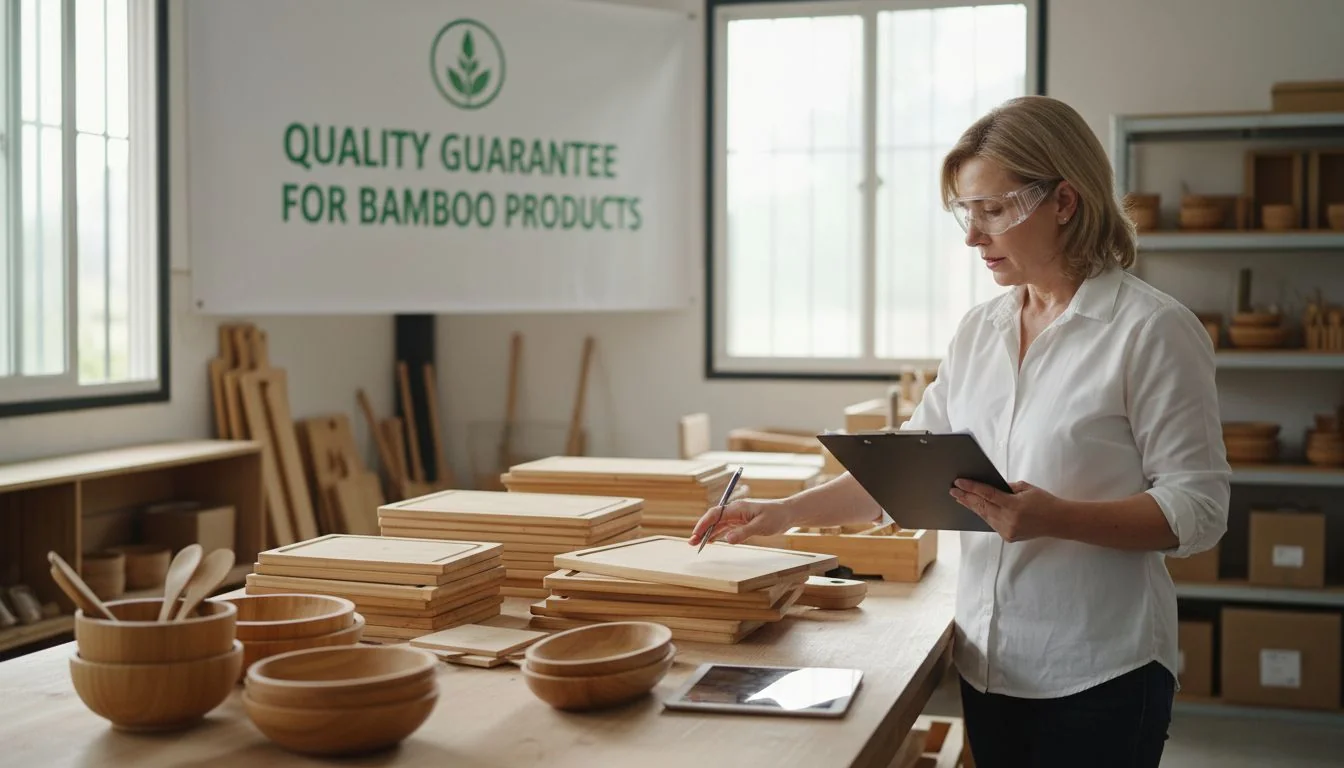
Dive Deeper: Building a Quality Assurance System
In my early days running my trading company, I learned a tough lesson by trusting a factory's "100% QC passed" report. The shipment arrived, and 30% of the products were defective. It was a disaster. Now, I build a system of checks and balances for every project. You need to control the quality process yourself. This means creating your own standards and having your own people check them. A third-party inspector acts as your eyes and ears in the factory. They are unbiased and work for you, not the factory. This is one of the best investments you can make to protect your business and ensure you get what you paid for.
Your Quality Guarantee Toolkit
| Tool | Description | How to Use It |
|---|---|---|
| QC Checklist | A detailed document listing all inspection points, tolerances, and pass/fail criteria. | Provide this to the factory and your third-party inspector. It leaves no room for interpretation. |
| Third-Party Inspection | Hire an independent company to inspect the goods at the factory. | Schedule a Pre-Shipment Inspection (PSI) when 80% of the order is complete but before it's packed. |
| Defect Classification | Define what constitutes a minor, major, or critical defect in your contract. | Example: A small scratch (minor), a crack (major), a safety hazard (critical). |
| Payment Terms | Structure your payment to hold leverage. | A common structure is 30% upfront and 70% after you receive and approve a passed inspection report. |
The factory's internal quality control is always sufficient to guarantee quality.şaş
While factories have their own QC, their standards may not align with yours, and they have a vested interest in shipping the product. An independent third-party inspection provides an unbiased assessment.
AQL (Acceptable Quality Limit) is a statistical standard used to determine inspection sample size and pass/fail criteria.rast
Using AQL standards (e.g., AQL 2.5) is the professional industry method for conducting product inspections and making an objective decision on whether to accept or reject a shipment.
Why is the Sampling Stage So Critical?
You're eager to start production and sampling feels like a slow, expensive step. Is it really necessary to spend time and money on samples before placing the main order?
Sampling is your most important risk-reduction tool. It validates your design, tests the manufacturer's capability, and confirms material and finish choices before you commit to a large, expensive order. A good sample is proof the factory can deliver on its promises.

Dive Deeper: The Power of a Physical Sample
I never, ever skip the sampling stage. It's the moment your digital design becomes a physical object you can hold and test. It's where you catch issues that are invisible on a computer screen, like the feel of the finish, the actual color of the bamboo, or the weight of the product. I've had clients realize their design was slightly too big or too small only after holding the first sample. Fixing that on a sample costs a few hundred dollars; fixing it after making 10,000 units can bankrupt a project. At Moldle, our experienced technicians and sales engineers always emphasize that a perfect pre-production sample is the foundation of a successful project. It is your single source of truth.
Types of Samples and Their Purpose
| Sample Type | Purpose | What to Check |
|---|---|---|
| Prototype Sample | To test form, fit, and function. Often made with different methods (e.g., 3D printing, hand-carving). | Does the design work as intended? Are there any ergonomic issues? Is it easy to assemble? |
| Pre-Production Sample (PPS) | Made with the final production tooling and materials. This becomes your "golden sample". | Check everything: dimensions, material, color, finish, assembly, and packaging. It must be perfect. |
| Production Sample | A random sample taken from the actual bulk production run. | Use this to verify that the quality is consistent with the approved PPS during manufacturing. |
You can save money by skipping samples and going directly to mass production.şaş
This is extremely risky and a classic beginner's mistake. The cost of a sample is tiny compared to the potential loss of an entire production run of defective goods.
The Pre-Production Sample (PPS) must be made using the exact same materials and processes as the final bulk order.rast
The purpose of the PPS is to be a perfect representation of what you will receive in your bulk order. Any deviation, no matter how small, invalidates its purpose as a quality benchmark.
Conclusion
Mastering bamboo wholesale involves finding the right partner, communicating with clear designs, and enforcing rigorous quality control. Follow these steps to turn your design into a successful, high-quality product.
References
[^1]: Understanding how to find a trustworthy manufacturer is crucial for ensuring quality and success in your bamboo product sourcing.
[^2]: FSC certification ensures sustainable sourcing, which is increasingly important for eco-conscious consumers.
[^3]: Understanding the concept of a golden sample can help you set quality benchmarks for your production runs.
[^4]: A well-structured quality control checklist is essential for ensuring that your products meet the required standards.

