
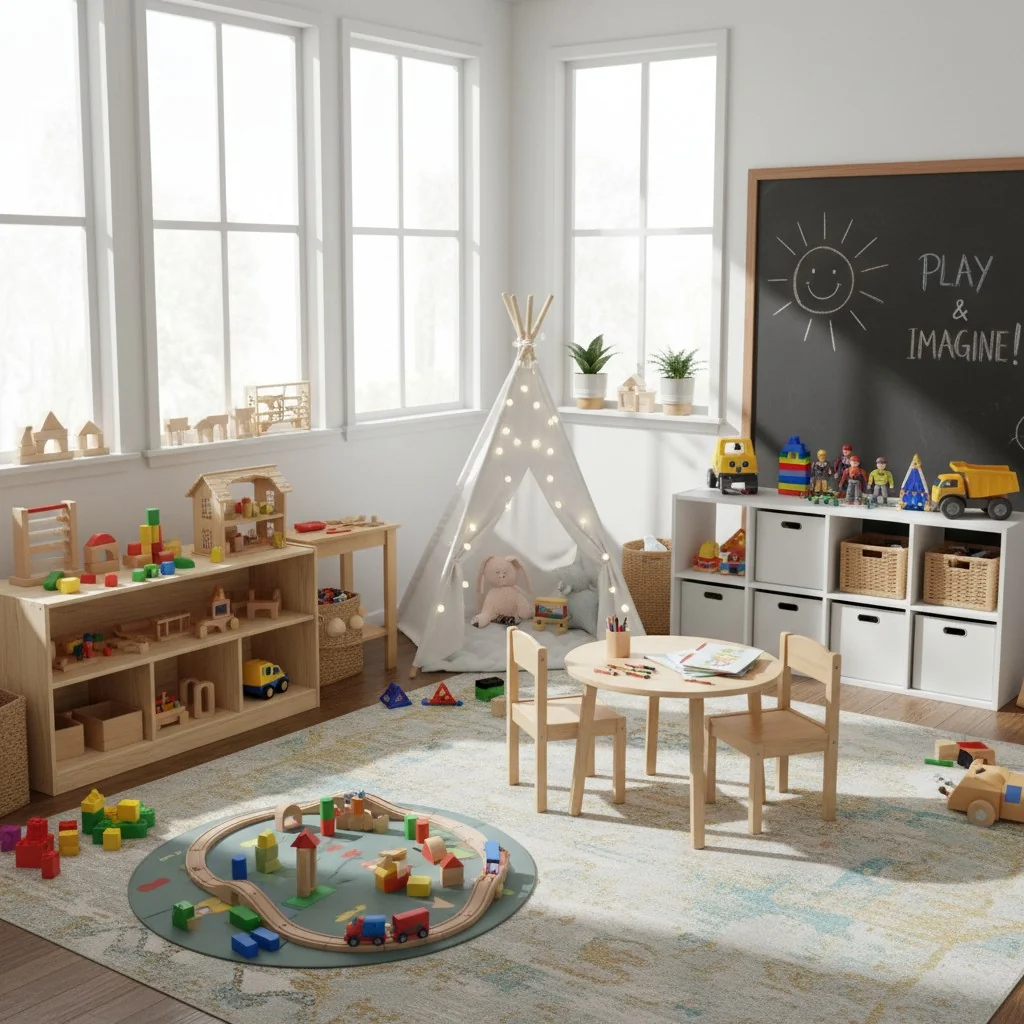
Overwhelmed by a mountain of plastic toys? You want something natural and durable for your kids, but the options are endless. Here’s how to choose the best.
The best wooden toys are open-ended, durable, and made from non-toxic materials[^1]. Think building blocks, simple vehicles, or puzzles. They encourage creativity and can last for generations, making them a superior choice to many single-use plastic alternatives.

As a father and someone who has spent his life in manufacturing, I look at my kids' toys differently. I see the design, the material, and the process behind each one. It's fascinating to compare a carved wooden block to an injection-molded plastic figure. In my world of mold making, we value precision, durability, and smart design. I see the same qualities in a good wooden toy. But I also understand the efficiency of plastic molding. Understanding how they are made helps us choose better for our kids. Let's explore this from a designer's perspective.
All plastic toys are toxic and unsafe for children.şaş
Gelek pêlîstokên plastîk ên nûjen ji plastîkên ewledar, ne-jehrîn ên mîna ABS an PP têne çêkirin û divê standardên ewlehiyê yên hişk bicîh bînin. Xemgîn bi gelemperî bi pêlîstokên kevntir an yên ku fthalates an BPA hene, yên ku bi giranî di hilberên zarokan de hatine derxistin e.
Pêlîstokên darîn bi xwezayî ji pêlîstokên plastîk bi hawîrdorparêztir in.rast
Wood çavkaniyek nûvekirî, biyolojîk e. Dema ku ji daristanên domdar tê peyda kirin, hilberîna wê li gorî plastîkên neftê xwedî şopek karbonê ya piçûktir e. Zêdeyî, domdariya wan tê wateya kêm çopê bi demê re.
Meriv çawa qada pêlîstoka zarokên xwe bi budceyek kêm organîze dike?
Ma jûreya weya rûniştinê herêmek karesata pêlîstokê ye? Organîzekirin biha û tevlihev xuya dike. Hûn dikarin bêyî ku gelek drav xerc bikin qadek lîstikê ya fonksiyonel, birêkûpêk biafirînin.
Ji bo ku li ser budceyek kêm birêxistin bikin, tiştê ku we berê heye bikar bînin. Qutiyên karton, selikên kevn, an çenteyên qumaşê ji nû ve bi kar bînin. Her tiştî bi wêne an peyvan bi zelalî nîşan bikin. Ya sereke ji bo her pêlîstokek 'xaniyek' destnîşankirî ye, paqijkirina hêsan û erzan dike.
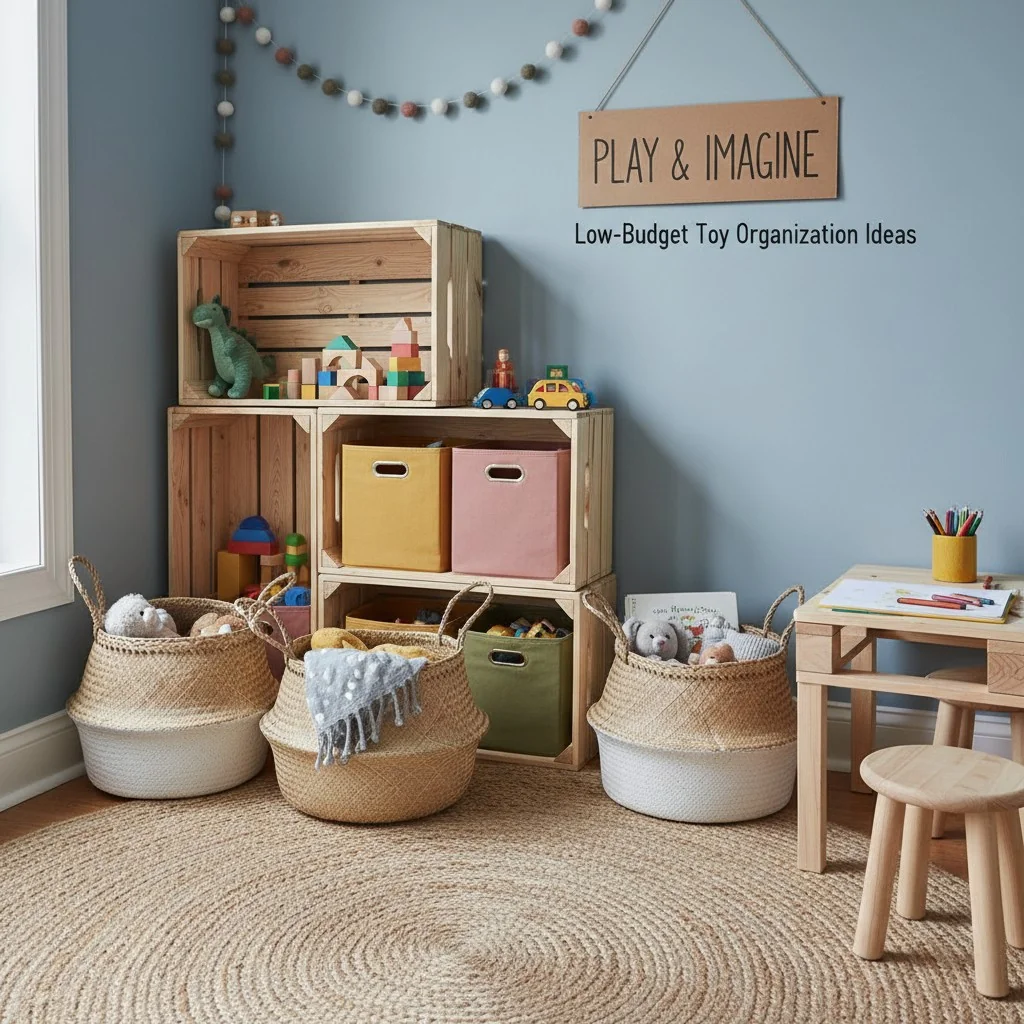
Dema ku em qalibek dîzayn dikin, her parçe xwedî armanc û cîhek e. Efficiency key e. Hûn dikarin heman ramanê li jûreyek lîstikê bicîh bikin. Ji bo afirandina nîzamê hûn ne hewce ne pergalek xweşik û biha. Ew li ser afirandina xebatek mentiqî ya ji bo zarokê we ye. Dema zarokên min biçûk bûn, 'pergala' me ya yekem tenê komek qutiyên kartonê yên bi etîket bû. Ew ne xweşik bû, lê fonksiyonel bû. Ew ji min re fêr kir ku fonksiyona li ser formê xalek destpêkek girîng e, mîna di prototîpa qalibê zû de. Hûn sêwiranê ceribandin û bibînin ka çi dixebite berî ku hûn sêwirana dawîn bikin.
Mîna Sêwiranek Bifikirin: Zonan diyar bikin
First, map out your space. Create zones for different activities: a reading nook, a building corner, an art station. This is like planning a factory floor for maximum efficiency. Each zone has its own dedicated tools and materials, which prevents everything from ending up in one giant pile.
Hilbijartina materyalê li ser budceyê
You don't need to buy new. Look around your house for containers you can repurpose.
| Storage Solution | Approx. Cost | Xweparêzî | Designer's Note |
|---|---|---|---|
| Cardboard Boxes | Free | Nizm | Excellent for prototyping your layout. Easy to label and replace. |
| Fabric Totes/Bags | Nizm | Medya | Great for soft toys and items without sharp edges. Adds a soft texture. |
| Wicker Baskets | Kêm-Medium | Medya | Aesthetically pleasing but can be hard for small items. |
| Used Plastic Bins | Nizm | Bilind | Very durable and stackable. Look for them at thrift stores. |
Hêza Labelê
A system only works if people know how to use it. For kids who can't read yet, use pictures. Print out a photo of the toy and tape it to the bin. This simple step makes them feel empowered to clean up on their own.
Expensive, custom-built storage systems are the only way to stay organized.şaş
The effectiveness of a storage system depends on its usability and consistency, not its price. A simple, well-labeled system that a child can use is far better than a costly, complex one they can't manage.
Rotating toys can make a small space feel bigger and more organized.rast
By storing some toys away and swapping them out periodically, you reduce visible clutter, renew your child's interest in 'old' toys, and make the daily cleanup task much more manageable.
Baştirîn rê ji bo birêxistinkirina pêlîstokên zarokan çi ye?
The toy chaos returns no matter how often you clean. You feel like you're constantly fighting a losing battle. You need a system that actually works for the long haul.
The best way is to categorize toys into broad groups (e.g., building, art, dolls, vehicles). Use clear or open-top bins for each category and label them with pictures. Store them on low, accessible shelves so kids can both get and put away toys themselves.
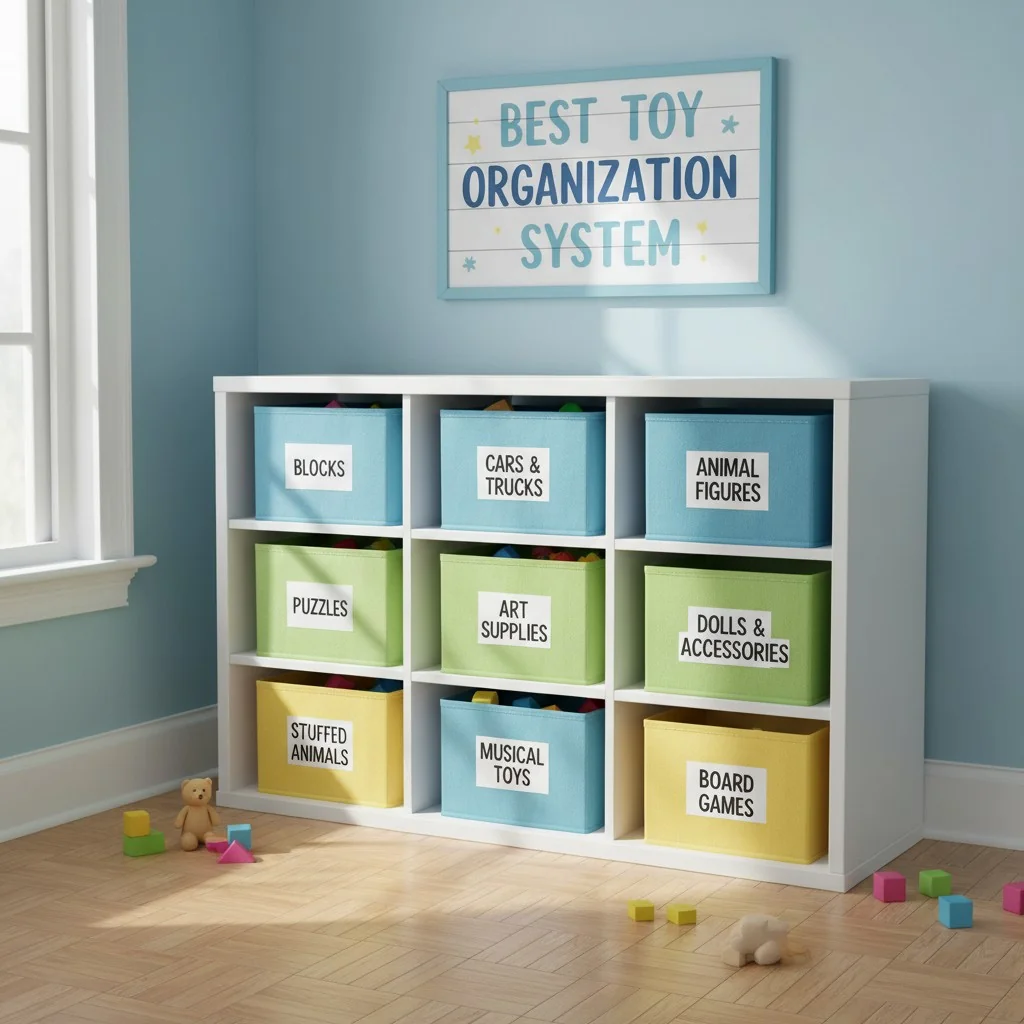
In a manufacturing plant, we use a system called 5S. A core principle is "A place for everything, and everything in its place." This isn't just about being neat; it's about efficiency. It reduces search time and makes any process smoother. You can bring this exact industrial-strength principle into your playroom. When a child knows exactly where the LEGOs go, they spend less time searching and more time building. And when cleanup time comes, the task is clear and simple, not overwhelming. It transforms the room from a chaotic space into a functional workshop for play.
Gav 1: Paqijkirina Pêlîstokên Mezin (Declutter)
Before you organize, you must simplify. Work with your child to go through all the toys. Get rid of anything broken, with missing pieces, or that they've outgrown. This is the hardest step, but it's the most important. A lean inventory is easier to manage.
Gav 2: Kategorîzekirin ji bo fonksiyonê
Tiştên mîna hev kom bikin. Zêde taybetî nebin. Kategoriyên berfireh ji bo zarokan çêtirîn dixebitin.
| Rêbaz Kategorî | Pros | Cons | Best For |
|---|---|---|---|
| Bi Tîp | Intuitive ji bo zarokan (hemî otomobîl diçin vir). | Dikare mezinahî û rengan tevlihev bike. | Piraniya odeyên lîstikê. Sîstema herî mantiqî ye. |
| Ji hêla Projeyê ve | Hemî tiştên ji bo yek çalakiyê di yek qutikê de. | Sazkirina bêtir hewce dike. | Pêdiviyên hunerî, kîtên zanistî, komên avahiyên taybetî. |
| Bi Rengê | Bi dîtbarî balkêş. | Ne fonksiyonel e. Zehmet e ku meriv pêlîstokek taybetî bibîne. | Kolek taybetî, mîna LEGO, ji bo çêkerên pêşkeftî. |
Gav 3: Navbera hilanînê sêwirandin
"Navbera" is how your child interacts with the storage. Low, open shelves are best. Kids can see everything, which encourages them to play. It also makes it easy for them to put things back. Clear bins are also great because they eliminate guessing. The goal is to remove as much friction as possible from the process of playing and cleaning.
Organizing toys by color is the most effective method for kids.şaş
While it can look beautiful, organizing by color is often confusing for children. They think in terms of function ('I want a car'), not color. Grouping by type is far more practical for play and cleanup.
Low, open shelving encourages a child's independence.rast
Dema ku zarok bêyî hewcedariya mezinan pêlîstokên xwe bibînin û bigihêjin, îhtîmal e ku ew bi tena serê xwe dest bi lîstikê bikin û, ya girîng jî, tiştan vegerînin cihê ku lê ne.
Hûn çawa dikarin organîzekirina pêlîstokan ji bo zarokan bikin lîstikek kêfê?
Dema paqijkirinê şerê îradeyê ye ku hûn ji şer westiyane. Xemgîn, nalîn, xemgînî - westandin e. Hûn dikarin vê karê tirsnak veguherînin lîstikek ku zarokên we bi rastî dixwazin ku bilîzin.
Wê bike lîstikek! Demjimêr û pêşbaziyê bikar bînin da ku pêlîstokan ji holê rakin, ji bo tiştên ku hûn paşve bavêjin 'Ez Spy' bileyzin, an jî xwe wekî 'valahiya pêlîstokê nîşan bidin.' Bikaranîna muzîkê, mîna 'stranek paqijkirinê' ya taybetî, di heman demê de veguherînê nîşan dide û peywirê xweştir dike.
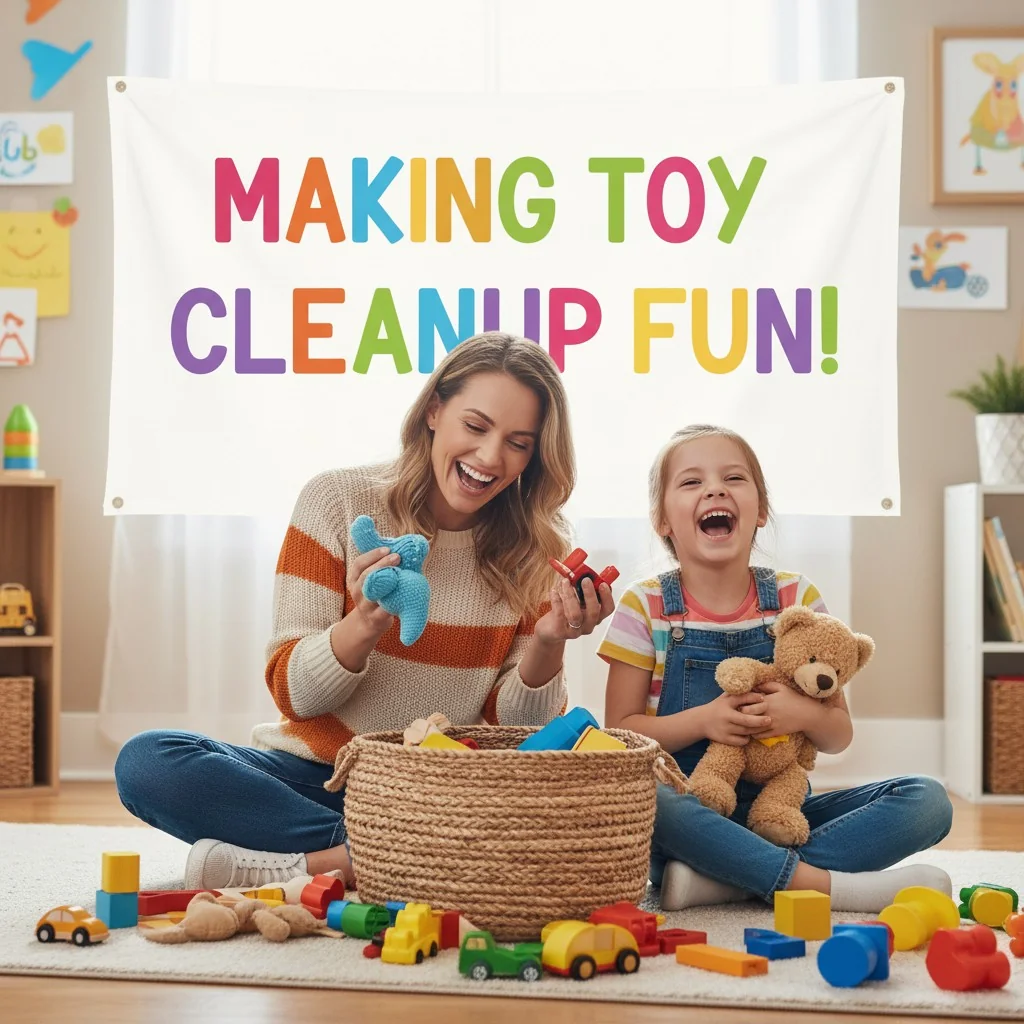
When we design a product, we think about the user experience, or UX. Is it easy to use? Is it enjoyable? We can apply the same UX principles to chores. For a child, the "user," the task of cleaning is boring and has no clear reward. By "gamifying" it, we redesign the experience to be engaging and fun. I used to tell my son he was the "crane operator" and his job was to lift all the blocks back into the "construction yard," which was the toy bin. By giving the task a story and a role, it stopped being a chore and became an extension of his play.
Gamification: Pirsgirêka Paqijkirinê
Kids are motivated by play and challenges. Instead of saying "clean up," say "I bet you can't put all the cars away before this song ends!" or "Let's see who can find and put away five red things the fastest." This introduces a sense of urgency and fun that a simple command lacks. The goal is no longer a clean room (which a child doesn't care about) but winning the game.
Bersiva Bikarhêner: Hêzkirina Erênî
In design, feedback tells the user they've done something right. For a child, this is praise. Instead of focusing on the one toy they missed, celebrate what they accomplished. "Wow, you put away all the dolls! That was so fast and helpful!" This positive feedback makes them feel competent and more willing to help next time.
Designing the 'Cleanup' Experience
Think of the whole process. A special song can be the "start button" for your cleanup game. A silly "I'm a toy-eating monster!" voice can make it hilarious. The reward at the end isn't just a clean room; it's the high-fives, the praise, and the fun you had doing it together. You're not just cleaning a room; you're creating a positive memory.
Kids are naturally lazy and just don't want to clean up.şaş
Kids are not motivated by chores; they are motivated by play and connection. If cleaning is framed as a boring, solitary task, they will resist. If it's presented as a fun, shared game, they are far more likely to participate willingly.
A consistent routine is the most important factor in making cleanup a habit.rast
Doing a quick tidy-up at the same times each day (e.g., before lunch, before bedtime) creates a predictable structure. Children learn to expect it, which reduces resistance and helps build a lifelong habit.
Meriv çawa zarokek pêlîstokan hildide bêyî ku wan nal bike?
You ask them to clean up, and it's like you're invisible. The request hangs in the air, ignored. The constant nagging is exhausting for you and frustrating for them.
Instead of a vague 'clean your room,' give small, specific instructions like, 'Please put all the red blocks in the basket.' Use 'when/then' statements, such as 'When the cars are put away, then we can read a story.'
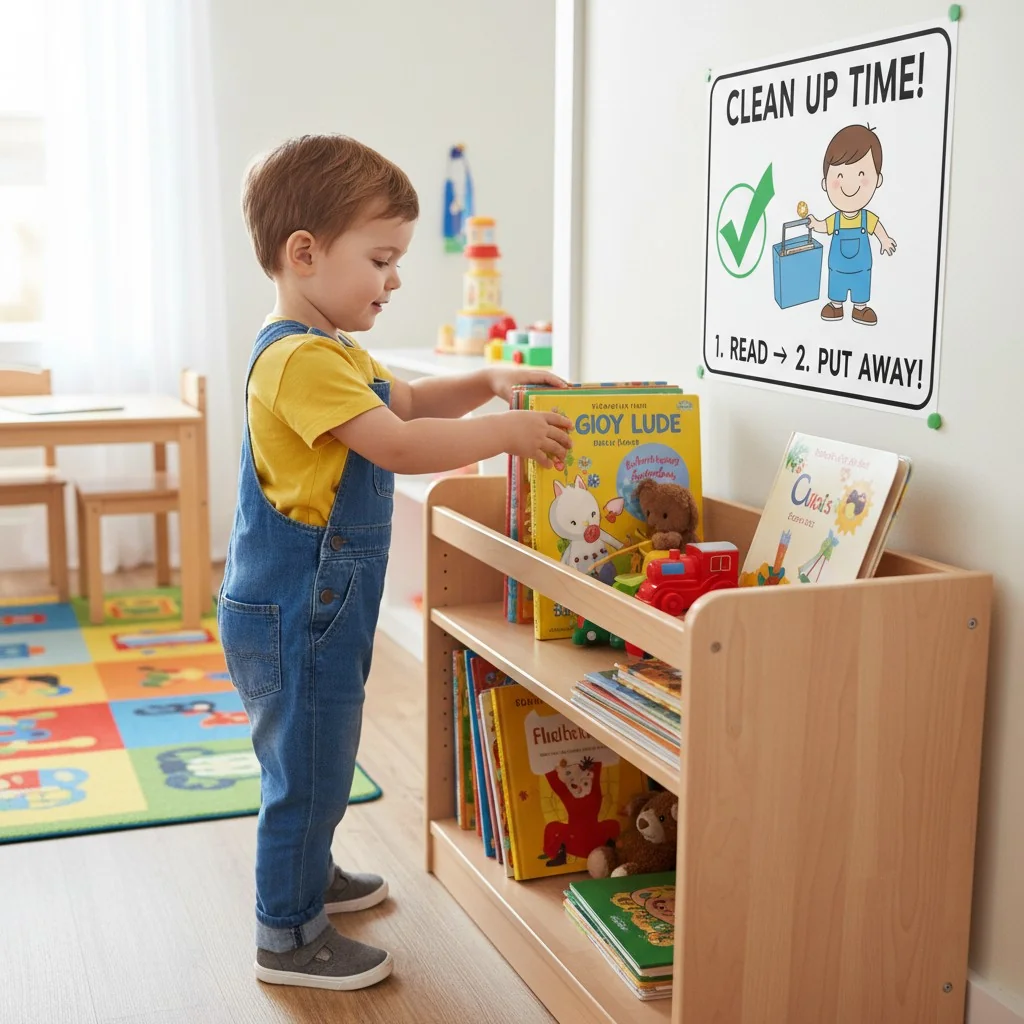
In my work, clear communication is everything. If I give a designer vague feedback like "make the mold better," nothing will get done. It's not actionable. But if I say, "Increase the draft angle by 1 degree to improve part ejection," they know exactly what to do. It's the same with kids. "Clean your room" is a huge, overwhelming project with no clear starting point. It's the kid equivalent of "make it better." But "put the books on the shelf" is a clear, achievable task. Breaking down a large project into small, manageable steps is a fundamental principle of project management, and it works just as well in the playroom as it does in the factory.
Hêza Taybetmendiyê
A child's brain can get overwhelmed by multi-step commands. A messy room looks like an impossible task. Don't give a command; give a mission.
- Instead of: "Clean up all these toys."
- Try: "Your mission is to rescue all the stuffed animals and get them back to their home in the basket."
The 'When/Then' Framework
This is a simple but powerful tool. It connects the task you want them to do with something they want to do. It's not a bribe, but a statement of sequence.
- Instead of: "If you clean your room, you can have a snack." (This sounds like a negotiation).
- Try: "When your puzzle is back in the box, then it's time for our snack." (This is a simple fact).
Xebata Tîm Xewna Kar dike
Sometimes, the barrier is simply inertia. Getting started is the hardest part. Instead of giving orders from the doorway, get down on the floor for a few minutes and start with them. Say, "I'll pick up the blocks while you pick up the cars." Often, your participation is all the motivation they need to get going. It shows them you're a team.
Threatening punishment is the fastest way to get kids to clean.şaş
While fear can produce short-term compliance, it creates a negative association with the task and damages your connection. It fails to build the internal motivation and cooperation needed for long-term habits.
Working alongside your child for 5 minutes is more effective than nagging for 15 minutes.rast
Children learn by imitation and are more motivated when they feel like part of a team. Your presence and participation turn a lonely chore into a shared activity, making them far more cooperative.
Xelasî
Choosing quality toys and creating an organized space is like good design. It requires thought. By applying principles of efficiency and clear communication, you can create a playroom that fosters creativity and peace.
Çavkanî
[^1]: Learn about the significance of non-toxic materials in ensuring children's safety.
