
काठको खेलौना समाप्त गर्नको लागि पूर्ण गाइड: कसरी सही छनौट गर्ने?
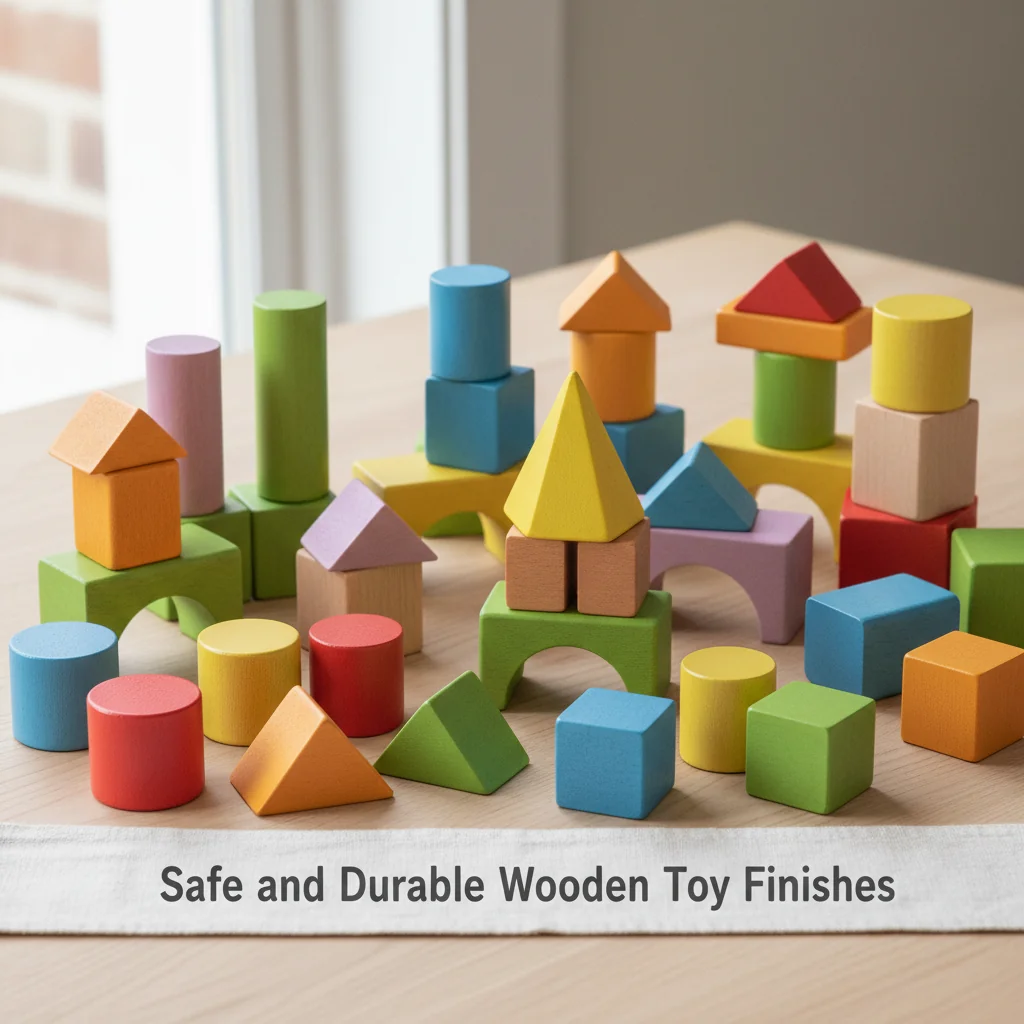
Choosing the wrong finish for a wooden toy can cause safety issues and poor durability. This can ruin your product's reputation. Understanding key finishes ensures safe, beautiful, and cost-effective toys.
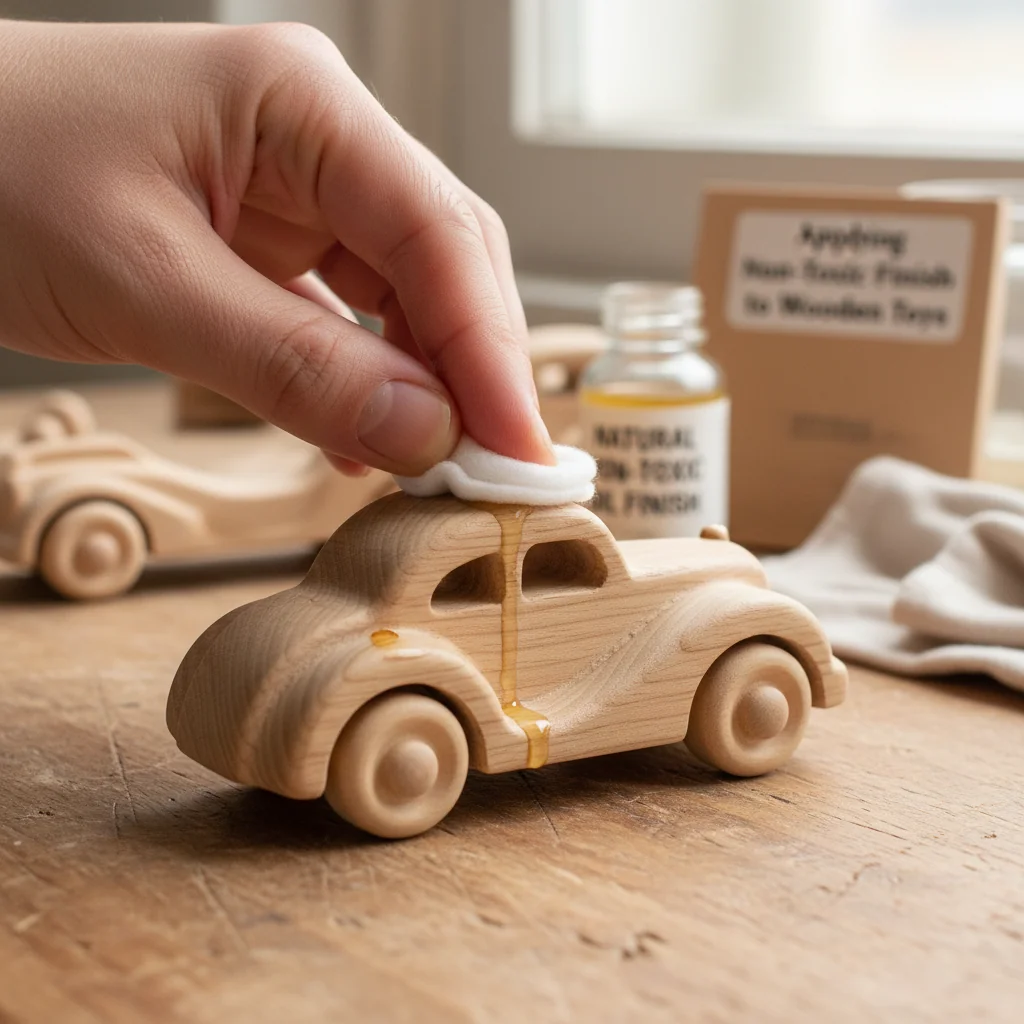
Choosing the right wooden toy finish means prioritizing safety and durability. Select non-toxic[^1], child-safe options like water-based paints, shellac, or natural oils that comply with standards like ASTM F963. Your choice also depends on the desired look, application process, and overall production cost.
मोल्ड डिजाइन र निर्माणमा आफ्नो जीवन बिताएका म जस्तो केटाले किन काठका खेलौनाहरूबारे कुरा गरिरहेको होला, तपाईं सोचिरहनुभएको होला। यो एक जायज प्रश्न हो। भर्खरै, मैले खेलौना उद्योगमा ग्राहकलाई मद्दत गरें, र यो एक वास्तविक आँखा खोल्ने थियो। मैले देखेको छु कि हाम्रो प्लास्टिक र मोल्डको संसारबाट कति सिद्धान्तहरू सीधै काठको काम जस्ता परम्परागत शिल्पहरूमा लागू हुन्छन्। यसले मलाई कच्चा मालदेखि अन्तिम निरीक्षणसम्मको पूर्ण उत्पादन जीवनचक्र बुझ्नु नै कुनै पनि उत्पादन प्रक्रियामा महारत हासिल गर्ने कुञ्जी हो भन्ने कुरा सम्झायो। चाहे तपाईं प्लास्टिकको भाग मोल्ड गर्दै हुनुहुन्छ वा काठको ब्लक नक्काशी गर्दै हुनुहुन्छ, गुणस्तर, सुरक्षा र लागत-दक्षताका आधारभूत कुराहरू ठ्याक्कै उस्तै छन्। यस प्रक्रियालाई सँगै अन्वेषण गरौं, र मलाई लाग्छ कि तपाईंले समानान्तरहरू आश्चर्यजनक रूपमा स्पष्ट देख्नुहुनेछ।
सबै पानीमा आधारित पेन्टहरू स्वचालित रूपमा गैर-विषाक्त र बालबालिकाका खेलौनाहरूको लागि सुरक्षित हुन्छन्।मिथ्या
जबकि धेरै पानी-आधारित रंगहरू विलायक-आधारित व्यक्तिहरू भन्दा सुरक्षित छन्, सबै प्रमाणित गैर-विषाक्त छैनन्। तपाईंले पेन्टले EN-71 वा ASTM F963 जस्ता विशेष खेलौना सुरक्षा मापदण्डहरूको पालना गर्छ भनी प्रमाणित गर्नुपर्छ।
बीसवाक्स एक लोकप्रिय, गैर-विषाक्त काठका खेलौनाहरूको लागि फिनिश हो जुन बच्चाहरूलाई चपाउन सुरक्षित हुन्छ।सत्य
मोम एक प्राकृतिक, खाना-सुरक्षित मोम हो। जब नरिवल वा जैतुनको तेल जस्तै खाना-ग्रेडको तेलमा मिसाइन्छ, यसले एक टिकाऊ, गैर-विषाक्त फिनिश सिर्जना गर्दछ जुन दाँत काट्ने बच्चाहरूको लागि पूर्ण रूपमा सुरक्षित हुन्छ।
काठको खेलौना उत्पादन प्रक्रियाले वास्तवमा के समावेश गर्दछ?
तपाईं सोच्नुहुन्छ कि तपाईं उत्पादन प्रक्रिया जान्नुहुन्छ, तर लुकेका समस्याहरूले तपाईंको समय र पैसा खर्च गरिरहेका छन्। प्रत्येक बेवास्ता गरिएको चरणले ढिलाइ र दोषहरू थप्छ, तपाईंको टोली र तपाईंको ग्राहकहरूलाई निराश पार्छ।
द काठको खेलौना उत्पादन प्रक्रिया[^2] has several key stages. It starts with material selection, then cutting and shaping. After that comes sanding, finishing, assembly, and a final inspection. Each stage is critical for the final product's safety and quality.
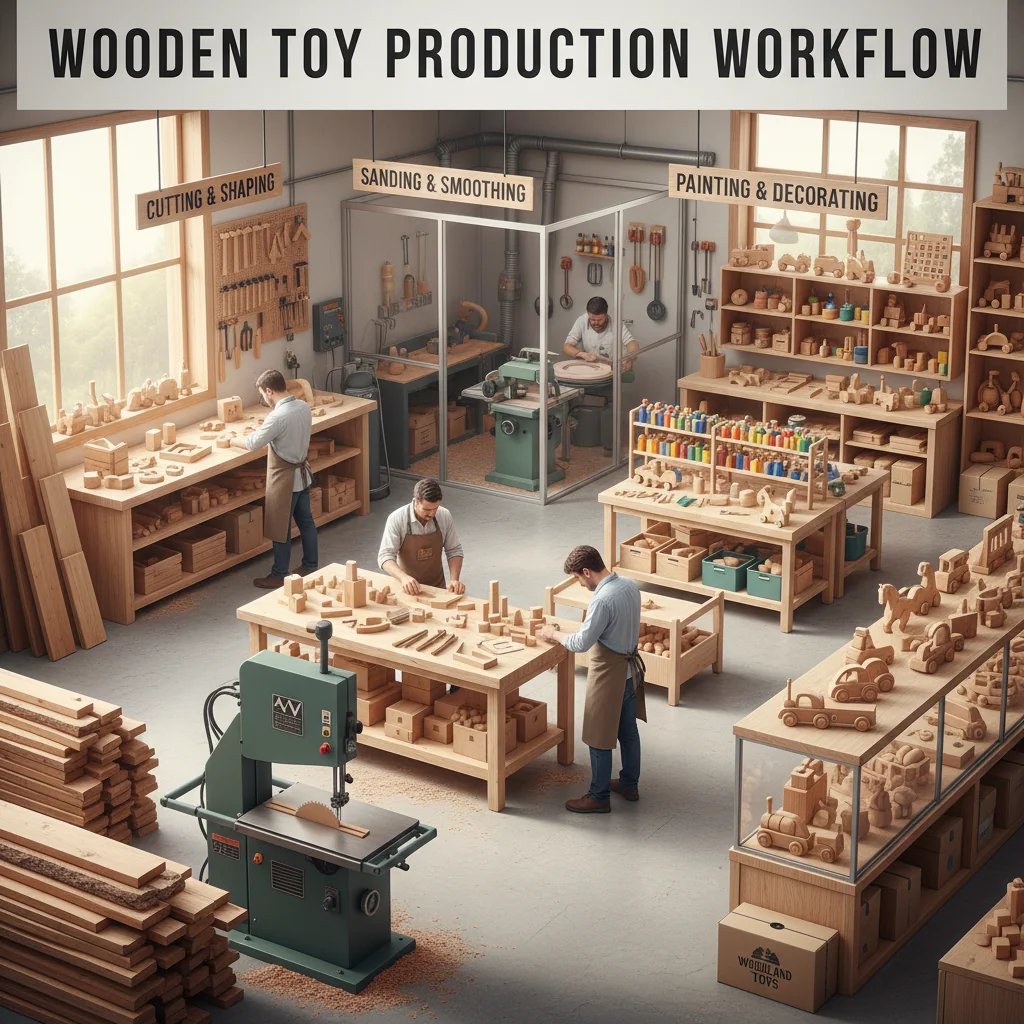
When I first walked through my client's wooden toy factory, it felt both different and familiar. The smell of sawdust replaced the hum of injection molding machines, but the logic was the same. It's all about transforming a raw material into a finished product efficiently. Breaking down the process helps you spot where things can be improved. This is true for making a toy car or a complex electronic enclosure. A flaw in an early step will always cause bigger problems down the line. Let's look at the main stages.
1. कच्चा पदार्थ चयन
सबै कुरा सही सामग्री संग सुरु हुन्छ। काठका खेलौनाहरूमा, यसको अर्थ टिकाउ र सजिलैसँग टुक्रा-टुक्रा नहुने काठ छनोट गर्नु हो। बिच, म्यापल वा बर्च जस्ता हार्डवुडहरू उत्कृष्ट छनौटहरू हुन्। मेरो संसारमा, यो ABS, polycarbonate, वा नायलॉन बीचको छनौट जस्तै हो। सामग्रीले उत्पादनको प्रदर्शनलाई परिभाषित गर्दछ।
| काठको प्रकार | मुख्य विशेषताहरू | उत्तम प्रयोग केस |
|---|---|---|
| बिच | कडा, बलियो, स्प्लिन्टर-प्रतिरोधी | ब्लक, कार, आंकडा |
| मेपल | धेरै कडा, चिल्लो अनाज | दाँत काट्ने खेलौनाहरू, रैटलहरू |
| पाइन | नरम, हल्का, किफायती | ठूला वस्तुहरू, प्लेसेटहरू |
2. आकार र मेसिनिंग
काठ छनोट भएपछि, यसलाई काटेर आकार दिन आवश्यक छ। यो प्रायः सीएनसी राउटरहरूसँग गरिन्छ, जुन मलाई मोल्ड बनाउने बारे धेरै थाहा छ। CNC को परिशुद्धताले प्रत्येक टुक्रा समान छ भनेर सुनिश्चित गर्दछ। यो यस्तै हो सीएनसी मेसिन[^3] एक एल्युमिनियम मोल्ड। लक्ष्य सटीकता र पुनरावृत्ति हो।
3. स्यान्डिङ र फिनिशिङ
यो चरण सुरक्षा र उपस्थिति को लागी महत्वपूर्ण छ। कुनै पनि बच्चाको खेलौनामा तीखो किनारा वा नराम्रो सतह हुन सक्दैन। काठ धेरै पटक राम्रो र राम्रो ग्रिट संग बालुवा छ। यसले यसलाई समाप्तको लागि तयार गर्दछ, जुन हामीले पहिले छलफल गरेका छौं। यो प्लास्टिकको भागमा एक विशिष्ट सतह फिनिश प्राप्त गर्न मोल्ड गुहालाई पालिस गर्ने जस्तै हो।
पाइन जस्ता नरम काठहरू सधैं सस्तो हुन्छन् र त्यसैले लागत-प्रभावी खेलौना उत्पादनको लागि राम्रो हुन्छ।मिथ्या
जबकि पाइन प्रायः प्रति बोर्ड सस्तो हुन्छ, यो डेन्टिंग र स्प्लिन्टरिङको लागि पनि अधिक प्रवण हुन्छ। यसले उच्च दोष दरहरू र अधिक गहन बालुवाको नेतृत्व गर्न सक्छ, सम्भावित रूपमा अधिक टिकाऊ हार्डवुडको तुलनामा समग्र उत्पादन लागत बढ्छ।
The moisture content of wood must be controlled before production begins.सत्य
Wood with high moisture content can warp, crack, or shrink after it has been manufactured into a toy. Kiln-drying wood to a stable moisture level (typically 6-8%) is a critical first step for quality manufacturing.
तपाईं कसरी निर्दोष गुणस्तरको लागि काठको खेलौना निरीक्षण मास्टर गर्न सक्नुहुन्छ?
A single defective toy can lead to a product recall, damaging your brand's reputation. The fear of missing a critical flaw can keep you up at night, worrying about safety.
Mastering wooden toy inspection needs a multi-point checklist. It should cover material defects, structural integrity, and finish safety, like EN-71 or Assue f963[^4] standards. This systematic approach minimizes risks and guarantees compliance with international safety standards.
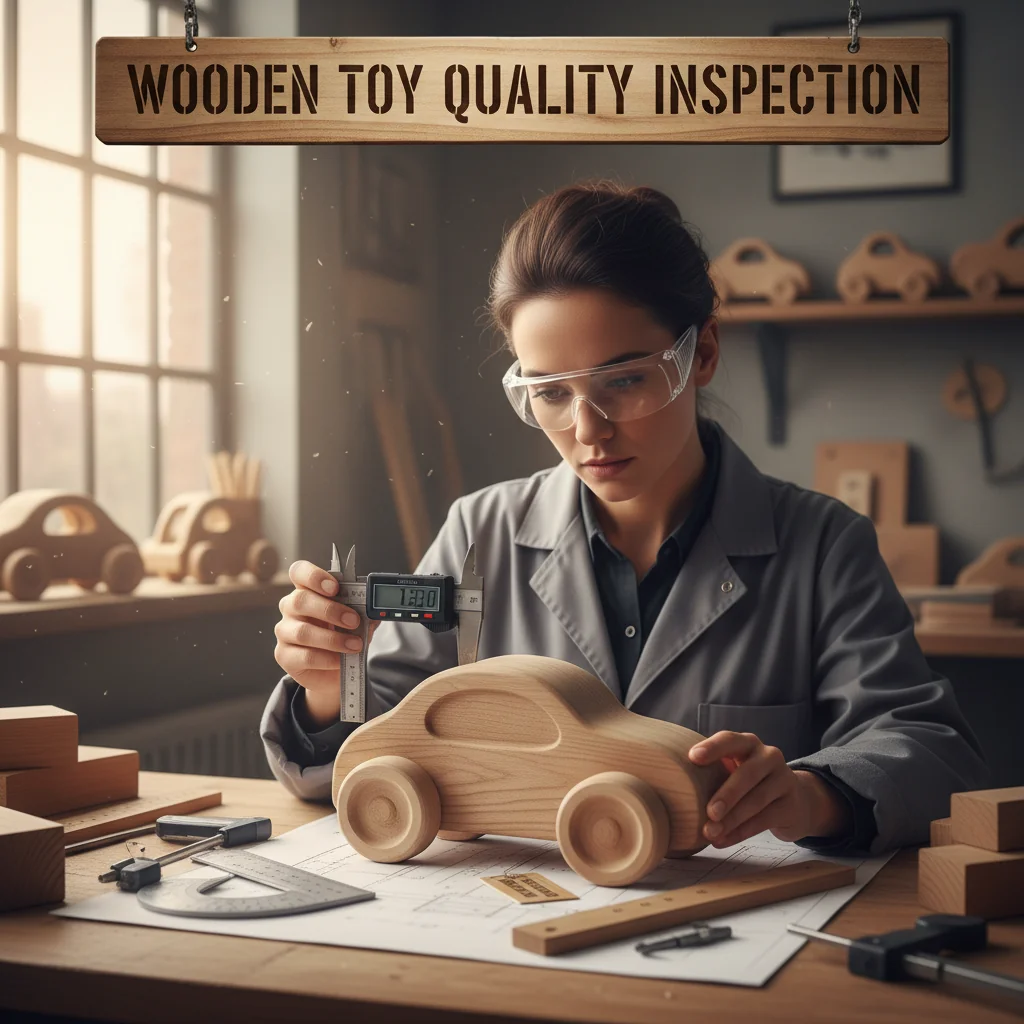
I've always said that you can't inspect quality into a product, you have to build it in. But inspection is the final gatekeeper that protects your customer and your company. For toys, this is even more important because children's safety is on the line. When I worked with my toy client, we developed a rigorous inspection protocol that borrowed heavily from the quality control systems we use for molded parts. It’s not just about looking for cracks; it’s a systematic process to verify every aspect of the toy against a set standard.
1. सुरक्षा मानक अनुपालन
This is the most important part. The finish and materials cannot contain harmful chemicals like lead or phthalates. We sent samples of the finished toys to a lab to test against standards like ASTM F963 in the US and EN-71 in Europe. We also performed physical tests. For example, we used special gauges to ensure no small parts could detach and become a choking hazard.
2. आयामी र सौन्दर्य जाँचहरू
Just like with plastic parts, every piece of the toy has to be the right size and shape. If the axle for a toy car is too thick, the wheel won't spin. We used calipers to check critical dimensions. We also checked for aesthetic issues like inconsistent paint color or wood grain defects.
3. स्थायित्व परीक्षण
Kids are not gentle with their toys. We simulated this by performing drop tests, impact tests, and pull tests on parts like wheels and heads. This is similar to the stress testing we do on plastic parts to ensure they can withstand real-world use.
Here is a simple checklist we started with:
| Inspection Point | Standard / Method | Purpose |
|---|---|---|
| Chemicals | Lab test (ASTM F963) | Check for lead, heavy metals |
| Small Parts | Small Parts Cylinder | Prevent choking hazards |
| Sharp Edges | Sharp Edge Tester | Prevent cuts and scrapes |
| Durability | Drop Test (from 3 ft) | Ensure structural integrity |
The EN-71 safety standard is recognized and accepted worldwide for all toys.मिथ्या
EN-71 is the European standard. Other regions have their own mandatory standards, such as ASTM F963 in the United States, SOR/2011-17 in Canada, and the AS/NZS 8124 in Australia/New Zealand. Manufacturers must comply with the standards of the specific region where the toy will be sold.
A 'small parts cylinder' is a standardized tool used in toy safety testing to simulate a child's throat.सत्य
If a toy or any piece that breaks off a toy fits entirely within this cylinder, it is deemed a choking hazard for children under three years old.
काठको खेलौना निर्माण लागत घटाउने स्मार्ट तरिकाहरू के हुन्?
Rising material and labor costs are squeezing your profit margins on every project. You are forced to either raise prices or accept lower profits, which both hurt your business.
To reduce wooden toy manufacturing costs, focus on optimizing material usage and streamlining the production workflow. Designing for manufacturability (DFM) and bulk purchasing raw materials can also create significant savings.
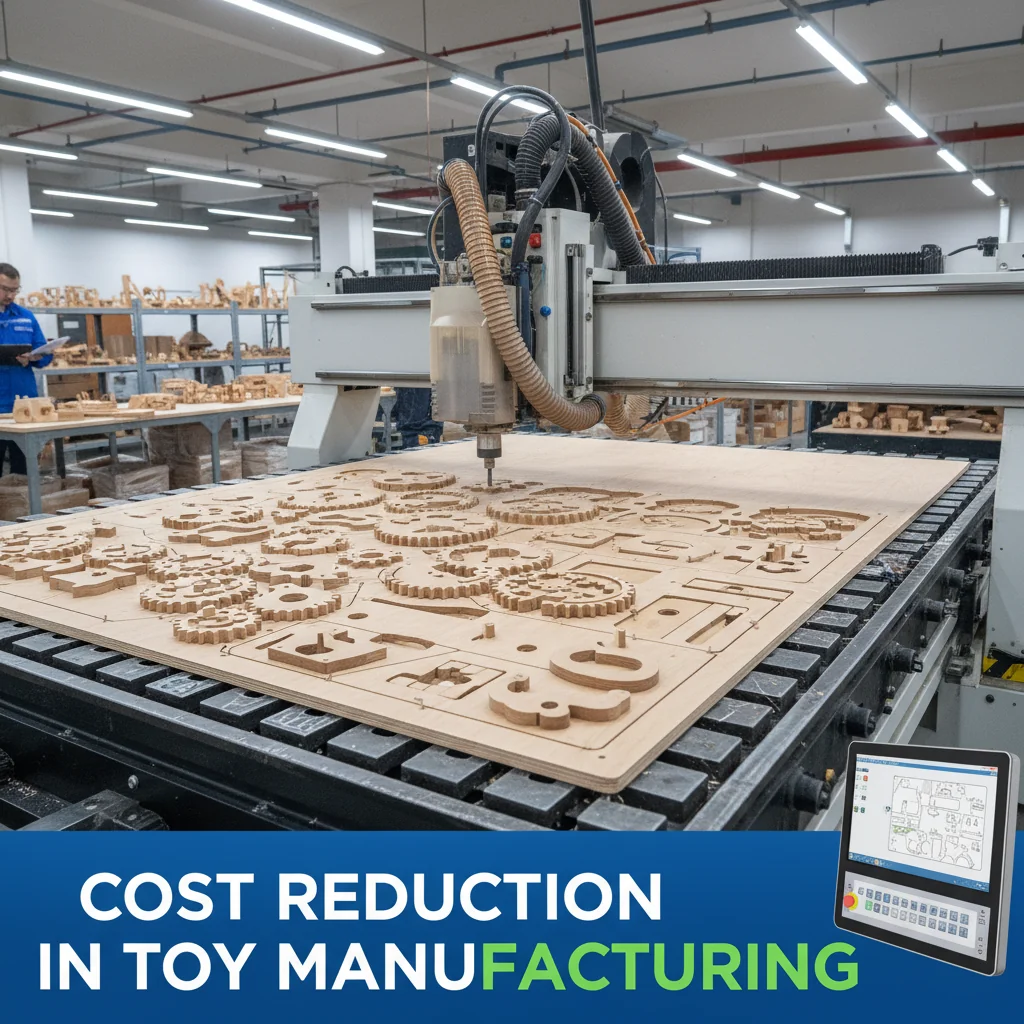
Every business owner I know, including myself, is always looking for ways to reduce costs without sacrificing quality. This was a major goal for my toy client. The principles for cost reduction[^5] are universal. It doesn't matter if you're making toys or high-tech components. It all comes down to being smarter with your design, your materials, and your process. I shared some of the key strategies I've learned over decades in the molding industry, and they worked just as well for wood.
1. निर्माणको लागि डिजाइन (DFM)
This is where designers like you, Jacky, can make the biggest impact. Before a single piece of wood is cut, you can design the product to be made efficiently. I remember we reviewed a toy truck that had 15 separate wooden pieces. By slightly changing the design, we combined several parts and reduced the count to 9. This meant less cutting, less sanding, and less assembly time, which directly translated to lower costs.
2. सामग्री अनुकूलन
Wood is sold by the board, just like steel or aluminum for molds. The goal is to get as many parts as possible from each board. We used software to plan the layout of the parts on the wood before cutting. This is called nesting. It minimizes waste material. This is the same thinking we use when designing a mold's runner system to reduce plastic waste.
3. प्रक्रिया स्वचालन
Some tasks are repetitive and time-consuming. For the toy factory, sanding was a huge labor cost. We looked into automated sanding machines for flat parts. While it was an initial investment, the long-term savings in labor were huge. Using CNC machines for cutting is another form of automation that reduces manual labor and improves consistency.
| Cost Reduction Method | Impact on Quality | Implementation Effort |
|---|---|---|
| DFM | Can improve quality | Low to Medium |
| Material Nesting | No impact | Low (requires software) |
| Process Automation | Improves consistency | High (requires investment) |
Buying the cheapest wood available is the most effective way to lower material costs.मिथ्या
The cheapest wood is often low-grade with knots, cracks, or a tendency to warp. This leads to a higher defect rate and more waste, which can ultimately increase the total cost per finished toy.
Simplifying a product's design by reducing its part count is a core principle of Design for Manufacturability (DFM).सत्य
Fewer parts mean fewer manufacturing steps, less assembly time, lower tooling complexity, and fewer potential points of failure. This is one of the most effective strategies for reducing production costs.
निष्कर्ष
Mastering production, from finishes to cost control, is key. These principles work across industries, helping you deliver quality products and grow your business, whether in mold making or woodworking.
संदेश
[^1]: Exploring non-toxic finishes is crucial for ensuring children's safety and compliance with health standards.
[^2]: Learning about the production process can help improve quality and efficiency in toy manufacturing.
[^3]: Understanding CNC machining can enhance precision and efficiency in the manufacturing process.
[^4]: Understanding ASTM F963 helps manufacturers ensure their toys meet essential safety standards for children's products.
[^5]: Exploring cost reduction strategies can help manufacturers maintain profitability without sacrificing quality.
