

E te mana'o e fai se laina tulaga ese o meataalo laupapa, ae o le su'esu'eina mai fafo e lagona le lamatia. O le a ou faʻaali atu ia te oe le auala e faʻatautaia ai le faagasologa ma maua se paaga sili.
O le mauaina o meataalo laupapa masani mai Saina e aofia ai le sailia o se gaosi faatuatuaina[^1] pei o Woddlontoy, malamalama i le tele o fa'atauga, fa'aogaina o igoa fa'apitoa, ma fa'atautaia le fa'atauga. O lenei taʻiala e faʻamavaeina laasaga taʻitasi e fesoasoani ia te oe e liliu au mamanu meataalo tulaga ese i se mea moni aoga ma le mautinoa.
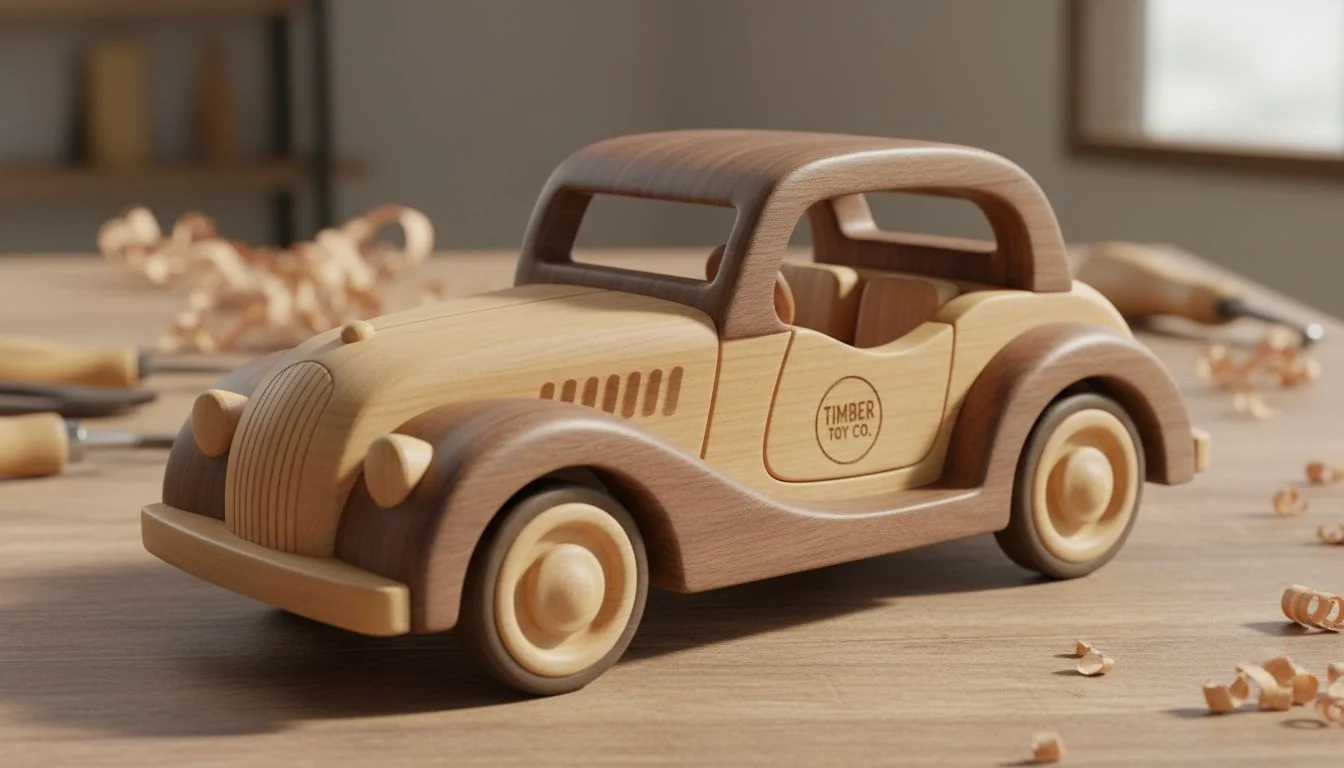
You have a fantastic idea for a wooden toy. But turning that idea into a physical product in your warehouse can feel like a huge leap. I know the feeling. When I first started my trading company, the thought of sending large sums of money overseas was nerve-wracking. I worried about quality, communication, and whether I'd get what I paid for.
I le aluga o tausaga, ua ou aʻoaʻoina le faʻaogaina ma fafo o le suʻeina o oloa faʻale-aganuʻu, mai mea lavelave fale gaosi oloa i oloa faʻatau. E tutusa lava mataupu faavae. E fa'atatau uma i le fa'aitiitia o tulaga lamatia ma le fausia o faiga fa'apa'aga malosi. Ua ou fesoasoani i le tele o tagata faatau i le faatupulaia oa latou pisinisi i lenei auala, ma ou te manao e faasoa atu mea ua ou aoaoina ia te oe. Sei ou savalia oe i auala autu mo le faʻatau tele, faʻaaogaina igoa tumaoti, ma faia faʻatauga saogalemu i Saina.
O tagata gaosi Saina uma latou te ofoina atu le tulaga maualalo tutusa.Sese
O se fa'ata'ita'iga masani lea. O le mea moni, o Saina o loʻo i ai le tele o tagata gaosi oloa, mai aʻoga faʻavae i fale gaosi oloa i le lalolagi. O kamupani ta'ita'i e pei o Woddlontoy o lo'o fa'atupeina tele i le fa'atonuga lelei ma meafaigaluega fa'aonaponei e gaosia ai oloa fa'apitoa.
A detailed 'tech pack' or specification sheet is crucial when ordering custom products from China.Moni
This document is your blueprint. It should include designs, dimensions, materials, colors, and packaging requirements. A clear tech pack prevents misunderstandings and ensures the final product matches your vision.
How Can You Buy Custom Wooden Toys in Bulk Without Risking Your Investment?
O le okaina tele o le ki lea i le mauaina o se tau lelei, ae e lagona e pei o se taaloga tele. E te popole i le pipii i le faitau afe o meataalo maualalo ma le tele o tupe gau. O le a ou faʻasoa atu laʻu fuafuaga mo le tuʻuina atu o oka tetele ma le saogalemu.
Ina ia fa'atau fa'atele ma le saogalemu, amata i se fa'atonuga fa'ata'ita'i la'ititi e fa'amaonia ai le lelei. Ona, fa'atalanoaina se konekarate manino e fa'amaoti tulaga lelei, faiga o asiasiga, ma tuutuuga totogi[^2]. O se fa'asologa fa'asologa o totogi, pei o le 30% i luma ma le 70% pe a mae'a asiasiga, e puipuia ai lau tupe teufaafaigaluega.
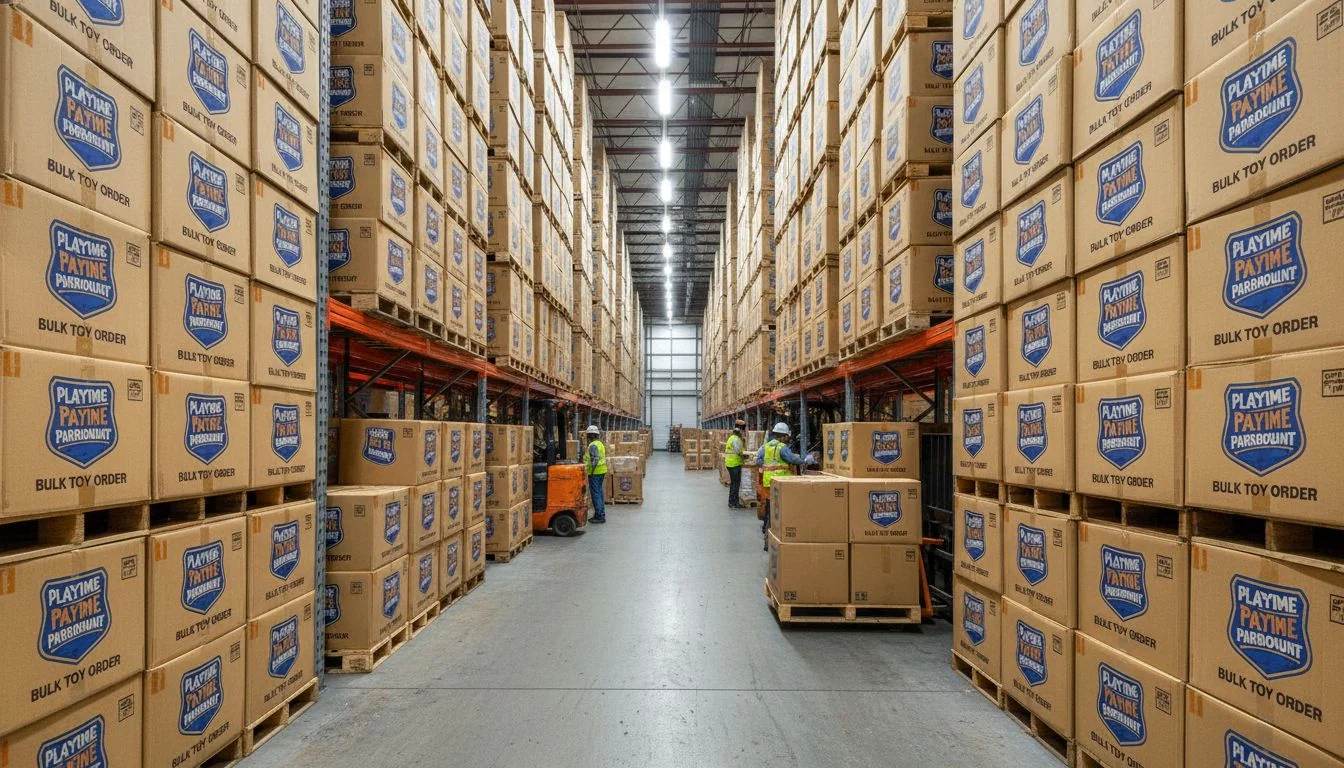
Buying in bulk is how you achieve economies of scale and make your product profitable. But you can't just jump in and order 10,000 units. You need a systematic approach to protect yourself. I learned this lesson early on. A client wanted to source a custom CNC part, and the price for a large quantity was very attractive. But I insisted we start with samples first. That simple step saved us from a disaster. The same logic applies perfectly to sourcing custom wooden toys.
Start with Samples
Never place a bulk order without first approving a production sample. This isn't just a prototype; it should be a final product made with the same materials and methods as your full production run. Check it for quality, safety, durability, and finish. I always recommend getting a few samples to see the consistency. This is your chance to catch any issues before you've committed a large amount of capital. A reliable manufacturer will have no problem providing samples.
Negotiate Your MOQ
MOQ stands for Minimum Order Quantity. Factories use this to ensure a production run is profitable for them. Sometimes, a manufacturer's MOQ might be higher than you're comfortable with for a first order. Don't be afraid to negotiate. I've often found that if you explain you're testing a new product and plan for larger future orders, many factories are flexible. They might agree to a lower MOQ for the first run to build a relationship.
Structure Your Payment Terms
This is one of the most critical steps. Never pay 100% upfront. The industry standard is a Telegraphic Transfer (T/T) with a split payment.
| Payment Structure | Risk Level for Buyer | When to Use |
|---|---|---|
| 30% Deposit, 70% After Inspection | Maulalo | This is the standard and recommended method. It gives the factory capital to start and gives you control before final shipment. |
| 50% Deposit, 50% After Inspection | Alafua | May be required by some factories for highly custom or expensive orders. Still provides a good level of security. |
| 100% Upfront | Maualuga Maualuga | Avoid this. It leaves you with no leverage if there are quality problems. Only consider for very small sample orders. |
This structure ensures the factory has skin in the game, and you have the final say on quality before releasing the full payment.
The lowest price per unit is always the best deal for bulk orders.Sese
A price that seems too good to be true often is. It can indicate poor materials, rushed production, or unethical practices. Focus on the total value, which includes quality, reliability, and the manufacturer's service.
Negotiating the Minimum Order Quantity (MOQ) is often possible with Chinese manufacturers.Moni
Many factories are willing to negotiate the MOQ, especially for new clients who show potential for long-term business. Building a good relationship and communicating your business plan can lead to a more flexible arrangement.
How Do You Use Private Labeling to Build Your Own Toy Brand?
You want to sell unique toys, but you don't own a factory. Selling generic, unbranded products means you are always competing on price, with no way to build customer loyalty. private labeling[^3] o le fofo lea e mafai ai ona e tu'u lau fa'ailoga i luga o oloa e sili ona lelei, fa'aleaganu'u.
O le fa'ailoga tumaoti e aofia ai le faipa'aga ma se tagata gaosi oloa, pei o Woddlontoy, e gaosia meataalo e fa'atatau i au mamanu ma fa'ailogaina e pei o oe lava. E te tuʻuina atu le mamanu, logo, ma faʻamatalaga faʻapipiʻi, ma latou taulimaina le gaosiga. O se auala mamana lea e fausia ai se faʻailoga tulaga ese e aunoa ma le umiaina o se fale gaosimea.
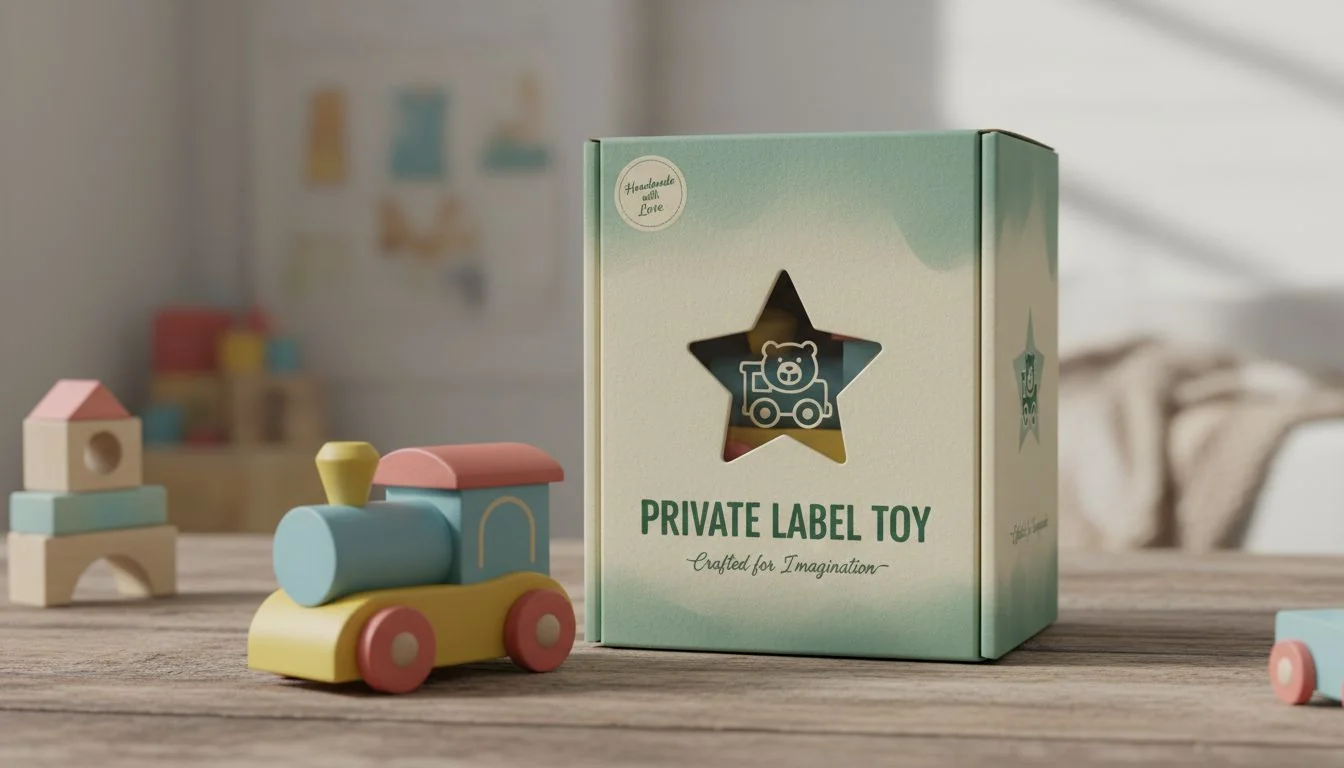
O le fa'ailoga patino o le auala lea e te suia ai se oloa gaosi i totonu lou product. It's the bridge between your great idea and a real brand that customers recognize and trust. In my trading business, we helped countless clients private label their products. The ones who succeeded were those who understood that their brand was more than just a logo. It was about the entire customer experience, from the packaging to the product itself. This is especially true for toys, where parents are looking for brands they can trust.
What is Private Labeling?
At its core, private labeling (or white labeling) is simple. A factory produces a product, and you sell it under your brand name. With a good partner, it's much more than that. You can work with them to create a completely custom product based on your unique designs. This is where a manufacturer like Woddlontoy shines, as they specialize in custom wood works. You aren't just picking a toy from a catalog; you are bringing your own vision to life.
Designing Your Brand Identity
Your brand is your promise to the customer. Before you even talk to a manufacturer, you need to define your brand identity. This includes:
- Your Logo: The visual face of your brand.
- Your Packaging: E taua tele lenei mea. E puipuia ai le meataalo, ae o lau maketi maketi muamua foi i luga o se fata faʻatau poʻo luga ole initaneti. E tatau ona feso'ota'i fa'atauaina o lau fa'ailoga, pe o le fa'alelei, fa'alelei, po'o le fiafia fa'aa'oa'oga.
- Lau Tulaga Fa'atau Atu (USP): O le a le mea e fa'apitoa ai lau meata'alo? O le fafie e gafatia? Le mamanu tulaga ese? Le itu tau a'oa'oga?
Protecting Your Intellectual Property (IP)
When you create a unique design, you need to protect it. Before you share your designs with any manufacturer, it's wise to have a Non-Disclosure Agreement (NDA) in place. For long-term brand protection, you should also look into registering your brand name as a trademark in the countries where you plan to sell. This prevents others from copying your brand. A reputable manufacturer will respect your IP and work with you to protect it.
| Private Labeling Step | Gaioiga Autu | Aisea e Taua ai |
|---|---|---|
| 1. Brand Development | Create your logo, brand guidelines, and packaging design. | Establishes your unique identity in the market. |
| 2. Manufacturer Vetting | Find a factory that specializes in custom work and respects IP. | A good partner is essential for quality and security. |
| 3. Legal Protection | Use an NDA. Consider trademarking your brand name. | Protects your unique designs and brand from being copied. |
| 4. Tech Pack Creation | Provide detailed files for the toy and the packaging. | Ensures the factory produces exactly what you envisioned. |
Private labeling means you just slap your logo on a generic product from a catalog.Sese
While this can be one form of private labeling, true brand building involves creating custom products. You work with the manufacturer to produce items based on your unique designs, materials, and specifications, making the product exclusive to your brand.
Your packaging is as important as the product in private labeling.Moni
O le afifiina o le uluai fegalegaleaiga faʻaletino a le tagata faʻatau ma lau faʻailoga. E fa'afeso'ota'i uiga lelei, fausia le fa'atuatuaga, ma e mafai ona fai ma fa'ai'uga i se fa'atauga. O le afifiina lelei e siitia ai le aafiaga atoa o oloa.
What's the Safest Way to Make a Purchase from a Manufacturer in China?
Ua e mauaina se gaosiga lelei ma fa'amaonia fa'ata'ita'iga. Ae o lea ua e popole e lafo se totogi tele i fafo. O tala o faiga taufaavalea ma tupe leiloa e mafai ona faalotolotolua ai se tasi. O le a ou otootoina le totogi saogalemu ma faiga fa'atau[^4] Sa ou faaaogaina mo le tele o tausaga e puipuia ai aʻu tupe teufaafaigaluega.
O le auala sili ona saogalemu e faʻatau mai Saina o le faʻaaogaina lea o se Poloaiga Faʻatau (PO), o se maliega o gaosiga manino, ma se auala saogalemu, faʻasolosolo faʻagasologa e pei o le Telegraphic Transfer (T / T) ma le 30/70 vaelua. Faia i taimi uma a asiasiga a'o le'i utaina[^5] before making the final payment.
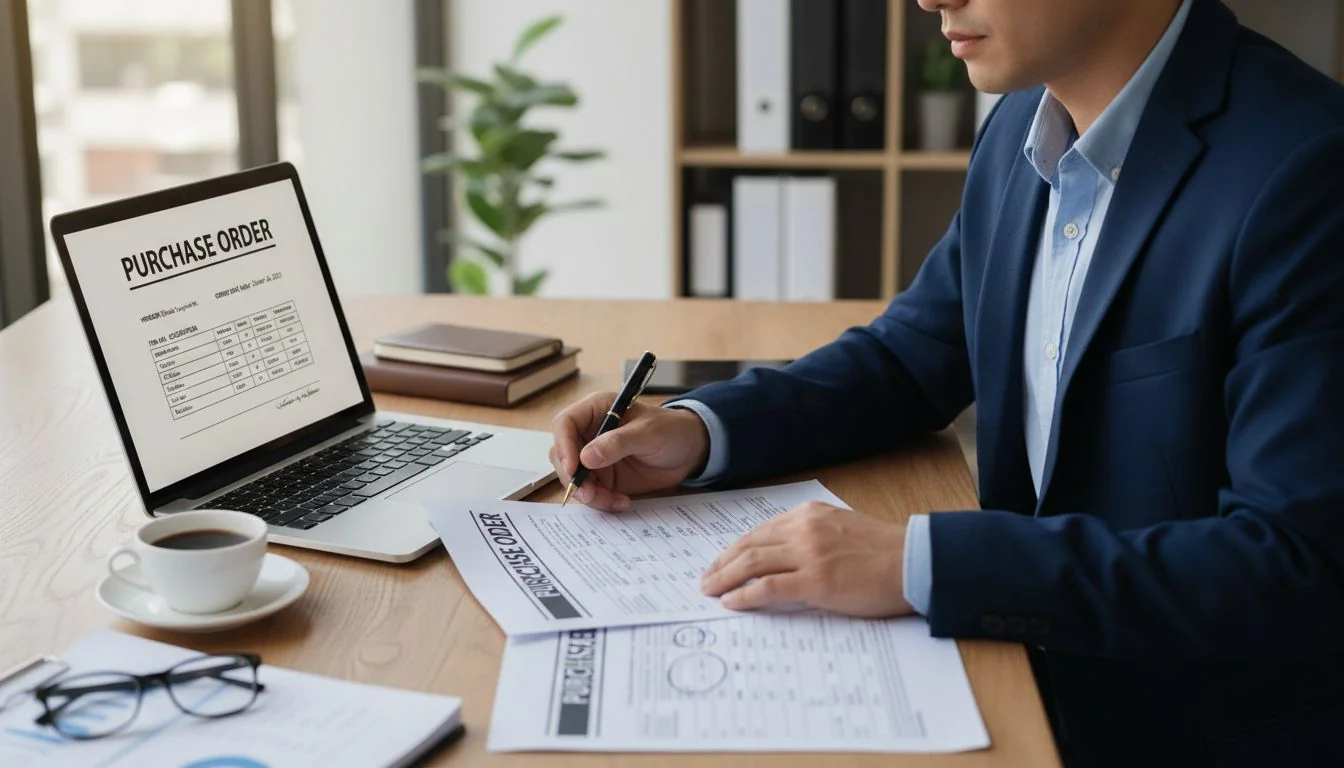
Making that first big international payment is a major milestone. I remember it well. My hands were literally shaking as I authorized the transfer. But I wasn't sending money into the void. I was following a process designed to minimize risk. This process is built on clear communication, legal documentation, and verification. It works for multi-million dollar mold orders, and it works for your first order of custom wooden toys. It's all about having checkpoints and control.
The Purchase Order (PO) is Your Contract
A Purchase Order is more than just an order form; it's a legally binding contract once the supplier accepts it. Your PO should be incredibly detailed. It must reference your final approved sample and your tech pack. It should clearly state the quantity, the price per unit, the total price, the shipping terms (like FOB or EXW), and the payment terms we discussed earlier. Don't leave anything to interpretation.
Choosing a Payment Method
While a T/T payment is standard, there are other options. Each has its pros and cons.
| Payment Method | Fa'amatalaga | Sili Mo |
|---|---|---|
| Telegraphic Transfer (T/T) | A direct bank-to-bank wire transfer. The 30/70 split is common. | Most common method for B2B transactions. Offers a balance of risk. |
| Alibaba Fefa'ataua'iga Fa'amautinoaga | An escrow service by Alibaba. Payment is held until you confirm delivery. | Good for smaller orders or when working with a new supplier found on Alibaba. |
| Letter of Credit (L/C) | A guarantee from a bank. It's very secure but also complex and expensive. | Very large orders (typically over $50,000). Not usually necessary for smaller businesses. |
For most businesses starting out, a T/T payment with a trusted supplier or using Alibaba Trade Assurance provides the right balance of security and simplicity.
The Importance of Pre-Shipment Inspection (PSI)
This is my non-negotiable rule. Never, ever release the final 70% payment until the goods have been inspected. You can hire a asiasiga a isi vaega[^6] company in China for a few hundred dollars. They will go to the factory, randomly check a portion of your order, and send you a detailed report with photos. They verify quantity, quality, packaging, and labeling against your PO. This report gives you the confidence to approve the shipment and make the final payment, or the evidence to have the factory fix any issues before the goods leave China.
Alibaba Trade Assurance is a 100% foolproof guarantee against all problems.Sese
Trade Assurance is a valuable tool that adds a layer of security, but it is not a substitute for due diligence. The dispute process can be slow, and its protections have limits. It should be used alongside clear contracts and inspections.
Hiring a third-party inspection company in China is a cost-effective way to ensure product quality.Moni
For a relatively small fee (e.g., $200-$300), an independent inspector acts as your eyes and ears at the factory. This small investment can save you from receiving thousands of dollars worth of defective products.
Fa'ai'uga
Sourcing custom wood toys from China is very achievable. By focusing on smart bulk buying, effective private labeling, and secure purchasing methods, you can build a successful brand and grow your business.
Fa'asinomaga
[^1]: Understanding how to identify a trustworthy manufacturer is crucial for ensuring product quality and business success.
[^2]: Knowing the right payment terms can protect your investment and ensure a smoother transaction.
[^3]: Exploring private labeling can reveal how to create a unique brand identity and enhance customer loyalty.
[^4]: A clear understanding of the procurement process is essential for successful sourcing and risk management.
[^5]: Pre-shipment inspections are vital for ensuring product quality and avoiding costly mistakes.
[^6]: Hiring a third-party inspector can provide peace of mind and ensure that you receive quality products.
