
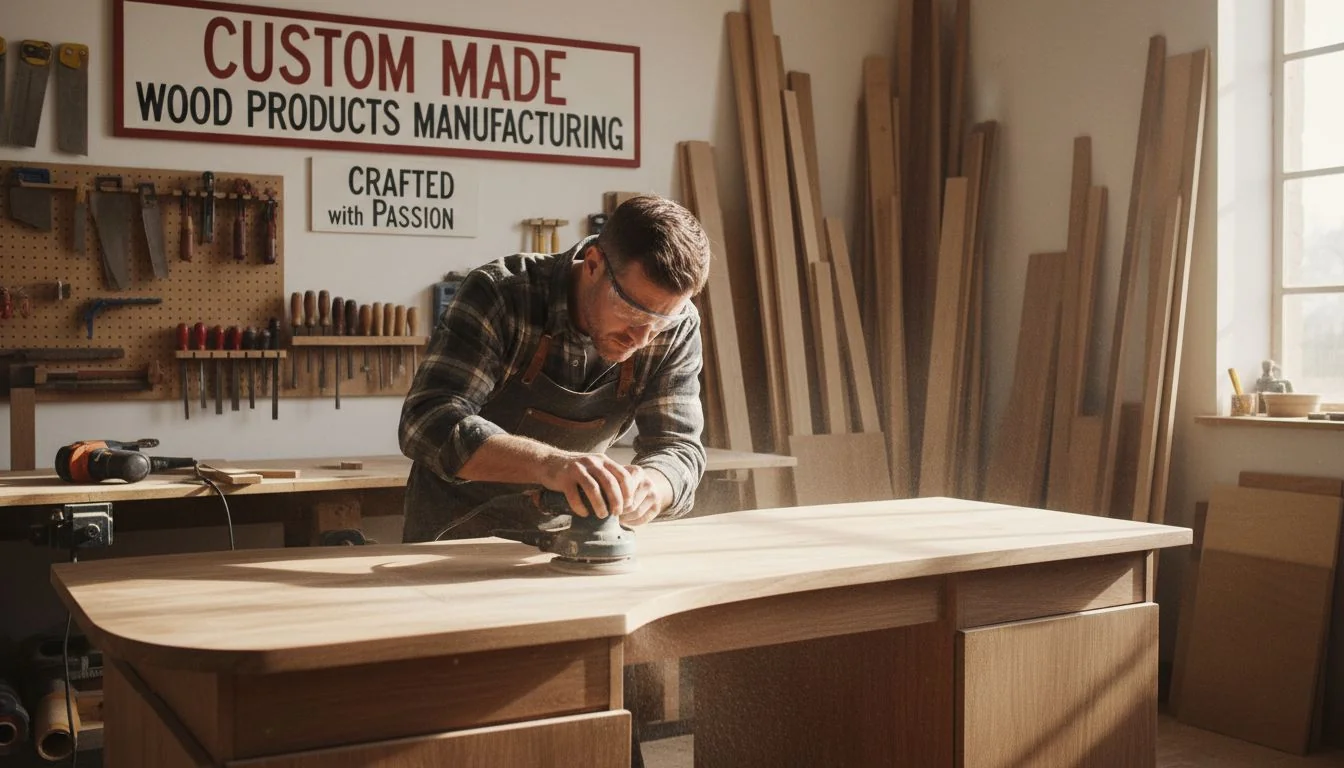
Kämpar du för att omsätta din träproduktidé till verklighet? Du oroar dig för att hitta en bra fabrik, få rätt kvalitet och inte slösa pengar. Det känns som en enorm risk.
Nyckeln till att bemästra specialtillverkning av träprodukter[^1] är en strukturerad process i fem steg: att hitta en kontrollerad tillverkare, tillhandahålla detaljerade tekniska skisser, välja rätt material för bulkproduktion, implementera ett strikt kvalitetsgarantisystem och godkänna ett perfekt förproduktionsprov innan någon masstillverkning påbörjas.
Du kanske känner mig från plastformsprutningsvärlden. Men många av principerna är desamma. Min resa började i en formfabrik och växte till ett handelsföretag, och längs vägen har jag skött otaliga tillverkningsprojekt, inklusive många i träleksaksutrymmet. De lärdomar jag lärde mig om precision, kvalitetskontroll och leverantörshantering gäller direkt för anpassade träprodukter. Jag kommer att leda dig genom den exakta processen vi använder på Moldle för att säkerställa framgång, från att hitta rätt partner till att få den perfekta slutprodukten i dina händer. Låt oss bryta ner det.
Generera anspråk
Forest Stewardship Council (FSC) grundades 1993.Sann
FSC bildades 1993 som svar på oro över global avskogning. Det ger en erkänd standard för ansvarsfull skogsförvaltning.
Alla träslag har samma krymphastighet vid torkning.Falsk
Olika träslag krymper i olika takt och i olika riktningar (tangentiellt, radiellt och longitudinellt). Detta är en kritisk faktor vid högprecisions träbearbetning.
Hur hittar du en anpassad träprodukttillverkare i Kina?
Att leta efter en pålitlig tillverkare i Kina kan kännas överväldigande. Du ser tusentals listor online, men du hör skräckhistorier om bedrägerier och dålig kvalitet, vilket gör att du tvekar att fortsätta.
För att hitta en bra tillverkare, använd en blandning av strategier. Börja på plattformar som Alibaba, men sluta inte där. Delta i branschmässor som Kantonmässan[^2] för att träffa leverantörer personligen. Viktigast av allt, utför en djupkontroll av varje potentiell partner innan du förbinder dig till något.

Att hitta rätt partner är det viktigaste första steget. Jag har sett bra design misslyckas på grund av ett dåligt fabriksval. Titta inte bara på priset. Leta efter en sann partner.
Granskning av onlineleverantörer
When you're on a site like Alibaba, look past the professional photos. Check for "Verified Supplier" badges, but dig deeper. Ask for their business license and any quality certifications like ISO 9001 or, for wood, FSC. See how long they've been in business and check their transaction history if available. A good factory will be transparent and provide these documents easily. If they hesitate, it's a red flag for me.
Kraften i ansikte mot ansikte
Om du kan, gå till en mässa. Inget slår att hålla en produkt i handen och prata med fabriksägaren direkt. Du kan omedelbart bedöma deras kvalitet och kommunikationsförmåga. Det är här jag har hittat några av mina bästa långsiktiga partners.
Inköpsagenter kontra direktkontakt
Du kan också välja mellan att gå direkt eller använda en inköpsagent. Här är en enkel uppdelning:
| Närma sig | Proffs | Nackdelar |
|---|---|---|
| Direkt till fabriken | Högre marginal, mer kontroll | Mer arbete, högre risk, språkbarriär |
| Använda en agent | Sparar tid, lägre risk, experthjälp | Lägre marginal, mindre direkt kontroll |
För nybörjare kan en agent vara ett säkert kort. För erfarna designers som Jacky kan det vara mer lönsamt att gå direkt om du är villig att hantera processen noggrant.
Generera anspråk
Alibaba is the world's largest B2B e-commerce platform.Sann
Alibaba.com grundades 1999 och är en ledande plattform för global grossisthandel som förbinder miljontals köpare och leverantörer över hela världen.
A 'Gold Supplier' på Alibaba har blivit fysiskt inspekterad av Alibaba-personal.Falsk
The 'Gold Supplier' status is a paid premium membership. While it involves a verification check of the company's existence, the 'Verified Supplier' märke indikerar en mer grundlig inspektion på plats av ett tredjepartsföretag.
Är enkla skisser tillräckligt för anpassade träprodukter?
Du har en tydlig vision för din produkt, men din enkla skiss försvinner i översättningen. Det första provet kommer tillbaka fel, slösar tid och pengar och orsakar enorm frustration.
utdragsstycke:
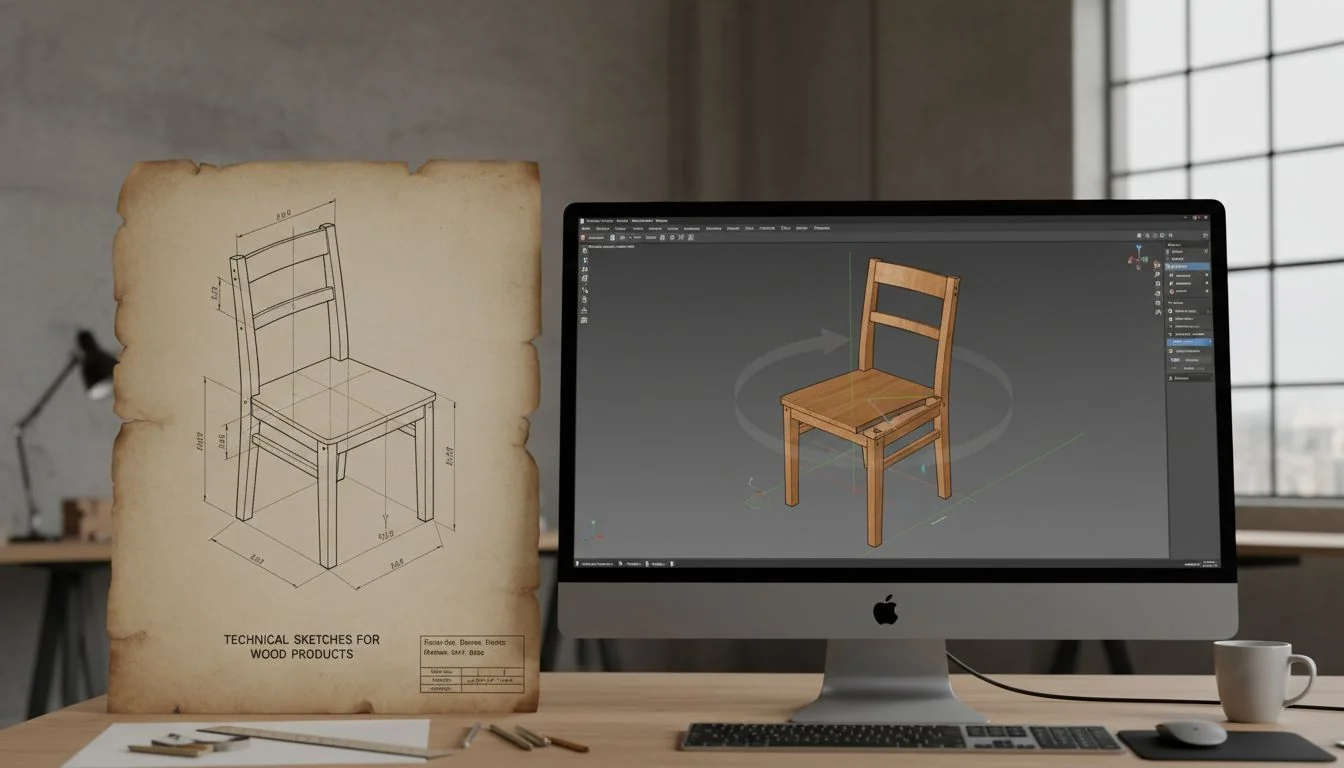
En enkel skiss är en bra utgångspunkt för diskussion. För tillverkning måste du dock tillhandahålla detaljerade tekniska ritningar eller CAD-filer. Dessa filer måste innehålla exakta mått, toleranser, materialtyper och finishspecifikationer för att förhindra missförstånd och säkerställa noggrannhet.

Enligt min erfarenhet är tvetydighet tillverkningens fiende. Ju fler detaljer du anger i förväg, desto smidigare blir processen. Detta är lika sant för trä som för en komplex plastform.
Från skiss till professionell CAD
Oroa dig inte om du inte kan skapa en perfekt CAD-fil själv. Många bra tillverkare, inklusive vårt team på Moldle, har ingenjörer som kan hjälpa till. Du tillhandahåller det första konceptet, skisser och nyckelkrav. Sedan kan en försäljningsingenjör arbeta med dig för att skapa professionella 2D- och 3D-ritningar för ditt godkännande. Detta samarbetssteg säkerställer att din designavsikt är perfekt fångad innan något trä skärs. Det är en tjänst som skiljer de stora leverantörerna från de genomsnittliga.
Nyckelinformation för din ritning
Din tekniska ritning är ett kontrakt. Det måste vara tydligt. Här är det viktigaste att inkludera:
- Kritiska dimensioner: Längd, bredd, höjd med tydliga enheter (mm eller tum).
- Toleranser: Hur mycket kan en dimension variera? För trä kan +/- 0,5 mm vara tätt, medan +/- 2 mm kan vara acceptabelt. Var specifik.
- Material: Don't just say "wood." Specify "Grade A Beech Wood, kiln-dried."
- Avsluta: Be precise. "Matte polyurethane lacquer, 2 coats" is much better than "clear coat."
- Kornriktning: För vissa estetiska produkter är det viktigt att specificera träfibrernas riktning.
Generera anspråk
CAD stands for 'Computer-Assisted Design'.Sann
CAD-programvara används av arkitekter, ingenjörer och designers för att skapa precisionsritningar och modeller i 2D och 3D.
Alla CAD-filformat är utbytbara mellan all programvara.Falsk
Även om det finns neutrala format som STEP och IGES designade för interoperabilitet, är inbyggda filformat från programvara som SolidWorks (.sldprt) eller AutoCAD (.dwg) inte alltid kompatibla med andra system utan konvertering.
Hur väljer du rätt ved för bulkproduktion?
Du valde ett vackert men dyrt trä för din produkt. Nu är din produktionskostnad för hög, och materialet är svårt att köpa konsekvent, vilket sätter hela ditt projekt i fara.
Att välja rätt trä för bulkproduktion[^3] är en balans mellan fyra nyckelfaktorer: kostnad, estetik, hållbarhet och tillverkningsbarhet. För volymbeställningar, fokusera på lättillgängliga och konsekventa träslag som bok, gummiträ eller furu. Basera alltid ditt beslut på fysiska prover, inte bara bilder.

Materialet du väljer definierar din produkt. Det påverkar utseendet, känslan, priset och hållbarheten. När jag arbetade på en serie träleksaker tillbringade vi veckor med att testa olika träslag för att hitta den perfekta balansen mellan säkerhet, hållbarhet och kostnad.
Common Woods för anpassade produkter
Valen kan vara förvirrande. Här är en enkel tabell som vägleder ditt beslut om vanliga anpassade produkter.
| Träsort | Kosta | Hårdhet/hållbarhet | Bäst för… |
|---|---|---|---|
| Tall | Låg | Mjuk | Rustika möbler, lådor, föremål som ska målas |
| Bok | Medium | Hård | Barnleksaker, köksredskap, hållbara delar |
| Gummiträ | Låg-Medium | Medium-Hård | Miljövänliga möbler, skärbrädor |
| Ek | Hög | Väldigt hårt | Premiummöbler, golv, exklusiva föremål |
| Valnöt | Mycket hög | Hård | Prydnadsföremål, lyxvaror, faner |
| MDF/plywood | Mycket låg | Konstruerad | Målade föremål, skåpsryggar, konstruktionsdelar |
Tänk på hållbarhet
För många marknader, särskilt i Europa och Nordamerika, är hållbarhet inte bara ett modeord; det är ett krav. Fråga din leverantör om de kan tillhandahålla FSC (Forest Stewardship Council) certifierat virke. Detta bevisar att materialet kommer från en ansvarsfullt skött skog. Det kan vara ett kraftfullt försäljningsargument för ditt varumärke.
Generera anspråk
Janka hårdhetstest mäter träets mjukhet.Falsk
Janka hårdhetstest mäter motståndet hos ett träprov mot bucklor och slitage. Den mäter kraften som krävs för att bädda in en 11,28 mm stålkula halvvägs i träet. En högre siffra indikerar hårdare trä.
Gummiträ anses vara ett miljövänligt material.Sann
Gummiträ skördas från gummiträd som har avslutat sin latexproducerande cykel. Att använda det för möbler och andra produkter använder trä som annars skulle kunna förstöras.
Hur kan du garantera kvalitet vid specialtillverkning av trä?
Du är tusentals mil bort från fabriken och känner dig maktlös. Du kan bara hoppas att de bygger din produkt på rätt sätt, men hopp är inte en tillverkningsstrategi.
Du garanterar kvalitet med ett system, inte hopp. Detta innebär att skapa en tydlig checklista för kvalitetskontroll[^4], approving a "golden sample," and scheduling inspections during and after production. A Final Random Inspection (FRI) before shipment is non-negotiable and protects your investment.

Kvalitet är inget man inspekterar i slutet; det är något man bygger in i processen från början. Min bakgrund inom precisionsformar lärde mig att om du inte definierar standarden kan du inte genomdriva den. Det är här mitt teams erfarna tekniker verkligen lyser.
Definiera din kvalitetsstandard
Innan produktionen ska du och din leverantör komma överens om vad som är acceptabelt. Skapa en detaljerad QC-checklista.
- Kosmetiska defekter: What size of scratch, dent, or knot is acceptable? Be specific (e.g., "No knots larger than 5mm on visible surfaces").
- Strukturell integritet: Fogarna måste vara säkra utan mellanrum. Produkten får inte vicka.
- Färg & Avsluta: Färgen måste matcha ett godkänt Pantone-nummer eller fysiskt prov. Finishen måste vara jämn, utan dropp eller bubblor.
- Mått: Nyckelmått måste ligga inom de toleranser som du definierat i din tekniska ritning.
Inspektionsprocessen
Jag använder en process i tre steg:
- Förproduktion: Du godkänner finalen förproduktionsprov[^5]. This is your "golden sample" that the factory must match.
- Kvalitetskontroll under process (IPQC): Någon kontrollerar produkterna medan de tillverkas. Detta fångar problem tidigt innan tusentals dåliga enheter produceras.
- Slutlig slumpmässig inspektion (FRI): Detta är ditt sista försvar. Innan du betalar ditt slutbelopp kontrollerar en inspektör en slumpmässig del av din försändelse. De använder din QC-checklista för att godkänna eller misslyckas med partiet.
Generera anspråk
AQL stands for 'Acceptable Quality Limit'.Sann
AQL är en statistisk metod som används för kvalitetskontrollinspektioner. Den definierar det maximala antalet defekta enheter som kan anses vara acceptabla under ett slumpmässigt urval av ett produktionsparti.
AQL 2.5 innebär att varje batch med mer än 2,5 % defekter kommer att avvisas.Falsk
AQL 2.5 är en standard som innebär att köparen är villig att acceptera partier med upp till 2,5 % defekter i genomsnitt på lång sikt. En specifik batch kan avvisas även om den har färre än 2,5 % defekter, beroende på provstorleken och antalet upptäckta defekter.
Varför är provtagningsstadiet så kritiskt för anpassade träprodukter?
Du är frestad att hoppa över provtagningen för att spara några hundra dollar och ett par veckor. Men detta är en enorm chansning som kan leda till en hel sändning av oanvändbara produkter.
Provtagning är din enda chans att fysiskt hålla och testa din produkt innan du bestämmer dig för en stor beställning. Den validerar tillverkarens förmåga att uppfylla dina standarder för material, konstruktion, dimensioner och finish. Att godkänna ett perfekt prov är den viktigaste milstolpen före massproduktion.

Jag hoppar aldrig, aldrig över provtagningsstadiet. Det är den enskilt bästa investeringen du kan göra i ditt projekt. Ett prov är inte bara en produkt; det är ett test av din leverantörs förståelse, deras maskineri, deras material och deras uppmärksamhet på detaljer. Det är där man fångar missförstånd innan de blir femsiffriga misstag. Våra försäljningsingenjörer arbetar nära kunderna under detta skede för att säkerställa att deras feedback förstås och implementeras perfekt.
Typer av prover
Det finns några olika exempel du kan stöta på:
- Mock-up prov: En grov version, kanske inte i slutmaterialet, bara för att kontrollera storlek, form och grundfunktion.
- Förproduktionsprov (PPS): This is the most important one. It must be made with the final materials, on the final machinery, with the final finish. This is the "golden sample" that you approve for mass production.
- Produktionsexempel: Ett prov togs från den faktiska massproduktionskörningen för att kontrollera överensstämmelse mot PPS.
Vad du ska kontrollera på ditt prov
När din PPS kommer, var metodisk. Använd en checklista.
- Mät allt: Använd digitala bromsok för att kontrollera mått mot din ritning.
- Kontrollera materialet: Ser det ut och känns som det trä du angav?
- Testa finishen: Är det slätt? Är färgen korrekt? Är det hållbart?
- Testa styrkan: Försök att dra isär lederna. Känns det fast?
- Jämför med ritning: Lägg den sida vid sida med din tekniska ritning. Stämmer allt?
Generera anspråk
Färgen på ett träprov kan ändras med tiden.Sann
Trä är ett naturligt material och dess färg kan ändras när det utsätts för UV-ljus och syre. Ljusare träslag kan mörkna, och mörkare träslag kan ljusna med tiden. Detta är en viktig faktor för produktens konsistens.
Ett förproduktionsprov är vanligtvis kostnadsfritt.Falsk
Tillverkare tar nästan alltid betalt för förproduktionsprover. Kostnaden täcker material och arbete för att sätta upp och skapa en enda enhet. Denna kostnad krediteras dock ofta tillbaka till dig om du fortsätter med en massbeställning.
Slutsats
Framgång med anpassade träprodukter kommer från en tydlig, repeterbar process. Genom att granska partners, tillhandahålla detaljer och kontrollera kvaliteten i varje steg, kan du med säkerhet få liv i dina designs.