
ຄູ່ມືຄົບຖ້ວນສົມບູນຂອງເຄື່ອງຫຼິ້ນທີ່ເຮັດດ້ວຍໄມ້: ວິທີການເລືອກທີ່ເຫມາະສົມ?
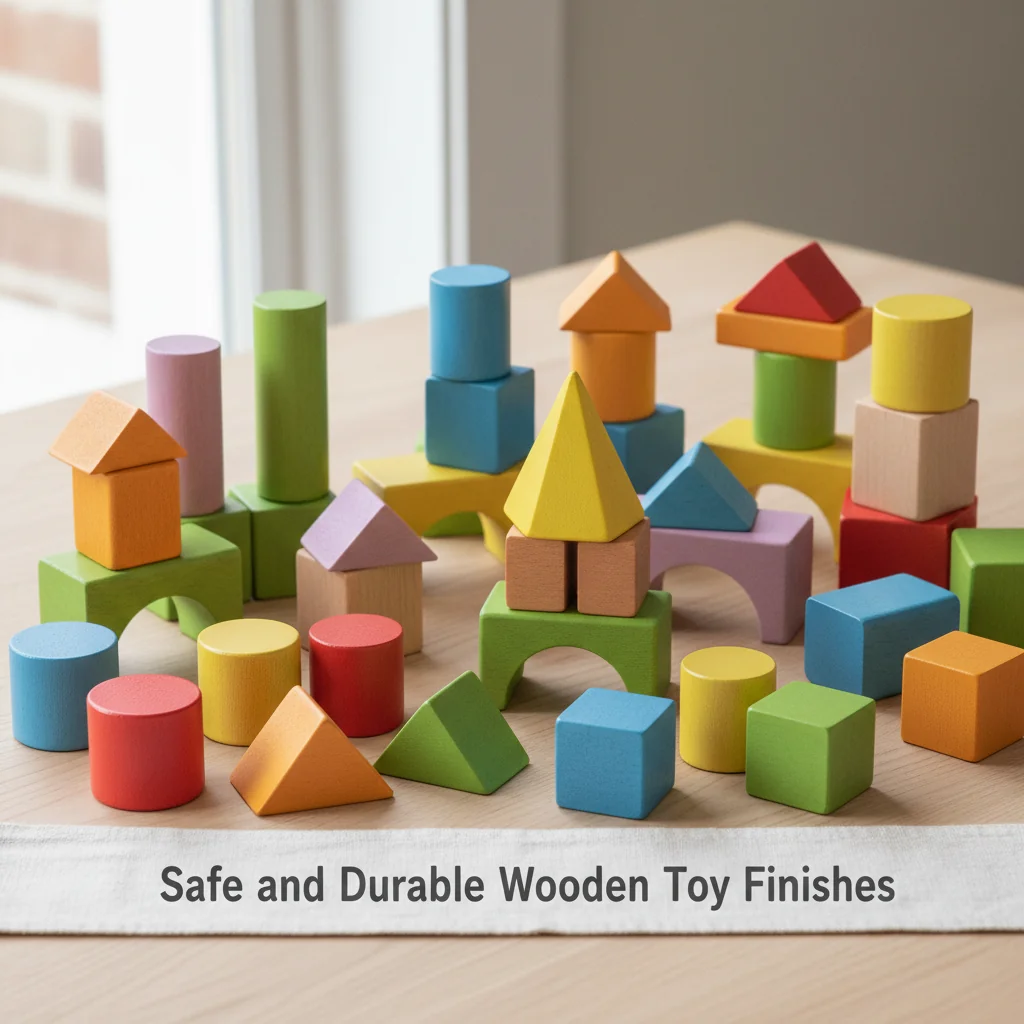
ການເລືອກສໍາເລັດຮູບທີ່ບໍ່ຖືກຕ້ອງສໍາລັບເຄື່ອງຫຼິ້ນໄມ້ສາມາດເຮັດໃຫ້ເກີດບັນຫາຄວາມປອດໄພແລະຄວາມທົນທານທີ່ບໍ່ດີ. ນີ້ສາມາດທໍາລາຍຊື່ສຽງຂອງຜະລິດຕະພັນຂອງທ່ານ. ການເຂົ້າໃຈການສໍາເລັດຮູບຫຼັກເຮັດໃຫ້ເຄື່ອງຫຼີ້ນທີ່ປອດໄພ, ສວຍງາມ, ແລະປະຫຍັດຄ່າໃຊ້ຈ່າຍ.
ການເລືອກເຄື່ອງຫຼິ້ນທີ່ເຮັດດ້ວຍໄມ້ທີ່ຖືກຕ້ອງໝາຍເຖິງການໃຫ້ຄວາມສຳຄັນກັບຄວາມປອດໄພ ແລະ ຄວາມທົນທານ. ເລືອກ ບໍ່ເປັນພິດ[^1], ທາງເລືອກທີ່ປອດໄພສຳລັບເດັກນ້ອຍເຊັ່ນ: ສີນ້ຳ, shellac, ຫຼືນ້ຳມັນທຳມະຊາດທີ່ປະຕິບັດຕາມມາດຕະຖານເຊັ່ນ ASTM F963. ການເລືອກຂອງທ່ານຍັງຂຶ້ນກັບລັກສະນະທີ່ຕ້ອງການ, ຂະບວນການຄໍາຮ້ອງສະຫມັກ, ແລະຄ່າໃຊ້ຈ່າຍໃນການຜະລິດໂດຍລວມ.
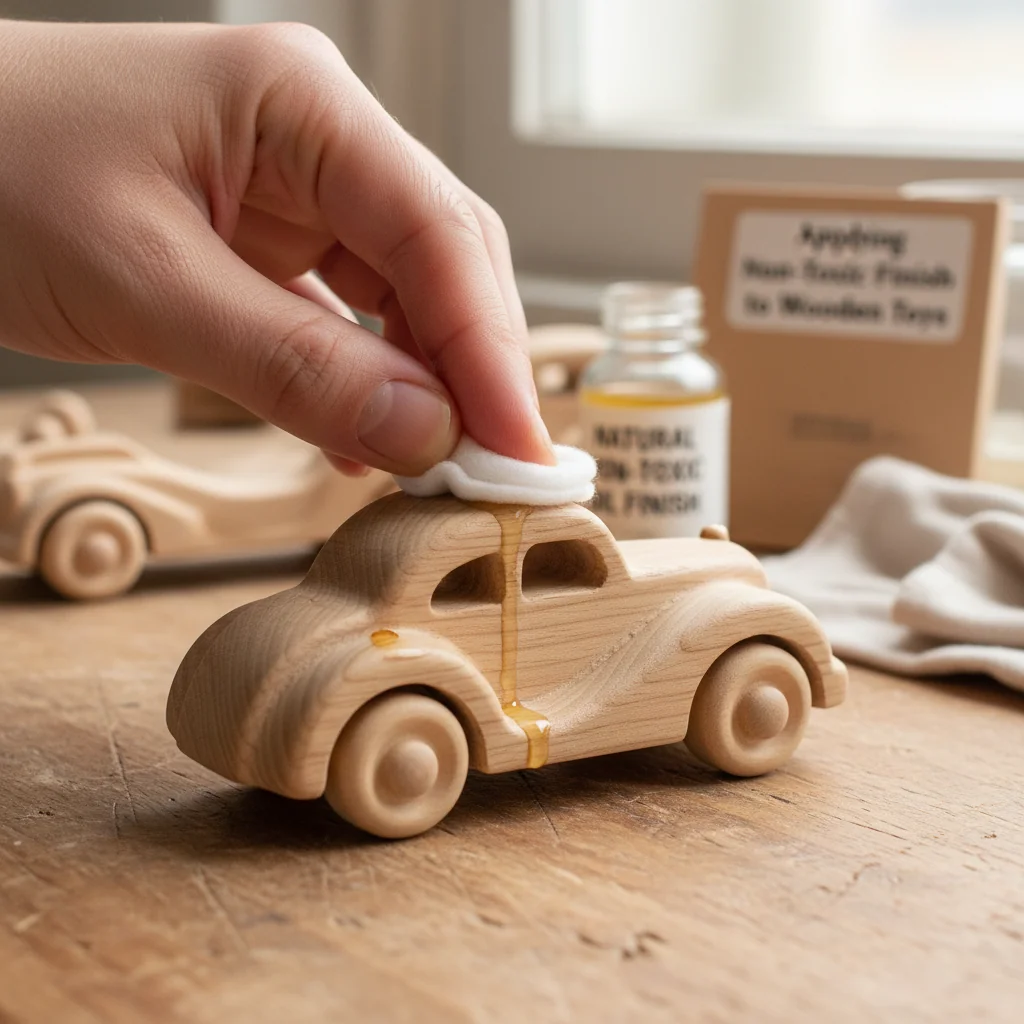
ເຈົ້າອາດຈະສົງໄສວ່າເປັນຫຍັງຜູ້ຊາຍຄືຂ້ອຍ, ຜູ້ທີ່ໄດ້ໃຊ້ເວລາຊີວິດຂອງລາວໃນການອອກແບບແລະການຜະລິດ mold, ເວົ້າກ່ຽວກັບເຄື່ອງຫຼີ້ນໄມ້. ມັນເປັນຄໍາຖາມທີ່ຍຸດຕິທໍາ. ບໍ່ດົນມານີ້, ຂ້າພະເຈົ້າໄດ້ຊ່ວຍລູກຄ້າໃນອຸດສາຫະກໍາ toy, ແລະມັນເປັນການເປີດຕາທີ່ແທ້ຈິງ. ຂ້າພະເຈົ້າໄດ້ເຫັນວິທີການຈໍານວນຫຼາຍຈາກໂລກຂອງພວກເຮົາຂອງພາດສະຕິກແລະແມ່ພິມນໍາໃຊ້ໂດຍກົງກັບເຄື່ອງຫັດຖະກໍາພື້ນເມືອງເຊັ່ນ: ໄມ້. ມັນໄດ້ເຕືອນຂ້າພະເຈົ້າວ່າການເຂົ້າໃຈຮອບວຽນການຜະລິດຢ່າງເຕັມທີ່, ຈາກວັດຖຸດິບຈົນເຖິງການກວດກາຂັ້ນສຸດທ້າຍ, ແມ່ນກຸນແຈສໍາຄັນໃນການຄຸ້ມຄອງຂະບວນການຜະລິດໃດໆ. ບໍ່ວ່າທ່ານຈະປັ້ນຊິ້ນສ່ວນພາດສະຕິກຫຼືແກະສະຫຼັກໄມ້, ພື້ນຖານຂອງຄຸນນະພາບ, ຄວາມປອດໄພ, ແລະປະຫຍັດຄ່າໃຊ້ຈ່າຍແມ່ນຄືກັນ. ໃຫ້ສໍາຫຼວດຂະບວນການນີ້ຮ່ວມກັນ, ແລະຂ້າພະເຈົ້າຄິດວ່າທ່ານຈະເຫັນຂະຫນານທີ່ຈະແຈ້ງທີ່ຫນ້າປະຫລາດໃຈ.
ທຸກໆສີທີ່ມີນ້ໍາແມ່ນອັດຕະໂນມັດບໍ່ມີສານພິດແລະປອດໄພສໍາລັບເຄື່ອງຫຼິ້ນຂອງເດັກນ້ອຍ.ບໍ່ຖືກຕ້ອງ
ໃນຂະນະທີ່ສີທີ່ມີນ້ໍາຫຼາຍແມ່ນປອດໄພກວ່າສີທີ່ມີສານລະລາຍ, ບໍ່ແມ່ນທັງຫມົດແມ່ນໄດ້ຮັບການຢັ້ງຢືນວ່າບໍ່ມີສານພິດ. ທ່ານຕ້ອງກວດສອບວ່າສີປະຕິບັດຕາມມາດຕະຖານຄວາມປອດໄພຂອງຫຼິ້ນສະເພາະເຊັ່ນ EN-71 ຫຼື ASTM F963.
Beeswax ເປັນເຄື່ອງຫຼິ້ນທີ່ຍອດນິຍົມ, ບໍ່ມີສານພິດສໍາລັບເຄື່ອງຫຼິ້ນທີ່ເຮັດດ້ວຍໄມ້, ປອດໄພສໍາລັບເດັກນ້ອຍທີ່ຈະ chew ໄດ້.ຄວາມຈິງ
Beeswax ເປັນຂີ້ເຜີ້ງທໍາມະຊາດ, ປອດໄພອາຫານ. ເມື່ອປະສົມກັບນ້ຳມັນເກຣດອາຫານເຊັ່ນ: ໝາກພ້າວ ຫຼືນ້ຳມັນໝາກກອກ, ມັນຈະສ້າງຄວາມທົນທານ, ບໍ່ມີສານພິດ, ປອດໄພດີເລີດສຳລັບເດັກນ້ອຍທີ່ເກີດແຂ້ວ.
ຂະບວນການຜະລິດຂອງຫຼິ້ນໄມ້ມີສ່ວນຮ່ວມແນວໃດ?
ທ່ານຄິດວ່າທ່ານຮູ້ຈັກຂະບວນການຜະລິດ, ແຕ່ບັນຫາທີ່ເຊື່ອງໄວ້ແມ່ນເຮັດໃຫ້ເຈົ້າເສຍເວລາແລະເງິນ. ແຕ່ລະຂັ້ນຕອນທີ່ເບິ່ງຂ້າມຈະເພີ່ມຄວາມລ່າຊ້າ ແລະຂໍ້ບົກພ່ອງ, ເຮັດໃຫ້ທີມງານ ແລະລູກຄ້າຂອງທ່ານອຸກອັ່ງ.
ໄດ້ ຂະບວນການຜະລິດ toy ໄມ້[^2] ມີຫຼາຍຂັ້ນຕອນທີ່ສໍາຄັນ. ມັນເລີ່ມຕົ້ນດ້ວຍການຄັດເລືອກວັດສະດຸ, ຫຼັງຈາກນັ້ນການຕັດແລະຮູບຮ່າງ. ຫຼັງຈາກນັ້ນ, ການຂັດດິນຊາຍ, ສໍາເລັດຮູບ, ການປະກອບ, ແລະການກວດກາສຸດທ້າຍ. ແຕ່ລະຂັ້ນຕອນແມ່ນສໍາຄັນສໍາລັບຄວາມປອດໄພແລະຄຸນນະພາບຂອງຜະລິດຕະພັນສຸດທ້າຍ.
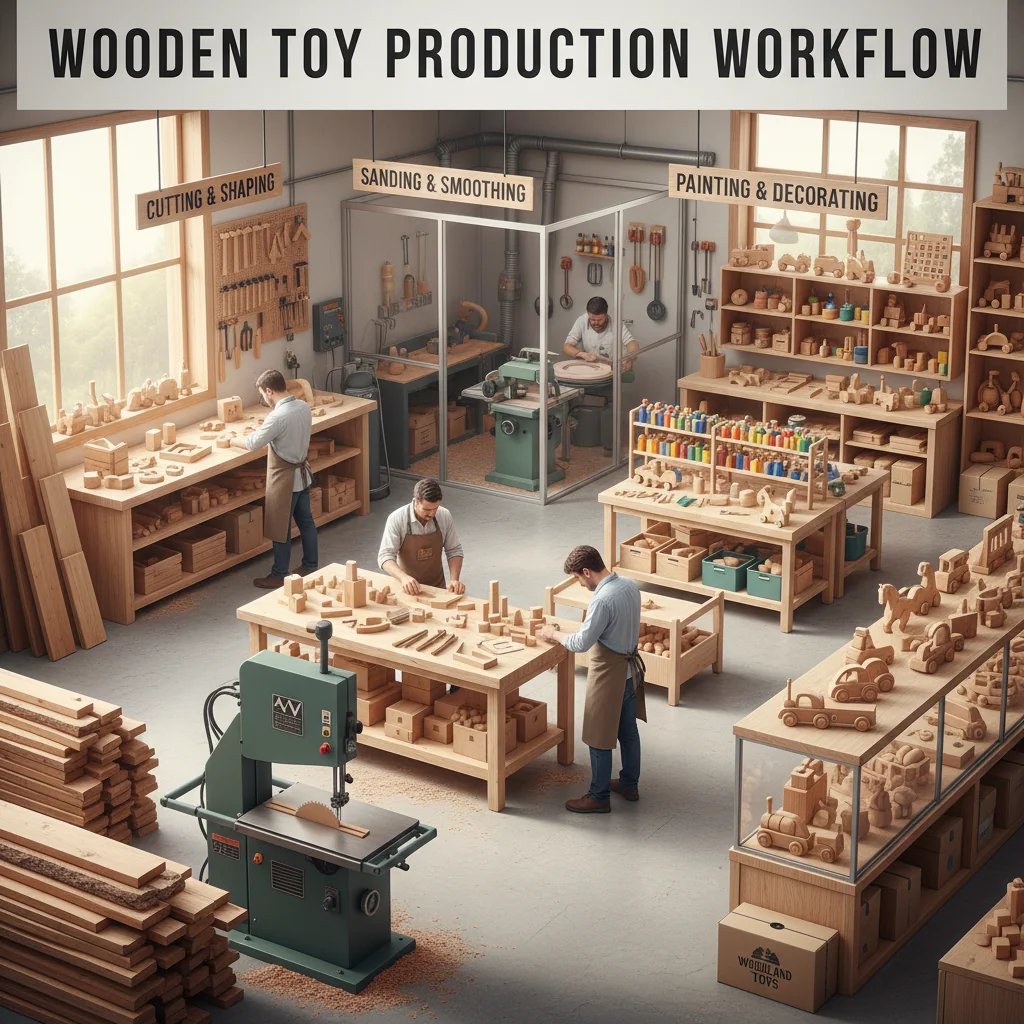
When I first walked through my client's wooden toy factory, it felt both different and familiar. The smell of sawdust replaced the hum of injection molding machines, but the logic was the same. It's all about transforming a raw material into a finished product efficiently. Breaking down the process helps you spot where things can be improved. This is true for making a toy car or a complex electronic enclosure. A flaw in an early step will always cause bigger problems down the line. Let's look at the main stages.
1. ການຄັດເລືອກວັດຖຸດິບ
Everything starts with the right material. In wooden toys, this means choosing woods that are durable and don't splinter easily. Hardwoods like beech, maple, or birch are excellent choices. In my world, this is like choosing between ABS, polycarbonate, or nylon. The material defines the product's performance.
| ປະເພດໄມ້ | Key Characteristics | Best Use Case |
|---|---|---|
| ບີກ | Hard, strong, splinter-resistant | Blocks, cars, figures |
| ໝາກເຜັດ | Very hard, smooth grain | Teething toys, rattles |
| ແປກ | Soft, lightweight, affordable | Larger items, playsets |
2. ຮູບຮ່າງ ແລະເຄື່ອງຈັກ
Once the wood is selected, it needs to be cut and shaped. This is often done with CNC routers, which is something I know a lot about from making molds. The precision of CNC ensures every piece is identical. This is just like ເຄື່ອງຈັກ CNC[^3] an aluminum mold. The goal is accuracy and repeatability.
3. ການຂັດແລະການສໍາເລັດຮູບ
This step is critical for safety and appearance. No child's toy can have sharp edges or a rough surface. The wood is sanded multiple times with finer and finer grits. This prepares it for the finish, which we discussed earlier. This is very similar to polishing a mold cavity to achieve a specific surface finish on a plastic part.
Softer woods like pine are always cheaper and therefore better for cost-effective toy production.ບໍ່ຖືກຕ້ອງ
While pine is often cheaper per board, it is also more prone to denting and splintering. This can lead to higher defect rates and more intensive sanding, potentially increasing overall production costs compared to a more durable hardwood.
The moisture content of wood must be controlled before production begins.ຄວາມຈິງ
Wood with high moisture content can warp, crack, or shrink after it has been manufactured into a toy. Kiln-drying wood to a stable moisture level (typically 6-8%) is a critical first step for quality manufacturing.
ເຈົ້າສາມາດກວດກາເຄື່ອງຫຼິ້ນທີ່ເຮັດດ້ວຍໄມ້ໄດ້ແນວໃດເພື່ອໃຫ້ມີຄຸນນະພາບທີ່ບໍ່ມີຂໍ້ບົກພ່ອງ?
A single defective toy can lead to a product recall, damaging your brand's reputation. The fear of missing a critical flaw can keep you up at night, worrying about safety.
Mastering wooden toy inspection needs a multi-point checklist. It should cover material defects, structural integrity, and finish safety, like EN-71 or ASTM F963[^4] standards. This systematic approach minimizes risks and guarantees compliance with international safety standards.
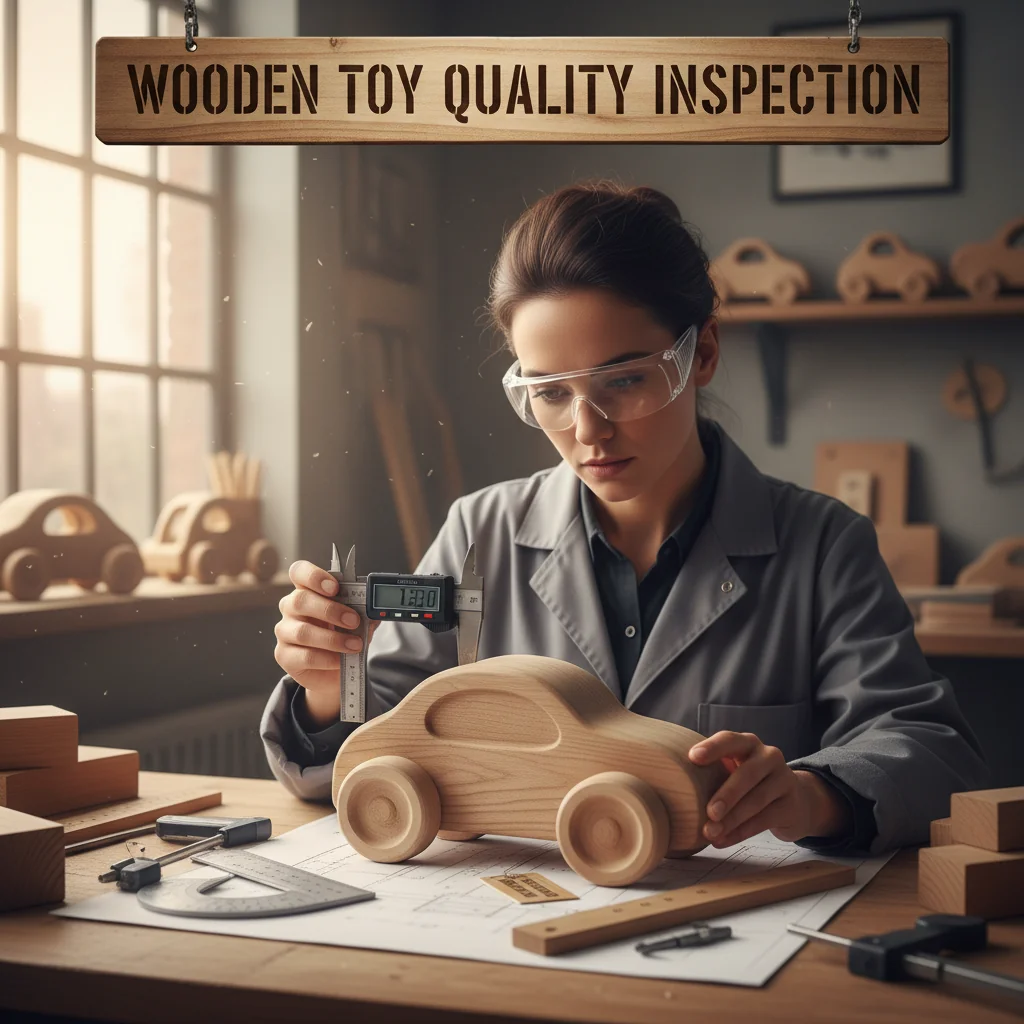
I've always said that you can't inspect quality into a product, you have to build it in. But inspection is the final gatekeeper that protects your customer and your company. For toys, this is even more important because children's safety is on the line. When I worked with my toy client, we developed a rigorous inspection protocol that borrowed heavily from the quality control systems we use for molded parts. It’s not just about looking for cracks; it’s a systematic process to verify every aspect of the toy against a set standard.
1. ການປະຕິບັດຕາມມາດຕະຖານຄວາມປອດໄພ
This is the most important part. The finish and materials cannot contain harmful chemicals like lead or phthalates. We sent samples of the finished toys to a lab to test against standards like ASTM F963 in the US and EN-71 in Europe. We also performed physical tests. For example, we used special gauges to ensure no small parts could detach and become a choking hazard.
2. ການກວດສອບຂະຫນາດແລະຄວາມງາມ
Just like with plastic parts, every piece of the toy has to be the right size and shape. If the axle for a toy car is too thick, the wheel won't spin. We used calipers to check critical dimensions. We also checked for aesthetic issues like inconsistent paint color or wood grain defects.
3. ການທົດສອບຄວາມທົນທານ
Kids are not gentle with their toys. We simulated this by performing drop tests, impact tests, and pull tests on parts like wheels and heads. This is similar to the stress testing we do on plastic parts to ensure they can withstand real-world use.
Here is a simple checklist we started with:
| ຈຸດກວດກາ | Standard / Method | ຈຸດປະສົງ |
|---|---|---|
| Chemicals | Lab test (ASTM F963) | Check for lead, heavy metals |
| Small Parts | Small Parts Cylinder | Prevent choking hazards |
| Sharp Edges | Sharp Edge Tester | Prevent cuts and scrapes |
| ຄວາມທົນທານ | Drop Test (from 3 ft) | Ensure structural integrity |
The EN-71 safety standard is recognized and accepted worldwide for all toys.ບໍ່ຖືກຕ້ອງ
EN-71 is the European standard. Other regions have their own mandatory standards, such as ASTM F963 in the United States, SOR/2011-17 in Canada, and the AS/NZS 8124 in Australia/New Zealand. Manufacturers must comply with the standards of the specific region where the toy will be sold.
A 'small parts cylinder' is a standardized tool used in toy safety testing to simulate a child's throat.ຄວາມຈິງ
If a toy or any piece that breaks off a toy fits entirely within this cylinder, it is deemed a choking hazard for children under three years old.
ແມ່ນຫຍັງຄືວິທີທີ່ສະຫຼາດທີ່ສຸດເພື່ອຫຼຸດຜ່ອນຄ່າໃຊ້ຈ່າຍໃນການຜະລິດເຄື່ອງຫຼິ້ນໄມ້?
Rising material and labor costs are squeezing your profit margins on every project. You are forced to either raise prices or accept lower profits, which both hurt your business.
To reduce wooden toy manufacturing costs, focus on optimizing material usage and streamlining the production workflow. Designing for manufacturability (DFM) and bulk purchasing raw materials can also create significant savings.
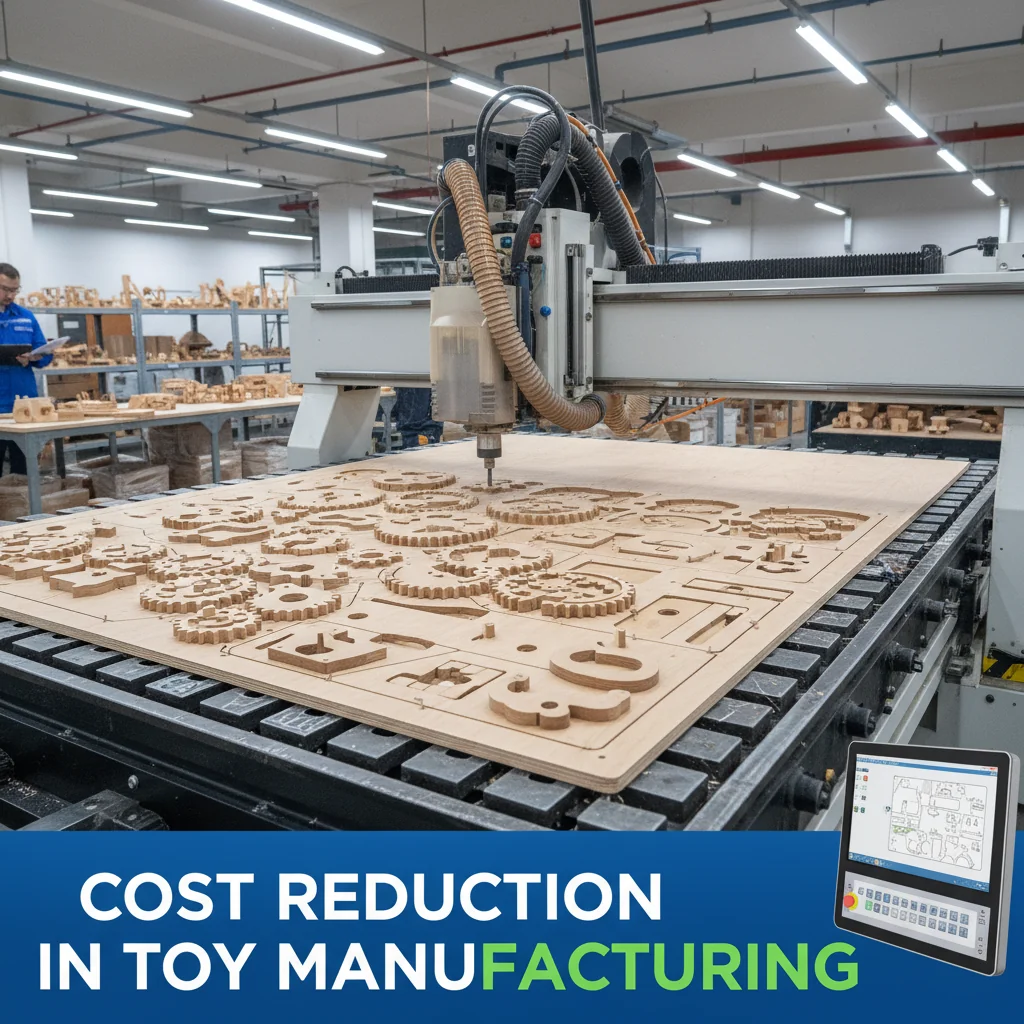
Every business owner I know, including myself, is always looking for ways to reduce costs without sacrificing quality. This was a major goal for my toy client. The principles for cost reduction[^5] are universal. It doesn't matter if you're making toys or high-tech components. It all comes down to being smarter with your design, your materials, and your process. I shared some of the key strategies I've learned over decades in the molding industry, and they worked just as well for wood.
1. ການອອກແບບເພື່ອການຜະລິດ (DFM)
This is where designers like you, Jacky, can make the biggest impact. Before a single piece of wood is cut, you can design the product to be made efficiently. I remember we reviewed a toy truck that had 15 separate wooden pieces. By slightly changing the design, we combined several parts and reduced the count to 9. This meant less cutting, less sanding, and less assembly time, which directly translated to lower costs.
2. ການເພີ່ມປະສິດທິພາບວັດສະດຸ
Wood is sold by the board, just like steel or aluminum for molds. The goal is to get as many parts as possible from each board. We used software to plan the layout of the parts on the wood before cutting. This is called nesting. It minimizes waste material. This is the same thinking we use when designing a mold's runner system to reduce plastic waste.
3. ອັດຕະໂນມັດຂະບວນການ
Some tasks are repetitive and time-consuming. For the toy factory, sanding was a huge labor cost. We looked into automated sanding machines for flat parts. While it was an initial investment, the long-term savings in labor were huge. Using CNC machines for cutting is another form of automation that reduces manual labor and improves consistency.
| Cost Reduction Method | Impact on Quality | Implementation Effort |
|---|---|---|
| DFM | Can improve quality | Low to Medium |
| Material Nesting | No impact | Low (requires software) |
| Process Automation | Improves consistency | High (requires investment) |
Buying the cheapest wood available is the most effective way to lower material costs.ບໍ່ຖືກຕ້ອງ
The cheapest wood is often low-grade with knots, cracks, or a tendency to warp. This leads to a higher defect rate and more waste, which can ultimately increase the total cost per finished toy.
Simplifying a product's design by reducing its part count is a core principle of Design for Manufacturability (DFM).ຄວາມຈິງ
Fewer parts mean fewer manufacturing steps, less assembly time, lower tooling complexity, and fewer potential points of failure. This is one of the most effective strategies for reducing production costs.
ສະຫຼຸບ
Mastering production, from finishes to cost control, is key. These principles work across industries, helping you deliver quality products and grow your business, whether in mold making or woodworking.
ເອກະສານອ້າງອີງ
[^1]: Exploring non-toxic finishes is crucial for ensuring children's safety and compliance with health standards.
[^2]: Learning about the production process can help improve quality and efficiency in toy manufacturing.
[^3]: Understanding CNC machining can enhance precision and efficiency in the manufacturing process.
[^4]: Understanding ASTM F963 helps manufacturers ensure their toys meet essential safety standards for children's products.
[^5]: Exploring cost reduction strategies can help manufacturers maintain profitability without sacrificing quality.
